Why Kay’Ana Adams Was Fired for a Tattoo: Her Story Revealed
Tattoos often spark debates about personal expression and professionalism. For Kay’Ana Adams, a firefighter in Alabama, her tattoo became the center of a workplace controversy that ultimately cost her job. Her story raises critical questions about individuality and rigid workplace policies. Find out why Kay’Ana Adams got fired for a tattoo.
The Tattoo That Sparked a Controversy
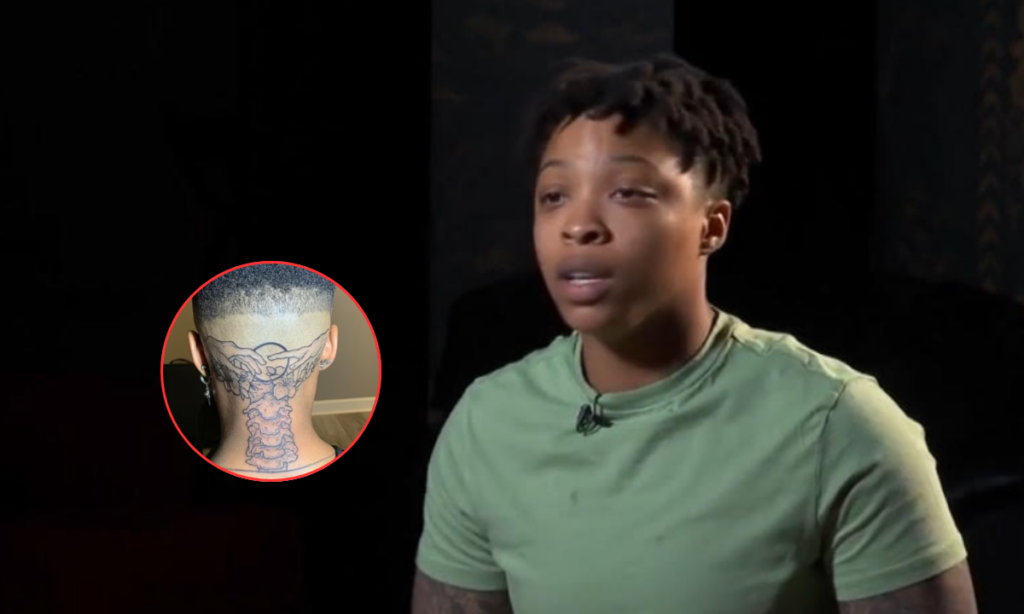
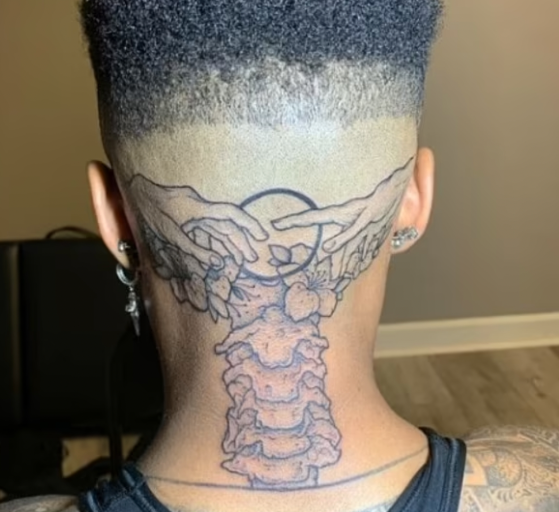
Kay’Ana Adams, a firefighter with the Mobile Fire Department, faced termination just nine months into her job in 2023. The issue? A tattoo on the back of her head that she got in June 2022. According to Kay’Ana, the department’s policy at the time only prohibited tattoos on the face or neck. Confident she was in compliance, she believed her tattoo, which could be covered by her hair, adhered to the rules.
“I figured mine could be done in decency and order. I could also, based on the rules, cover it up,” she shared in an interview with WKRG.
However, her tattoo became the subject of a complaint, prompting an investigation. To comply, Kay’Ana grew out her hair as instructed by the department, but the complaints didn’t stop. Her hair texture and growth rate became the next point of contention, highlighting the unique challenges faced by individuals with diverse hair types in workplace settings.
A Sudden Policy Change and Termination
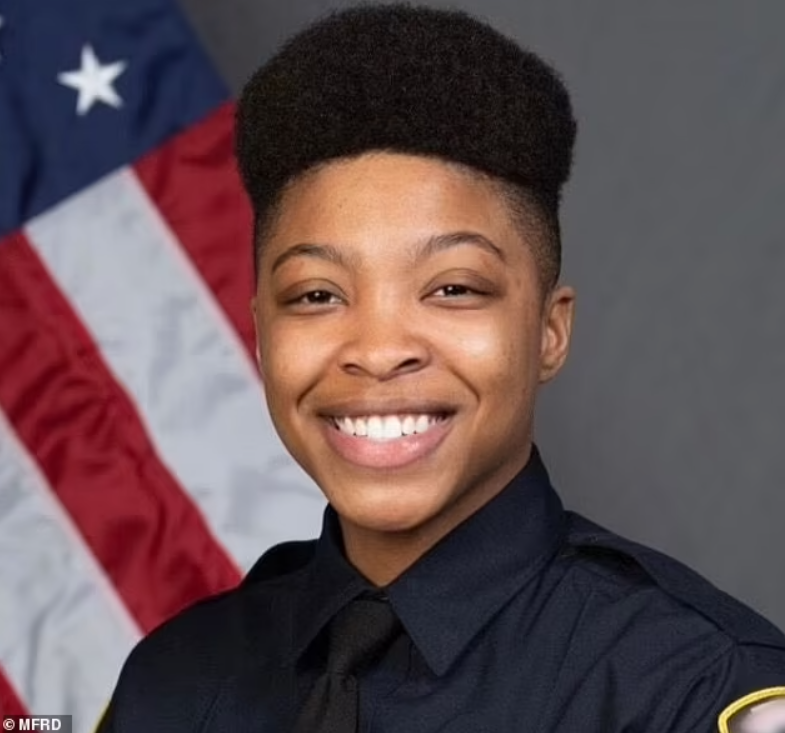
In a dramatic twist, the Mobile Fire Department updated its tattoo policy, banning head tattoos altogether just months after Kay’Ana got hers. Despite her efforts to comply with both the old and new policies, her job was still at risk.
On November 10, 2023, a captain took a photo of her covered tattoo. Hours later, she was fired.
“Definitely blindsided,” Kay’Ana told Local12. “I never thought it would come to this, especially considering I was in compliance.”
Her dismissal sparked conversations about fairness in workplace policies and how personal expression can clash with professional standards. Public Safety Director Lawrence Battiste later confirmed her termination, citing a failure to meet departmental standards.
The Meaning Behind Her Tattoo
For Kay’Ana, her tattoo was more than just ink; it carried a deep, personal meaning. Diagnosed with scoliosis, she saw the tattoo as a symbol of resilience and perseverance.
“My tattoos are an extension of who I am as a person,” she explained. “I got the tattoo to tell myself and others that you can still achieve certain goals regardless of the obstacles in front of you.”
Scoliosis is a condition where the spine curves abnormally, often leading to physical challenges. Despite her diagnosis, Kay’Ana became a firefighter, a testament to her determination and strength.
Was the Tattoo the Real Reason?
Kay’Ana believes her termination was not solely about the tattoo. She had previously raised concerns about workplace issues, including sexist comments and inappropriate behavior during training sessions. In one instance, she called out colleagues for joking about tying nooses, a comment she found deeply offensive.
Her outspoken nature may have made her a target, leading to escalating tensions with the department. Two supportive captains, Jason Craig and Rodrick Shoots, faced repercussions for standing by her. Craig was suspended for 30 days, and Shoots was fired for allegedly obstructing orders.
Battiste claimed the actions against the captains were due to insubordination and policy violations. However, the timing raised questions about whether the department was addressing legitimate concerns or retaliating against employees who challenged its practices.
Broader Implications
Kay’Ana’s case highlights several concerning patterns:
Policy Timing: The department changed its tattoo policy shortly after she got her tattoo, raising questions about whether the policy change specifically targeted her or was merely coincidental.
Hair Discrimination: When Kay’Ana attempted to comply by growing her hair to cover the tattoo, her hair texture and growth rate became points of criticism—an issue that disproportionately affects Black women and other individuals with textured hair.
Retaliation Concerns: The firing of Captain Shoots and suspension of Captain Craig for supporting Kay’Ana suggests a workplace culture that may punish those who advocate for employees facing discrimination.
Complaint-Driven Enforcement: The fact that Kay’Ana’s tattoo only became an issue after someone complained raises questions about selective enforcement of policies.
What Does Kay’Ana’s Story Teach Us?
Kay’Ana’s experience sheds light on the ongoing tension between individuality and workplace conformity. Her case raises important questions: Should workplaces adapt to embrace diversity and personal expression, or should traditional standards take precedence?
Her story is a reminder that workplace policies should strike a balance between professionalism and inclusivity. It challenges us to think critically about how rules and biases impact individuals, especially those who dare to stand out.
Moving Forward
Kay’Ana’s situation exemplifies the complex intersection of personal expression, workplace policies, and potential discrimination. Her tattoo—a symbol of overcoming physical challenges to achieve her dream of becoming a firefighter—ultimately became the stated reason for ending that dream.
The broader conversation her case sparks extends beyond tattoos to fundamental questions about:
- How workplace policies should evolve to accommodate diverse forms of self-expression
- Whether retroactive policy changes should impact employees who were previously in compliance
- How complaints are investigated and whether enforcement is applied consistently
- The role of hair texture and natural hair in workplace discrimination
- What constitutes retaliation when employees raise concerns about workplace culture
For Kay’Ana, who overcame scoliosis to pursue a demanding career in firefighting, her termination represents not just the loss of a job but a setback in her journey of proving that physical challenges don’t define one’s capabilities.
Her story serves as a cautionary tale about how rigid policies, when applied without nuance or consideration for individual circumstances, can undermine the very diversity and inclusion that modern workplaces claim to value.
As debates about workplace appearance standards continue, Kay’Ana Adams’s case will likely be referenced as an example of what happens when policy enforcement prioritizes conformity over the people it’s meant to serve.