Why Alex Honnold Earned Less Than $1 Million for Netflix’s ‘Skyscraper Live’
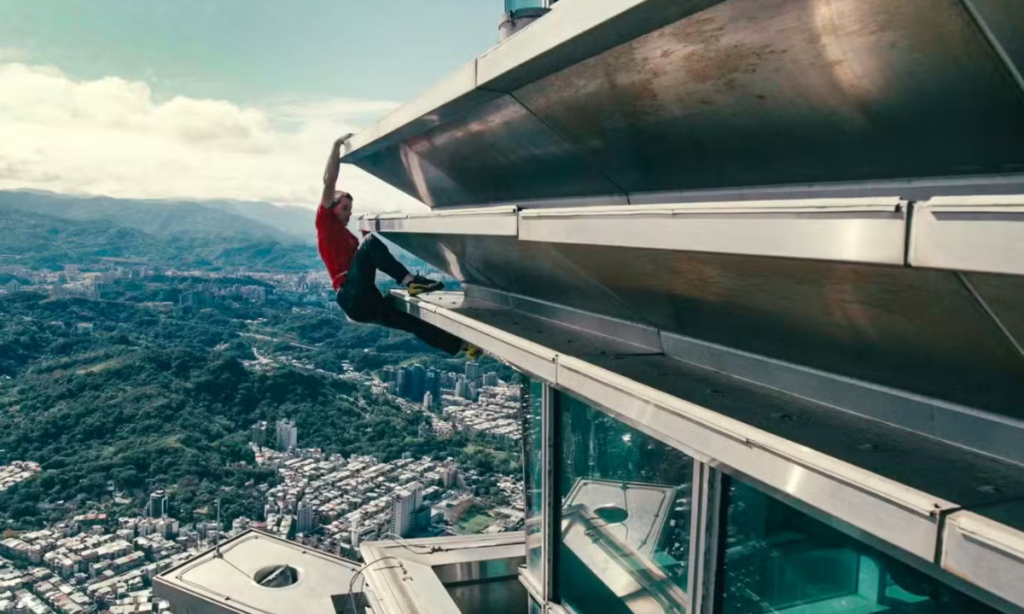
Alex Honnold stunned the world this weekend by pulling off what is believed to be the highest free solo climb of an urban structure in history — scaling the 1,667-foot Taipei 101 skyscraper without ropes. But despite the historic feat and massive global attention, the legendary climber’s paycheck for Netflix’s Skyscraper Live reportedly landed well below $1 million.
According to a report from The New York Times, Honnold earned a mid-six-figure sum for the live-streamed special, a figure that surprised many given the risk, preparation, and spectacle involved.
“It’s less than my agent aspired to,” Honnold admitted. “If you put it in the context of mainstream sports, it’s an embarrassingly small amount. Major League Baseball players sign $170 million contracts — people you’ve never even heard of.”

Why Honnold Didn’t Push for a Bigger Payday
While the number may seem low compared to salaries in traditional professional sports, Honnold made it clear money was never the driving force behind the climb.
“I would do it for free,” he told the Times. “If there was no TV program and the building gave me permission, I would do it anyway. I’m not getting paid to climb the building — I’m getting paid for the spectacle. I’m climbing the building for free.”
That mindset reflects a long-standing philosophy Honnold has maintained throughout his career: the challenge itself is the reward. For him, Netflix wasn’t paying for athletic ability alone, but for the production, global broadcast, and high-stakes drama of turning an extreme climb into a live entertainment event.
Netflix and Producers Respond
Variety confirmed that it has reached out to Netflix and Skyscraper Live producer Plimsoll Productions for clarification on how Honnold’s compensation was determined and whether additional incentives were involved. As of publication, no further details have been released.
Embracing the Spotlight — Slowly
In an interview with Variety immediately after the climb, Honnold admitted that performing in front of thousands of spectators — both in person and online — was unfamiliar territory.
“At first, it felt intense,” he said. “I was nervous. I’ve never climbed with that many people watching.”
But as the days leading up to the climb passed, his perspective shifted.
“I started to embrace the spectacle,” Honnold explained. “If I waved at people, enjoyed the views, and took my time, it actually made the climb easier. Going too fast makes you tired. Enjoying the experience makes it feel less scary.”
That mental adjustment, he said, transformed the event from a nerve-wracking challenge into something closer to a celebration of movement, exposure, and focus.
A Different Kind of Athlete Economy
Honnold’s modest payday highlights the stark contrast between extreme sports and mainstream athletics. While climbers risk their lives for singular, once-in-a-generation feats, the financial rewards remain relatively small compared to league-based sports with recurring revenue streams.
Still, for Honnold, the value of Skyscraper Live wasn’t measured in dollars.
“I just wanted to have a good time,” he said. “And if that makes everything feel better — and safer — then that’s worth it.”