Olympic Athlete’s 1984 Abduction: Wilderness Survivalists’ Shocking “Bride” Kidnapping in Montana Mountains
Biathlon star Kari Swenson endured harrowing captivity before rescue attempt turned fatal in remote wilderness ordeal
Crucial Facts:
- Elite biathlete Kari Swenson seized during mountain training run in Big Sky area
- Father-son wilderness dwellers held her captive, claiming younger man needed wife
- Rescue effort resulted in one death and severe injuries before perpetrators’ winter evasion
Terrifying Encounter on Remote Trail
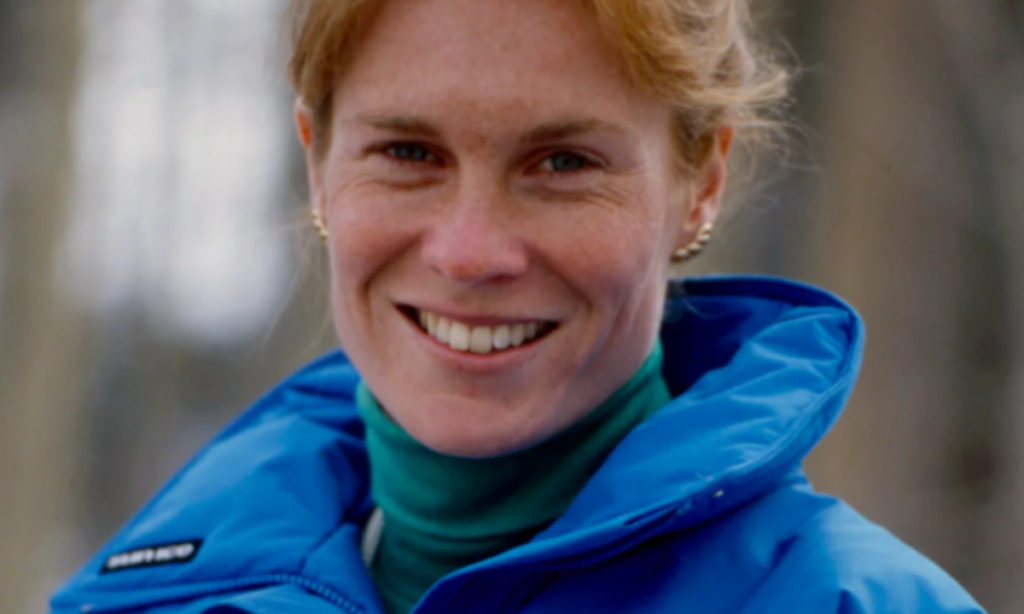
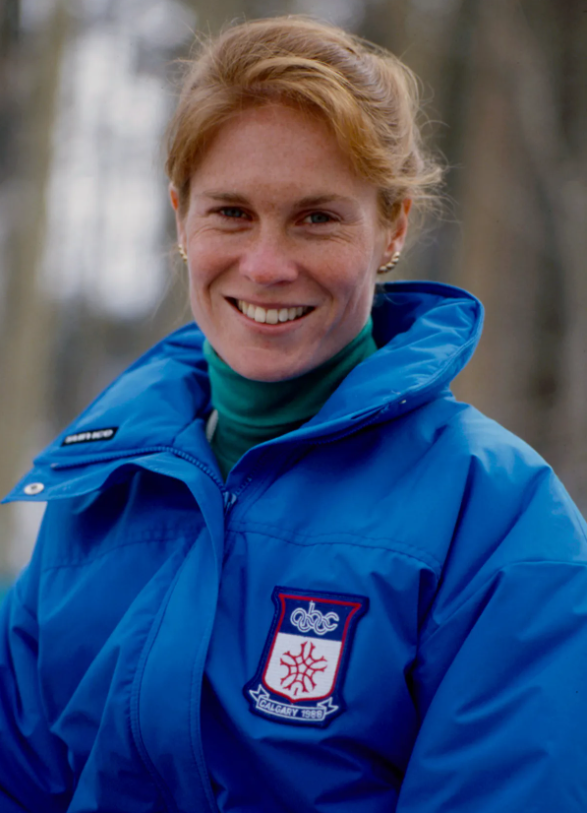
During July 1984, 22-year-old U.S. biathlon team member Kari Swenson was conducting routine training on an isolated Montana mountain path when she encountered Don Nichols and his 19-year-old son Dan. The encounter rapidly transformed from chance meeting to violent abduction as the pair forcibly seized the athlete, leading her deeper into the rugged Madison Range wilderness.
The Nichols men had occupied the southwestern Montana backcountry for over ten years, deliberately avoiding civilization and sustaining themselves through hunting and foraging activities, according to Associated Press documentation and Bozeman Daily Chronicle reporting from that period.
Captors’ Disturbing Rationale
During Dan Nichols’ 1985 trial before a Madison County jury, Swenson provided testimony explaining her captors’ stated motivations. “They indicated they required female companionship in the mountains,” she recounted according to AP trial coverage.
Don Nichols later testified that he believed securing a woman represented the only method to convince his son to continue their isolated mountain existence rather than returning to conventional society.
“Female visitors rarely appear in the mountains for conversation,” Swenson recalled the elder Nichols explaining, based on testimony
documented by the Chronicle.

Violent Capture and Overnight Ordeal
Swenson testified that the men physically struck her following their initial encounter on the trail. “I feared they intended to sexually assault and murder me,” she stated according to AP reporting.
She told jurors about repeatedly requesting release, but Dan Nichols consistently refused. “No, I’m keeping you. You’re attractive. I’m keeping you,” he told her according to her testimony.
Throughout the night, the captors moved Swenson through forested terrain, restraining her with chains as they relocated between different campsites, AP reported. Swenson attempted discouraging their plans by falsely claiming marriage status and strategically dropped personal belongings along their route hoping to create a trail for potential rescuers, news outlets documented.
Search Operation Initiated
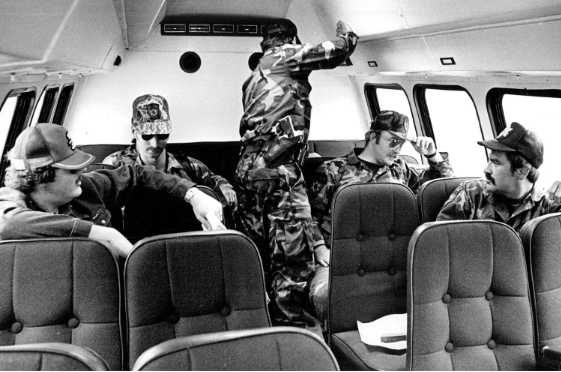
When Swenson failed returning from her training run, colleagues and friends from Lone Mountain Ranch organized search efforts. On July 16th, two men—Jim Schwalbe and Alan Goldstein, who knew Swenson professionally—located the Nichols campsite near Jack Creek.
Deadly Confrontation
Spotting the approaching searchers, Swenson shouted warnings that her captors possessed weapons. Don Nichols commanded his son to silence her, according to New York Times trial reporting. Dan Nichols discharged his pistol, striking Swenson’s chest and puncturing her lung, multiple outlets documented.
“Oh God. I didn’t intend shooting her,” Dan Nichols later testified, characterizing the shooting as unintentional, according to Times coverage.
As Schwalbe rushed toward the wounded Swenson, Goldstein called for the Nichols pair to surrender. Don Nichols responded by firing a rifle, striking Goldstein in the face. The 36-year-old died immediately at the location, authorities informed the AP.
The father and son fled into the Madison mountain range, abandoning the severely injured Swenson at the isolated campsite.
Survival and Rescue
Shot through the lung with compromised breathing, Swenson later testified she crawled toward a sleeping bag and fought to maintain consciousness while awaiting assistance. She heard helicopter sounds overhead and attempted signaling rescuers but remained initially undetected, according to AP reporting.
Extended Manhunt
Despite extensive search operations, the pair evaded authorities for nearly five months, utilizing concealed supply stockpiles and remote camps to survive Montana’s harsh winter conditions, outlets reported.
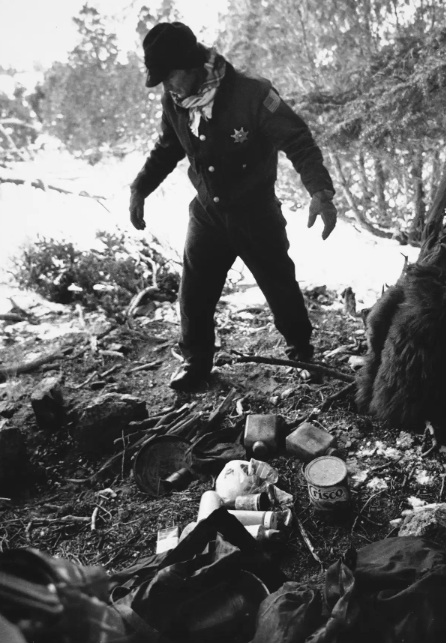
Authorities apprehended them without resistance in December 1984 after Sheriff France traced them to a snow-covered campsite near Bear Trap Canyon and surprised them, according to AP and subsequent Chronicle reporting.
Legal Proceedings and Convictions
Both men faced kidnapping charges. Don Nichols additionally faced deliberate homicide charges regarding Goldstein’s death, according to court documentation reported by the Times. During trial, Don Nichols admitted abducting Swenson, expressing belief she would eventually accept mountain living.
“We conversed and superficially she seemed like the type I’d always envisioned,” he testified according to Times coverage. “So I grasped her wrist.”
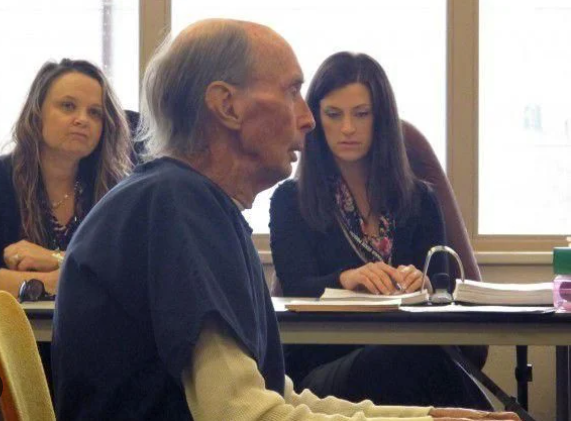
Jurors convicted Don Nichols of deliberate homicide, kidnapping, and aggravated assault, imposing an 85-year prison sentence. Dan Nichols received kidnapping and assault convictions but homicide acquittal, according to Times and AP trial coverage. He gained release from incarceration in 1991.
Remarkable Recovery and Career Continuation
Despite diminished lung capacity from her injuries, Swenson remarkably returned to competitive athletics, ultimately securing a medal at world biathlon championships, the AP documented. She subsequently became a veterinarian and returned to Montana, according to later reporting. She declined providing public commentary about the case in subsequent years.
Don Nichols received parole release in 2017 after serving over three decades imprisoned, according to Guardian reporting.
Legacy of Resilience
Swenson’s survival and return to elite athletic competition despite life-threatening injuries and psychological trauma demonstrates extraordinary resilience. Her ordeal highlighted both the dangers faced by athletes training in remote locations and the unpredictable threats posed by individuals living outside societal boundaries.
The case remains one of Montana’s most notorious criminal episodes, combining elements of wilderness survival, violent crime, and ultimately, one athlete’s determination to reclaim her life and career despite devastating circumstances.