Navigating Legal Pitfalls with Windows Activation Tools
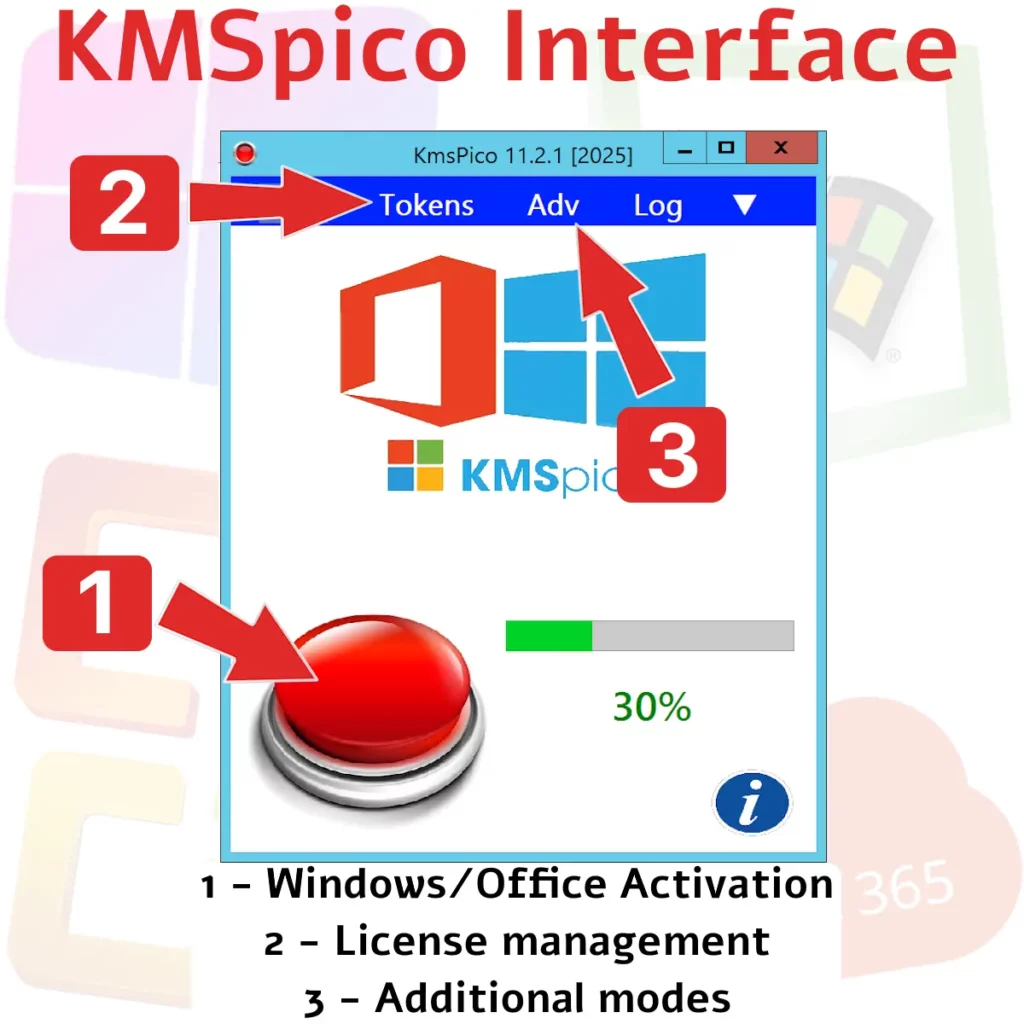
In the realm of software compliance, the use of activation tools like the windows 10 activator raises crucial legal and ethical concerns. These tools are often employed to bypass software licensing requirements, posing significant risks for individuals and businesses. Understanding the landscape of these activation tools is imperative for maintaining compliance and protecting intellectual property rights.
Understanding Windows Activation
Windows 10, like its predecessors, requires product activation to ensure that your copy of the operating system is genuine. Activation involves validating a product key with Microsoft’s servers to confirm that it has not been used on more devices than allowed by the license agreement. This process helps maintain software integrity and security by ensuring that all copies are legitimate and receive necessary updates from Microsoft.
The activation process is straightforward but crucial for both home users and enterprises, as it ensures access to critical updates that keep systems secure from vulnerabilities. Without proper activation, users might find themselves unable to access new features or improvements, thus running an outdated version that could be susceptible to threats.
The Role of Windows 10 Activator
A windows 10 activator is a tool designed to circumvent the official activation process. It allows users to activate their Windows without purchasing a legitimate license key. While this might seem like a convenient option, it typically violates Microsoft’s terms of service and can lead to software piracy legal issues. Unauthorized use of such tools can also result in compromised system performance due to potential malicious code embedded within the activators.
Moreover, using such activators can result in unreliable system behavior, with users experiencing unexpected crashes or malfunctions. The presence of malicious code not only endangers personal data but also creates backdoor vulnerabilities that hackers can exploit. Hence, while these tools promise easy activation solutions, they come at a substantial risk to user privacy and system stability.
Common Types of Activators
- KMSPico: A popular choice among activators, KMSPico imitates a Key Management Server (KMS) to activate Windows and Microsoft Office products. Although it is widely used, downloading or using KMSPico for different versions can expose users to malware, leading to severe security breaches.
- KMS Auto: Another variant that automates the activation process using similar mechanisms as KMSPico. It offers activation without purchasing licenses but constitutes unauthorized use, which can result in vulnerabilities being exploited by cybercriminals.
These tools have become widespread due to their ease of access on various online platforms. However, they are often bundled with unwanted programs or malware that can compromise user security significantly. Users should be wary of such downloads as they may inadvertently harm their systems while attempting to bypass genuine licensing methods.
Legal Implications of Using a Windows 10 Activator
The use of tools like windows 10 activator contradicts the End User License Agreement (EULA) set by Microsoft. Engaging in such practices can lead to several consequences including revocation of license, hefty fines, and potential legal actions. Organizations need to be especially cautious as they may face reputational damage and cybersecurity threats that could undermine business operations.
Beyond immediate legal repercussions, there are broader implications for businesses caught using unauthorized software. These include loss of trust from clients who expect adherence to legal standards and operational disruptions if systems are seized or disabled during investigations.
Risks Beyond Legal Repercussions
- Security Vulnerabilities: Many activators carry malware, putting systems at risk. Unauthorized access and data breaches are common outcomes when security is compromised through the use of unverified tools.
- Lack of Support: Non-genuine copies do not receive updates or support from Microsoft, leading to outdated systems prone to exploits. This lack of official support leaves systems vulnerable to new threats.
The absence of regular updates means that users miss out on patches for newly discovered vulnerabilities. Over time, this significantly increases exposure to cyber threats as attackers continuously seek unpatched systems as easy targets for exploitation.
Ensuring Compliance with Genuine Software
To avoid potential pitfalls associated with unauthorized activation tools like windows 10 activator free download versions, investing in genuine software licenses is crucial. Regular audits and compliance checks help ensure that all organizational software follows legal standards. Utilizing authorized vendors and keeping detailed records of software purchases fortifies this compliance effort while ensuring systems remain secure and efficient.
A commitment to genuine software also enhances operational efficiency by guaranteeing access to technical support when needed. This proactive approach reduces downtime caused by technical issues since legitimate copies ensure compatibility with other essential business applications.
Testing Legal Software Configurations in Lab Environments
For businesses evaluating legal alternatives for system deployment, setting up a controlled lab environment such as a VM with 2 vCPUs and 4 GB RAM can be beneficial. This allows testing the impact of updates and configurations without affecting live environments, thus minimizing risks associated with direct deployment on production systems.
This strategy not only identifies potential conflicts between new software versions and existing applications but also allows IT teams to develop comprehensive deployment plans tailored specifically for their organization’s needs.
The Importance of Software Validation Tools
Microsoft provides several tools for ensuring proper license management and product activation compliance. The Deployment Image Servicing and Management (DISM) command-line tool helps IT professionals manage Windows installations effectively by checking system integrity and rectifying any discrepancies found in system files or configurations. Utilizing such tools ensures that all installations are compliant with Microsoft’s guidelines.
Sustainable Practices for Licensing Management
- Regular Audits: Conduct periodic checks on all software installations within an organization to ensure compliance with licensing agreements and prevent unauthorized use.
- Sufficient Documentation: Maintain thorough documentation relating to all licensed software purchases and deployments. Proper documentation aids in audits and ensures transparency in software management processes.
- User Education: Educate employees about the importance of utilizing genuine software for maintaining security and legal integrity over options like windows 10 activator shortcuts. An informed workforce is better equipped to recognize potential risks associated with unauthorized software usage.
Navigating Alternatives: Official Channels for Activation
If challenges arise with product activation or license keys, contacting Microsoft support is recommended over using unauthorized methods like windows 10 activator free download options available online. They provide assistance in validating licenses and troubleshooting activation issues without resorting to shortcuts. Using official channels ensures that systems remain compliant while benefiting from full support services offered by Microsoft.
The Future Outlook on Software Licensing
The landscape of software licensing continues evolving with stronger emphasis on digital rights management (DRM) technologies aimed at curbing piracy while enhancing user experience. Companies must adapt by aligning their operations with these advancements, promoting ethical handling of digital products for sustainable growth in technology adoption.
In conclusion, navigating through Windows activation tools demands awareness of both legal implications and security risks involved in using options like windows 10 activator alternatives available online. By adopting legitimate practices and staying informed about software compliance requirements, individuals and organizations can safeguard themselves against potential pitfalls while supporting a fair digital marketplace where innovation thrives on respect for intellectual property rights.