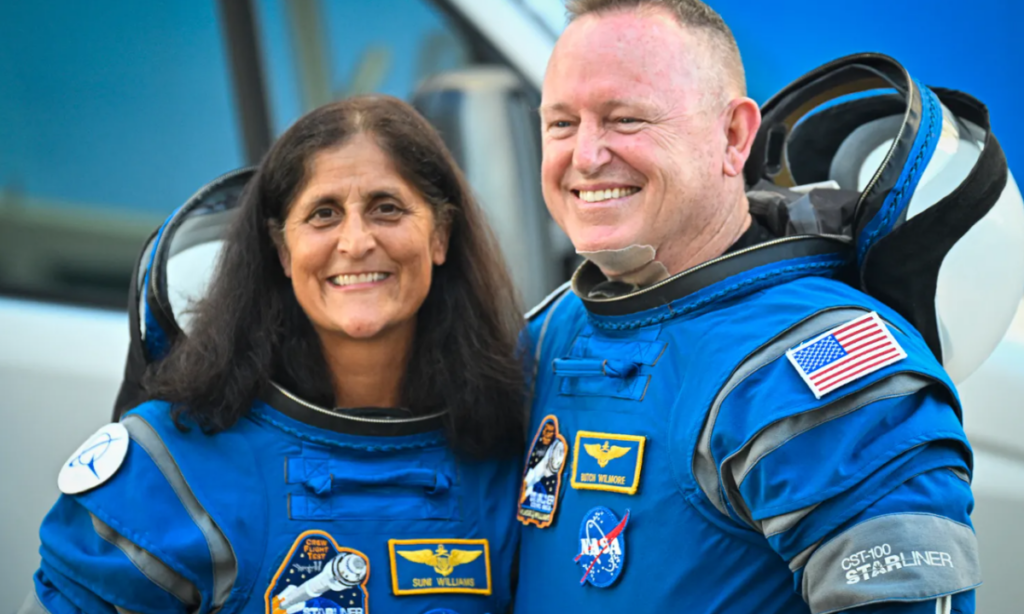
NASA Astronaut Suni Williams Retires After 27 Years, Including 9-Month Space Ordeal
Record-breaking astronaut who spent extended time aboard ISS due to spacecraft issues officially ends career with agency
Major Announcement:
- Sunita “Suni” Williams officially retired from NASA on December 27, 2025
- Career included 608 days in space and record-breaking achievements
- Retirement follows nine-month unplanned stay aboard International Space Station
Official Retirement Announcement
Sunita “Suni” Williams has announced her retirement from NASA.
Williams, 60, officially retired from the agency on December 27, 2025, according to a press release shared by NASA on Tuesday, January 20th.
The Massachusetts native set “numerous human spaceflight records throughout her career,” and made headlines beginning in 2024 when she and partner Butch Wilmore found themselves stuck in space for nine months.
Williams’ Statement
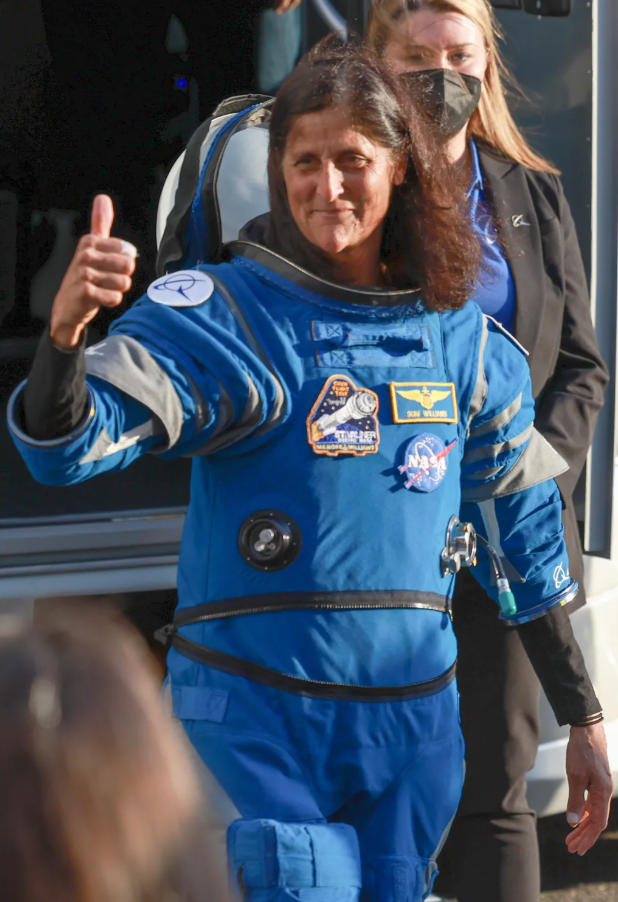
In a statement addressing her retirement, Williams said she “had an amazing 27-year career at NASA” thanks to “the wonderful love and support” she received from her colleagues.
“It’s been an incredible honor to have served in the Astronaut Office and have had the opportunity to fly in space three times,” Williams said in her statement.
Williams called the people and science at NASA “truly awe-inspiring,” and said she hopes to have helped set a solid foundation for those taking “bold” new steps toward exploring the moon and Mars at the agency.
“I am super excited for NASA and its partner agencies as we take these next steps, and I can’t wait to watch the agency make history,” she stated.
Career Achievements
Williams launched into space for the first time in December 2006 while aboard space shuttle Discovery, according to NASA.
She spent 608 days in space throughout her career, placing her second on the list of most cumulative time spent in space by a NASA astronaut, per the agency.
Williams currently holds the record for most spacewalk time by a woman at 62 hours and 6 minutes across nine spacewalks, and was the first person to run a marathon in space, NASA said.
Extended Space Mission
In June 2024, Williams and Wilmore were launched into space aboard the Starliner spacecraft as part of a test mission. They then spent the next nine months in space due to mechanical problems with their spacecraft.
Williams and Wilmore returned to Earth in March 2025. Wilmore retired from NASA four months later in August.
Previous Hints at Retirement
Speaking with PEOPLE in September 2025, Williams hinted that she was also considering retirement. “I think I might turn to the next chapter of life,” she said at the time.
NASA Leadership Tributes
NASA Administrator Jared Isaacman described Williams in a statement as “a trailblazer in human spaceflight” whose “extraordinary achievements will continue to inspire generations to dream big and push the boundaries of what’s possible.”
“Congratulations on your well-deserved retirement, and thank you for your service to NASA and our nation,” Isaacman stated.
Colleague Recognition
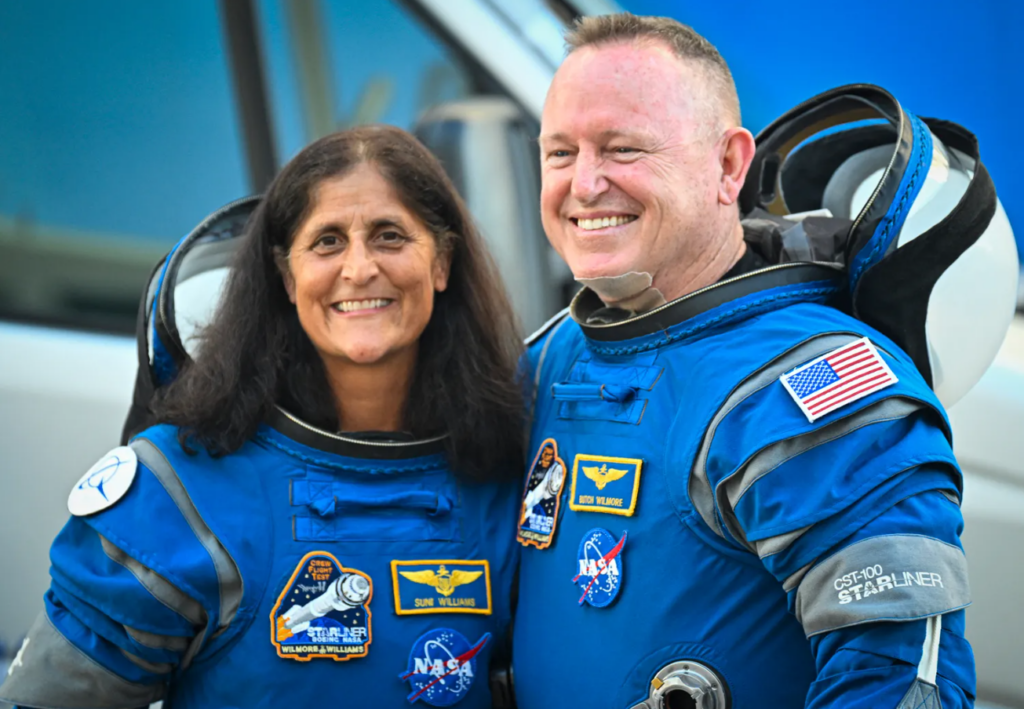
Vanessa Wyche, director of NASA’s Johnson Space Center in Houston, applauded Williams for being “a pioneering leader” while Scott Tingle, chief of the Astronaut Office, called her “incredibly sharp, and an all-around great friend and colleague.”
“She’s inspired so many people, including myself and other astronauts in the corps,” Tingle said. “We’re all going to miss her greatly and wish her nothing but the best.”
Remarkable Career Legacy
Williams’ retirement marks the end of an exceptional 27-year career with NASA that included groundbreaking achievements and record-setting accomplishments. Her distinction as the second NASA astronaut with the most cumulative time in space—608 days—demonstrates extraordinary dedication to space exploration.
Historic Firsts and Records
Her record for most spacewalk time by a woman—62 hours and 6 minutes across nine spacewalks—stands as testament to her technical expertise and endurance. Additionally, her achievement as the first person to run a marathon in space showcases the innovative spirit that characterized her career.
Unexpected Final Mission
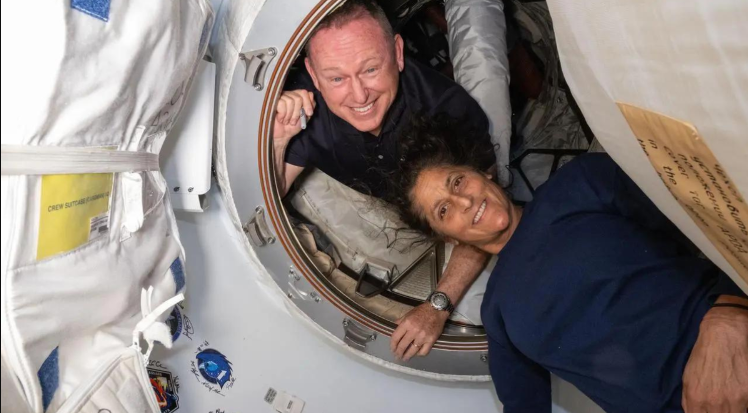
The nine-month extended stay aboard the International Space Station that concluded her active career was far from planned. What began as a test mission aboard the Starliner spacecraft in June 2024 became an extended ordeal when mechanical problems prevented the spacecraft from safely returning Williams and Wilmore to Earth as scheduled.
This unplanned extension tested both astronauts’ resilience and adaptability, ultimately adding months to what should have been a brief test flight.
Partner’s Retirement
Butch Wilmore, who shared the extended space mission with Williams, retired from NASA in August 2025—four months after their March return to Earth. His retirement preceded Williams’ by several months, though both appeared ready to transition to new chapters following their unexpectedly prolonged final mission.
Looking Forward
Despite retiring from active astronaut duty, Williams expressed enthusiasm for NASA’s future endeavors, particularly regarding lunar and Mars exploration initiatives. Her statement indicates she’ll remain an engaged observer and supporter of space exploration efforts, even as she steps away from direct participation.
Inspiration for Future Generations
Williams’ career serves as inspiration for aspiring astronauts, particularly women pursuing careers in space exploration. Her record-breaking achievements and pioneering spirit helped pave the way for future generations of space explorers.
Next Chapter
While Williams hinted in September 2025 that she was considering “the next chapter of life,” she has not publicly disclosed specific plans for her post-NASA career. However, her experience, achievements, and perspective position her well for various roles supporting space exploration, education, or advocacy.
Her retirement closes a remarkable chapter in NASA’s history while opening possibilities for how she might continue contributing to space exploration and scientific advancement in new capacities beyond active astronaut service.