My Father Sold My House While I Was Deployed What He Didn’t Know Changed Everything
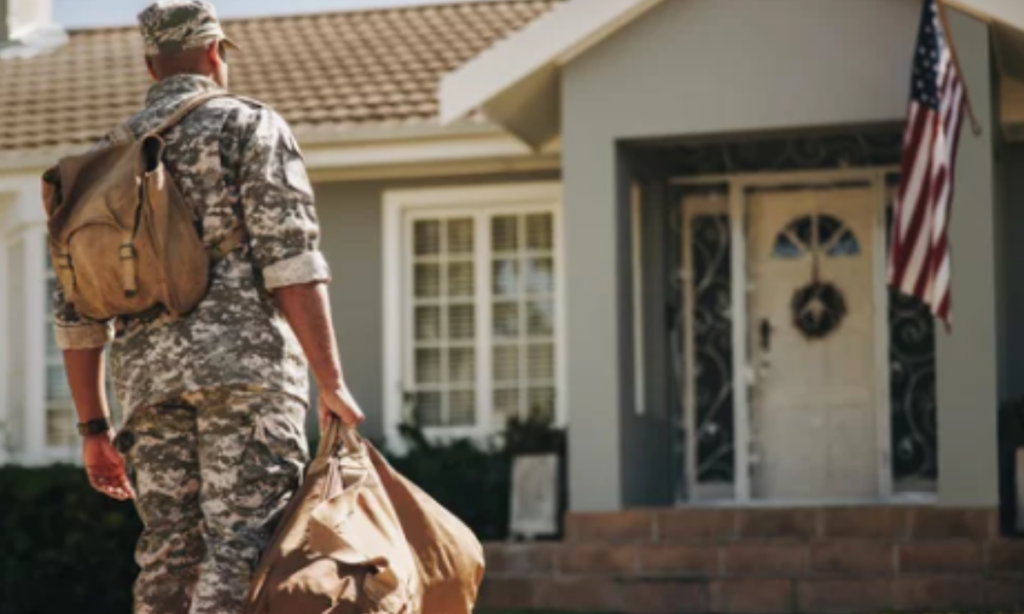
When I stepped out of the taxi after months overseas, I expected exhaustion, relief, maybe even a quiet sense of pride. What I didn’t expect was to see my father and my older brother standing on my front porch like they owned the place—because, in their minds, they did.
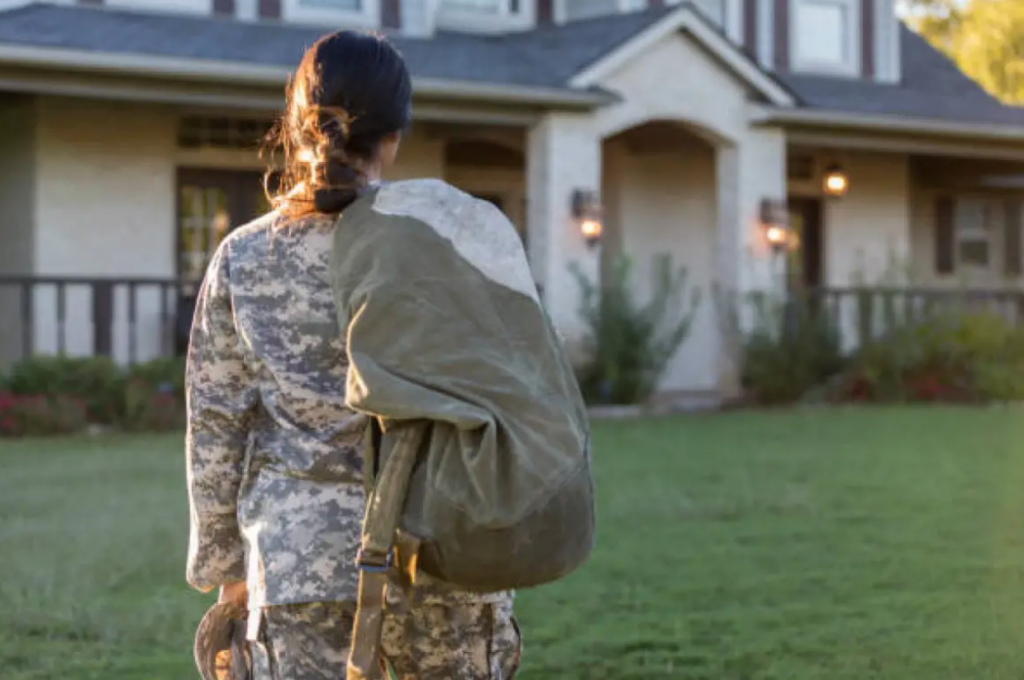
My deployment bag was still hanging off my shoulder. My boots were still dusted with red dirt from the other side of the world. And yet, before I could even reach the front steps, my father crossed his arms and said something that made my stomach drop.
“You don’t live here anymore.”
No welcome home. No hug. No acknowledgment that I had just returned from serving my country. Just a statement delivered with disturbing calm.
At first, I honestly thought I misheard him.
“What do you mean?” I asked.
My brother laughed and lifted a beer bottle from the porch railing—one I recognized immediately as mine. “We sold the house while you were gone,” he said casually. “Dad had power of attorney. Totally legal.”
They were smiling.
That house wasn’t just a building. It was the first real thing I had ever owned. I bought it eight years earlier using a VA-backed loan after my second deployment. Every renovation had been done with my own hands—floors refinished on weekends, wiring replaced during leave, bathrooms rebuilt piece by piece. It was my anchor in a life defined by constant movement.
And they sold it like it was nothing.
“You Didn’t Need It Anyway”
My father justified it the way he always justified everything involving my brother.
“He needed help,” he said. “Family helps family. You weren’t even here.”
Then came the sentence that revealed exactly how little my sacrifice meant to him.
“You’re always being sent somewhere else. What difference does a house make when you’re never around?”
I felt anger rise in my chest—but I didn’t explode. I didn’t yell. Instead, I smiled.
That’s when their confidence started to crack.
Because what they didn’t know was that this wasn’t the victory they thought it was.
The Warning Signs I Ignored
Months earlier, while stationed overseas, something had already felt wrong. Phone calls home were short and tense. My father sounded irritated whenever I asked about the house. My brother—who had a long history of bad decisions—was suddenly living with him again.
Once, during a call, I heard someone ask in the background, “Did she send the money yet?”
The line went dead immediately.
Two weeks before I flew home, my father sent a single text message:
Call us before you come back.
No explanation. No response when I tried calling. I convinced myself it was nothing.
It wasn’t.
The Truth Starts to Surface
Standing on the porch that day, I finally asked the question that mattered.
“When did you sell it?”
“Three weeks ago,” my father said. “Fast sale. Cash buyer.”
That explained everything.
Then the front door opened—and a woman I had never seen before stepped outside holding a coffee mug that said Home Sweet Home.
“I’m the new owner,” she said politely.
That’s when I knew the situation had crossed from betrayal into something much bigger.
A Sale That Never Should Have Happened
I congratulated her calmly and asked a few simple questions.
Who handled the sale?
Did she have her own attorney?
Was she told about the property’s ownership structure?
Her answers made my father visibly nervous.
Then I told her the truth.
The house wasn’t in my personal name anymore.
Three years earlier, I had transferred the property into an LLC—something I did quietly, specifically to protect my assets while serving overseas. I was the sole owner of that company. My father had zero legal authority to sell it.
On top of that, the property was originally purchased through a VA loan—meaning federal protections applied. Selling it without my direct consent and without proper VA authorization wasn’t just invalid.
It was fraud.
The woman’s face went pale.
Consequences Arrive Quickly
Within days, lawyers were involved. The sale was frozen. Courts ruled the transaction fraudulent and void. The buyer recovered her money.
My father and brother didn’t walk away so easily.
The investigation revealed the real reason behind the sale: my brother had accumulated massive gambling debt. Instead of letting him face the consequences, my father decided to sacrifice me instead.
Federal charges followed.
The man who once stood proudly at my military graduation now stood in a courtroom answering for fraud. My brother received prison time. The attorney who helped them was arrested trying to flee the state.
What I Learned the Hard Way
The hardest part wasn’t losing trust—it was realizing I had been right to protect myself years earlier.
People often say, “You should always trust family.”
But experience taught me something different.
Trust without boundaries is vulnerability.
Hope without verification is risk.
I didn’t win because I was lucky.
I won because I planned for betrayal long before it arrived.
The house they tried to sell was never really mine.
But the life I built—the one protected by preparation, discipline, and self-respect—was something they could never touch.
And that changed everything.