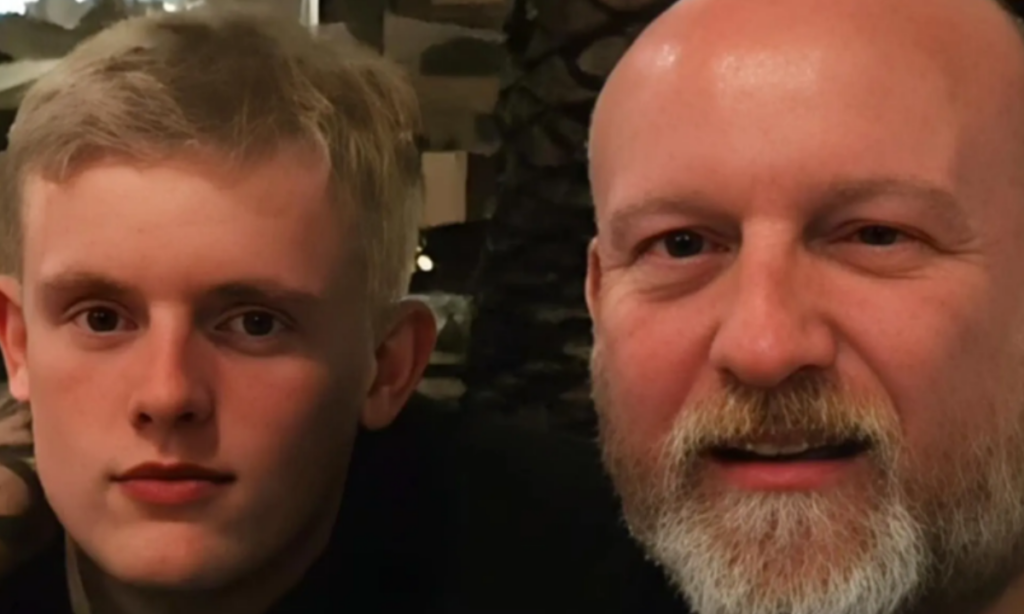
Mother Loses Husband and Son Six Years Apart to Same Rare Genetic Condition
Amber Selvey shares family’s tragic experience with Alagille Syndrome to raise awareness of overlooked symptoms
Critical Information:
- Jason Selvey died in 2017 at age 47; son Daniel died in 2023 just before his 25th birthday
- Both deaths caused by cardiac complications from previously undiagnosed Alagille Syndrome
- Three of Amber’s five children diagnosed with the rare genetic condition after family testing
Devastating Family Loss
A mother in England is working to raise awareness about a rare genetic illness following the deaths of her husband and son six years apart from cardiac arrest—both caused by a condition that went undiagnosed for generations.
Speaking exclusively with PEOPLE, Amber Selvey, 51, revealed there was no known family history of Alagille Syndrome before genetic testing identified the hereditary condition affecting her family. Alagille Syndrome is a genetic disorder that can cause liver damage and vitamin deficiencies, according to the Cleveland Clinic.
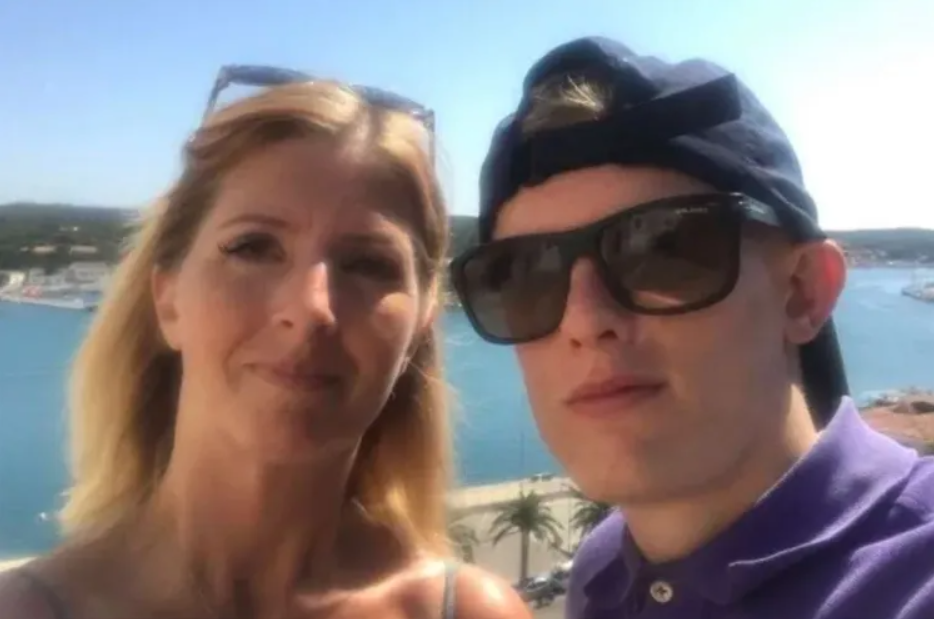
Amber’s husband, Jason Selvey, died in 2017 at age 47. Tragically mirroring his father’s death, Daniel went to bed with a cough and cold before suffering heart failure and dying in 2023, just days before his 25th birthday.

Difficult-to-Recognize Symptoms
“Alagille syndrome can be very difficult to recognize because symptoms vary widely and often appear in isolation rather than as one clear condition,” Amber told PEOPLE. “Liver problems caused by abnormalities in the bile ducts are one of the most common features, but these range from fairly mild, only being detected due to blood test abnormalities, to severe disease requiring transplantation.”
She continued, “Heart problems are also common and may include narrowing of blood flow from the heart to the lungs (pulmonary stenosis), heart murmurs, or more complex defects such as tetralogy of Fallot. In my eldest son’s case, he had aortic valve stenosis and a bicuspid aortic valve, which was later found at post-mortem to be a unicuspid valve, which is extremely rare. When cardiac issues occur without obvious liver disease, the underlying genetic link can be missed.”
Daniel’s Medical History
Daniel had previously suffered heart failure in 2021, but Amber was able to resuscitate him at that time.
“During the COVID period and following his cardiac arrest in 2021, Daniel experienced chest pains and increasingly frequent episodes of collapse, alongside seizure-type activity,” Amber told PEOPLE. “Despite repeated concerns being raised and multiple investigations being carried out, no confirmed cause was identified prior to his sudden death.”
The mother of five, who lives in Kent, England, previously told UK newspaper Metro that as a baby, Daniel experienced breathing difficulties that led to his diagnosis with the heart condition aortic valve stenosis.

Pushing for Genetic Testing
When their next child was found to have another cardiac condition, Amber pushed for the family to undergo genetic testing.
She said three of her children, including Daniel, have Alagille Syndrome, while two do not.
“When my third child was born and became the second of our children to be diagnosed with a cardiac condition, I was not satisfied with the explanation that it was simply unfortunate,” Amber told PEOPLE. “As both a parent and a pediatric nurse, I felt something more was going on and pushed for genetic testing. This led to the diagnosis of Alagille syndrome in our children, which then helped us understand the wider implications for our family as a whole.”
Tracing Family History
She continued, “There was no known family history of Alagille syndrome. After our children received their diagnoses, it was traced back to my husband and, most likely, his father, who had sadly already passed away by that time. Without genetic testing, the condition went unrecognized across generations, although with hindsight, his father experienced multiple health problems that may now be viewed differently.”
Jason’s Overlooked Symptoms
Amber said her husband appeared “fit and well” before his symptoms began.
“My husband was born with one eye that never fully developed and had no sight in it,” she told PEOPLE. “He wore a prosthetic eye. During his childhood, it was assumed to be an isolated birth defect, but it is now understood to be linked to Alagille syndrome.”
As an adult, her husband experienced other common health issues that were overlooked because they were unaware he had the condition.
He had recurrent episodes of pneumonia and later developed gout as a result of his liver involvement, Amber revealed.
Following Jason’s death in 2017, a post-mortem found pulmonary artery hypoplasia and underdeveloped heart ventricles, consistent with hypoplastic heart syndrome, according to Metro.
Additional Overlooked Symptoms
Amber told PEOPLE there are several other symptoms of Alagille Syndrome that may be overlooked unless medical professionals are specifically looking for them, including “distinctive facial features, ocular involvement, spinal abnormalities known as ‘butterfly vertebrae,’ kidney disease, or blood vessel abnormalities affecting the brain.”
“Others may have milder or isolated symptoms such as failure to thrive, malabsorption of fats and vitamins, or a tendency to bruise easily, without these being linked to a broader condition,” said Amber. “Early signs such as prolonged jaundice in babies, persistent itching, cholesterol deposits in the skin (xanthomas), easy bruising, pale stools, dark urine, poor growth, brittle bones, hearing loss, or fatigue can often be dismissed or attributed to more common childhood issues.”
“Because symptoms can fluctuate, affect different organs at different times, or appear mild, Alagille syndrome is frequently overlooked unless clinicians take a joined-up, whole-person approach.”
Variable Severity
She revealed that even within the same family, the severity of the illness can vary significantly.
Lack of Standardized Adult Care
“At present, there are no established medical guidelines for standardized adult Alagille syndrome care, which leads to wide variation in monitoring, treatment, and long-term planning,” Amber told PEOPLE. “Historically, hepatologists have led care, but for adults whose liver is not their primary issue, this can result in fragmented and poorly coordinated oversight. This is something I strongly believe must change.”
Hope Through Awareness
She continued, “If sharing our story helps even one family receive an earlier diagnosis, better monitoring, or more joined-up care, then something meaningful can come from our loss. Greater awareness of rare genetic conditions like Alagille syndrome is vital, not just for children and their ongoing health needs, but for adults who may be unknowingly living with serious risks.”
“I hope this encourages professionals and families alike to look deeper, ask questions, and listen carefully when concerns are raised,” she added.
Supporting Organizations
Amber has several organizations close to her heart following the deaths of her husband and son. She said the work of the Alagille Syndrome Alliance in America advances research and assists families.
She is also an advocate for The Evie Dove Foundation, which has offered financial support toward her degree tuition fees.
She added, “Also East Kent Mind and Revival, who have helped facilitate the peer-led bereavement group I have recently started to facilitate ‘Together In Grief’ for parents—men and women—who have suffered the loss of a child, at any age, at any time, and from any cause.”
Legacy of Loss
Amber’s devastating personal experience—losing both her husband and eldest son to the same undiagnosed genetic condition—has transformed her grief into advocacy. By sharing her family’s story publicly, she hopes to prevent other families from experiencing similar tragedies through delayed diagnosis.
The case highlights critical gaps in medical knowledge and standardized care protocols for rare genetic conditions, particularly in adult populations where symptoms may not follow typical childhood presentations. Her work as a pediatric nurse combined with her lived experience positions her uniquely to advocate for improved screening, coordinated care, and greater medical awareness of Alagille Syndrome’s varied presentations across different organ systems and life stages.