Luigi Mangione will not face death penalty if convicted, judge rules
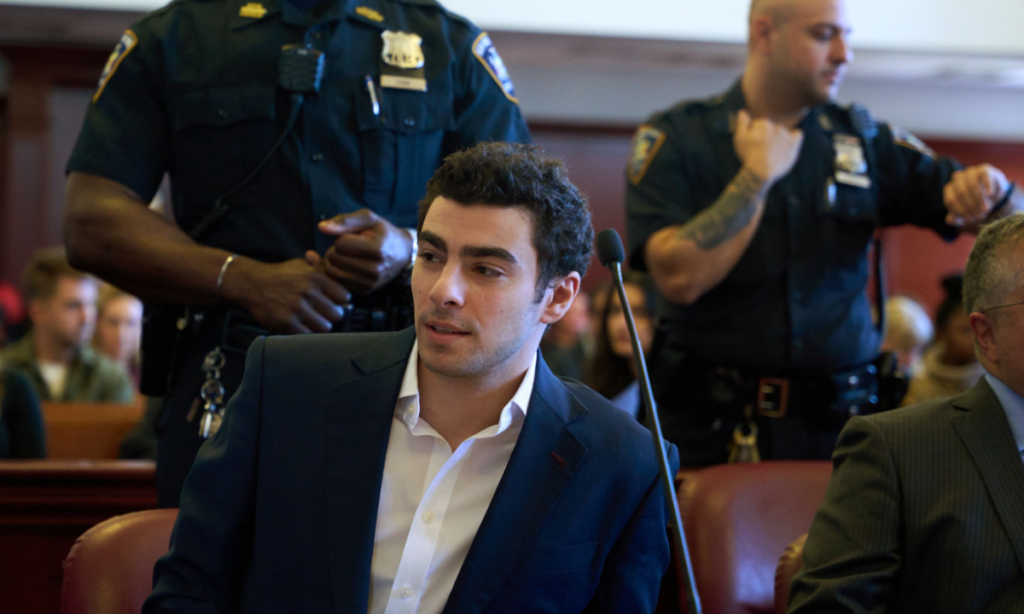
Luigi Mangione, the 27-year-old suspect accused in the fatal shooting of UnitedHealthcare CEO Brian Thompson, will no longer face the death penalty if convicted, following a new federal court decision. A judge has dismissed the firearms-related charges that previously made capital punishment a possibility, significantly altering the direction of the case.
Judge Removes Death Penalty Option
U.S. District Judge Margaret Garnett ruled that certain federal charges brought against Mangione did not legally qualify as crimes of violence under federal statutes. Because of this, the counts that could have led to a death sentence were dismissed. However, Mangione still faces federal stalking charges, which carry a potential maximum sentence of life in prison.
Mangione has pleaded not guilty to all federal and state accusations connected to the case.
Following the ruling, defense attorney Karen Agnifilo expressed relief, saying the legal team is ready to continue fighting the charges and welcomed the judge’s decision. Judge Garnett clarified that her ruling strictly eliminates the death penalty as a sentencing option and does not determine Mangione’s guilt or innocence.

Case Background and Ongoing Charges
Mangione was arrested several days after Brian Thompson was fatally shot outside a Manhattan hotel in December 2024, where the executive was attending an investor event. Prosecutors allege that Thompson, a 50-year-old father of two, was approached from behind by a masked gunman and shot.
In addition to federal charges, Mangione is also facing multiple counts in a separate New York state case, including second-degree murder.
Evidence Allowed in Trial
In a decision viewed as favorable to prosecutors, the judge ruled that evidence recovered from Mangione’s backpack at the time of his arrest can be presented in court. Authorities reported finding a firearm, counterfeit identification documents, and a notebook containing writings that allegedly referenced grievances with the U.S. healthcare system.
Defense lawyers had argued that the items were obtained without proper legal authorization and should be excluded from the trial, but the judge rejected that request.
Trial Timeline and Legal Developments
Jury selection for the federal case is currently scheduled to begin in early September, with opening arguments expected in October. Meanwhile, state prosecutors are pushing for an earlier trial date, possibly as soon as July.
In a separate incident related to the case, a Minnesota man was recently arrested after allegedly attempting to impersonate a federal agent in what authorities say was a failed effort to secure Mangione’s release from custody.
What Comes Next
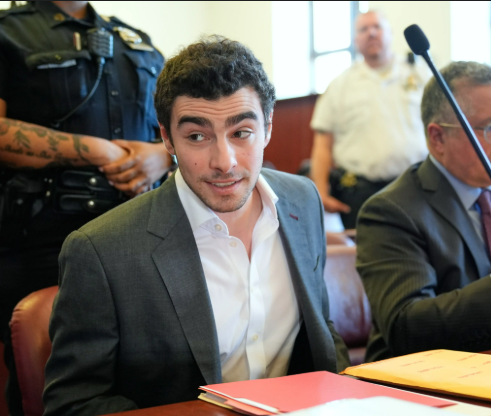
The federal government has been given time to appeal the judge’s decision to remove the death penalty from consideration. Legal experts say the ruling marks a significant moment in a case that has drawn nationwide attention due to the high-profile nature of the victim and the broader discussions it has sparked.