
Jim Curtis’ Health: Jennifer Aniston’s Boyfriend and His Journey with a Misdiagnosed Condition
Jim Curtis has recently gained attention as Jennifer Aniston’s latest romantic interest, but he is also well-known in the health and wellness sector. A hypnotherapist and life coach, Jim’s journey into this field was sparked by his own health struggles. His past experiences, which included dealing with a limp, have attracted significant interest from Jennifer’s fans who want to know more about him.
According to Jim’s website, after enduring years of a chronic illness that was misdiagnosed and facing emotional challenges, he discovered a path to healing that embraced both physical and emotional well-being. His philosophy centers on the idea that, no matter how trapped or broken one might feel, personal transformation is always achievable.
Jim’s Role in Health and Wellness

As mentioned, Jim is not just a hypnotherapist; he is also an author and coach. He has written two influential books: Shift: Quantum Manifestation Guide and The Stimulati Experience: 9 Skills for Getting Past Pain, Setbacks, and Trauma to Ignite Health and Happiness.
Jim’s biography states that he has spent over twenty years as a significant voice in the wellness community. He has held leadership positions at various organizations, including WebMD, Everyday Health, and the Institute for Integrative Nutrition (IIN). His coaching practice involves guiding entrepreneurs, artists, and public figures through profound personal development, utilizing techniques that combine neuroscience, subconscious reprogramming, and emotional healing.

Understanding Jim Curtis’ Illness
Currently, Jim uses a cane for mobility. At the age of 22, medical professionals discovered lesions on his spinal cord, which marked the beginning of his health struggles.

Jim notes on his website that his illness and subsequent disability compelled him to address the limiting beliefs and emotional trauma that kept him feeling isolated and unwell. Through various powerful methods, including hypno-realization, he was able to not only improve his physical health and overcome depression but also assist countless others in transforming their lives into ones filled with connection and joy.
In a 2018 interview with Fast Company, Jim candidly discussed his condition, which caused debilitating symptoms such as muscle spasms, a limp, and even paralysis at one stage of his life.
https://www.instagram.com/p/DQk3FzTCf-R/?utm_source=ig_embed&utm_campaign=loading
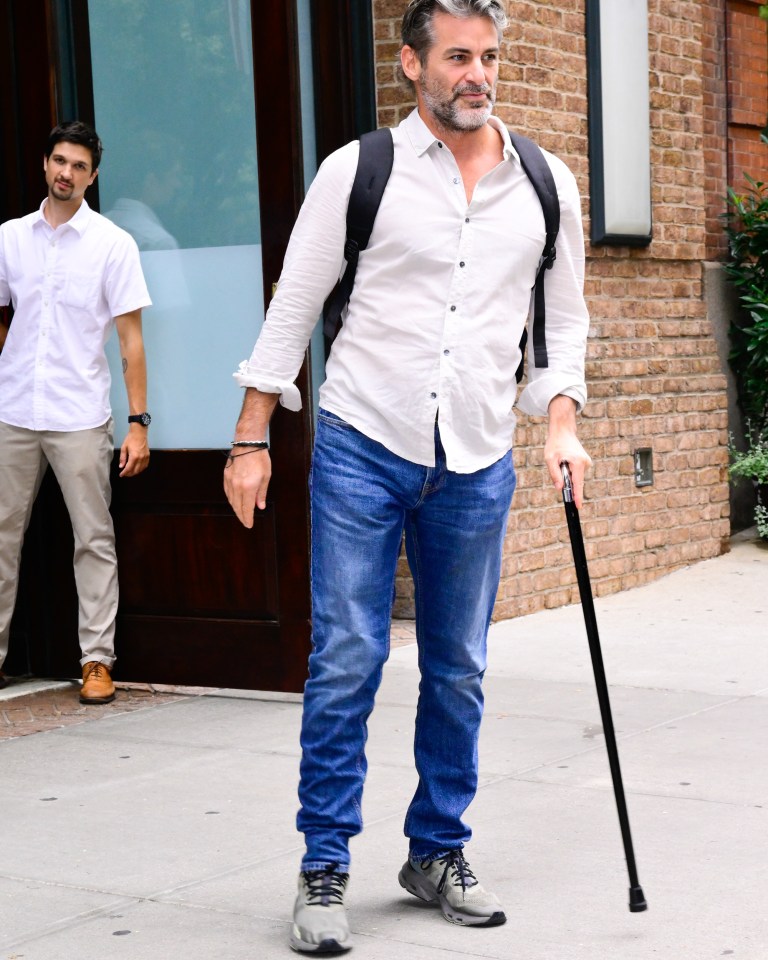
Reflecting on his experience, Jim explained, “I quickly became ill, and it soon became difficult for me to walk. My illness was revealing something important about my identity; I was a macho athlete with aspirations of a career on Wall Street, and this condition was a harsh wake-up call.”
He admitted that his job on Wall Street was a poor fit for his health, citing the extreme stress of that environment as exacerbating his condition. The high-pressure atmosphere led to increased fatigue and pain, and brought about new health issues like irritable bowel syndrome (IBS) that he found challenging to manage.

After enduring two years in that stressful role, Jim made the transition to the health and wellness industry.
Does Jim Curtis Face a Disability?
While it is not definitively known if Jim currently has a recognized disability, he has previously shared experiences of living with a limp during his 2018 interview.
“I often avoided discussing my illness because I was embarrassed about my limp and didn’t want to delve into the reasons behind it,” Jim revealed. “Instead, I fabricated stories about being in accidents, usually motorcycle ones, as they sounded more impressive and tough.”
He further explained some of the other challenges he faced, including his struggles with IBS, stating that he concealed his condition, which was a significant burden for him.
“Until about a decade ago, I struggled with IBS, which led to many embarrassing situations,” Jim shared. “As a salesperson constantly on the go, I found myself traversing large airports for miles; I avoided wheelchairs at all costs, fearing I might fall or appear weak. I pushed through the discomfort, and when crises arose, I would go into survival mode, returning to work the next day despite everything. It took a toll on my mental health, and I was battling depression. Working in sales, I often indulged in unhealthy food and drink, leading to me being at least 50 pounds overweight.”