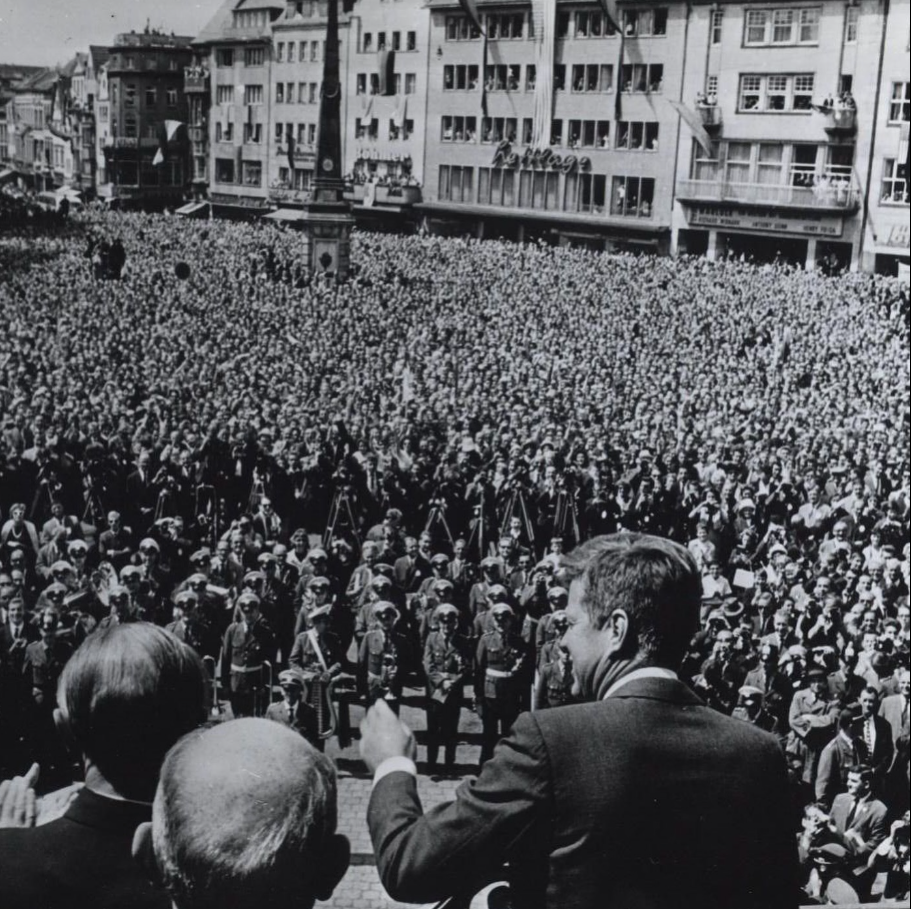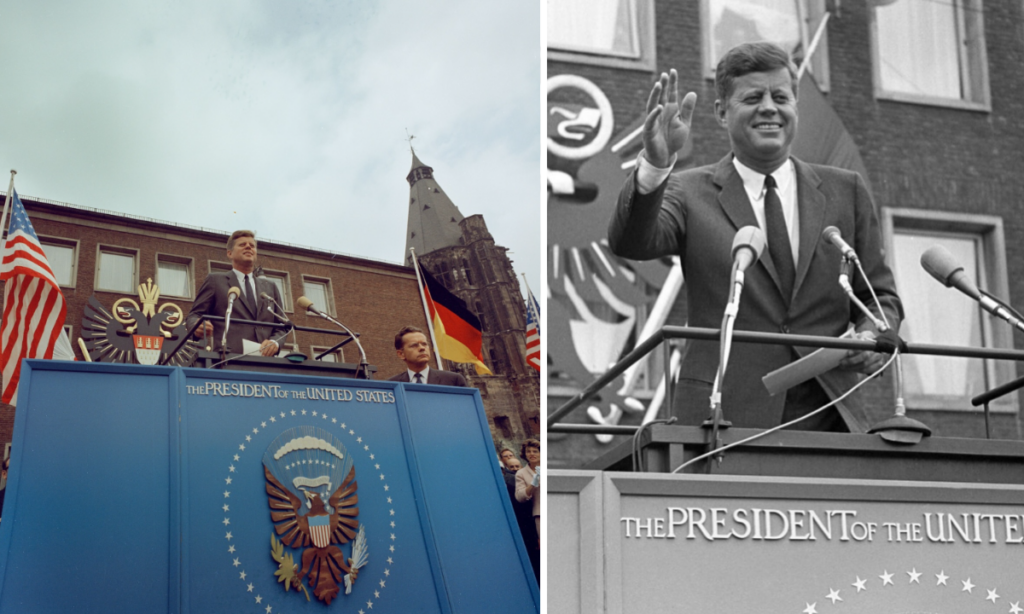
Jack Kennedy’s Historic 1963 European Tour: Germany, Bonn, Cologne, Frankfurt, and West Berlin
In 1963, Jack Kennedy embarked on a historic 10-day European tour , marking a pivotal moment in international diplomacy and transatlantic relations. The journey began on June 23, 1963, when Kennedy arrived in Germany, a country central to Cold War politics and post-World War II reconstruction.
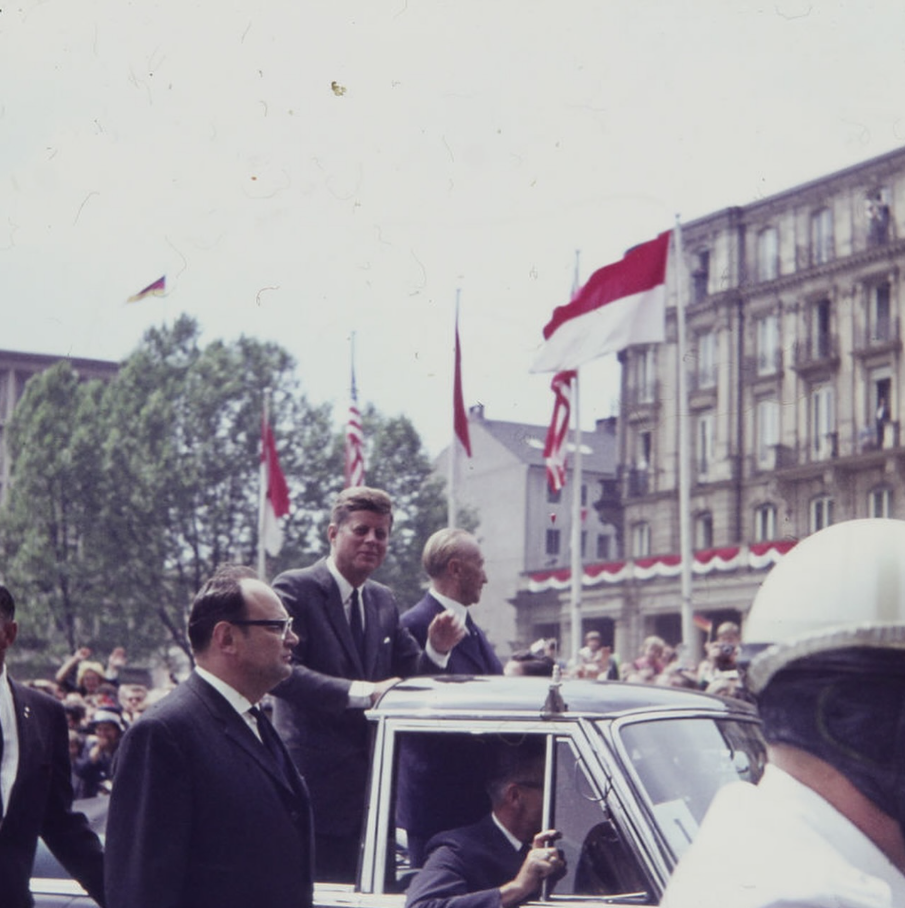
During the first three days of his European trip (June 23–26), Jack Kennedy visited key German cities including Bonn, the capital of West Germany, Cologne, a hub of culture and commerce, Hanau, known for its historical significance, and Frankfurt, a center of finance and trade. The German leg of the tour concluded in West Berlin, a city that symbolized freedom and democracy during the division between East and West Germany.
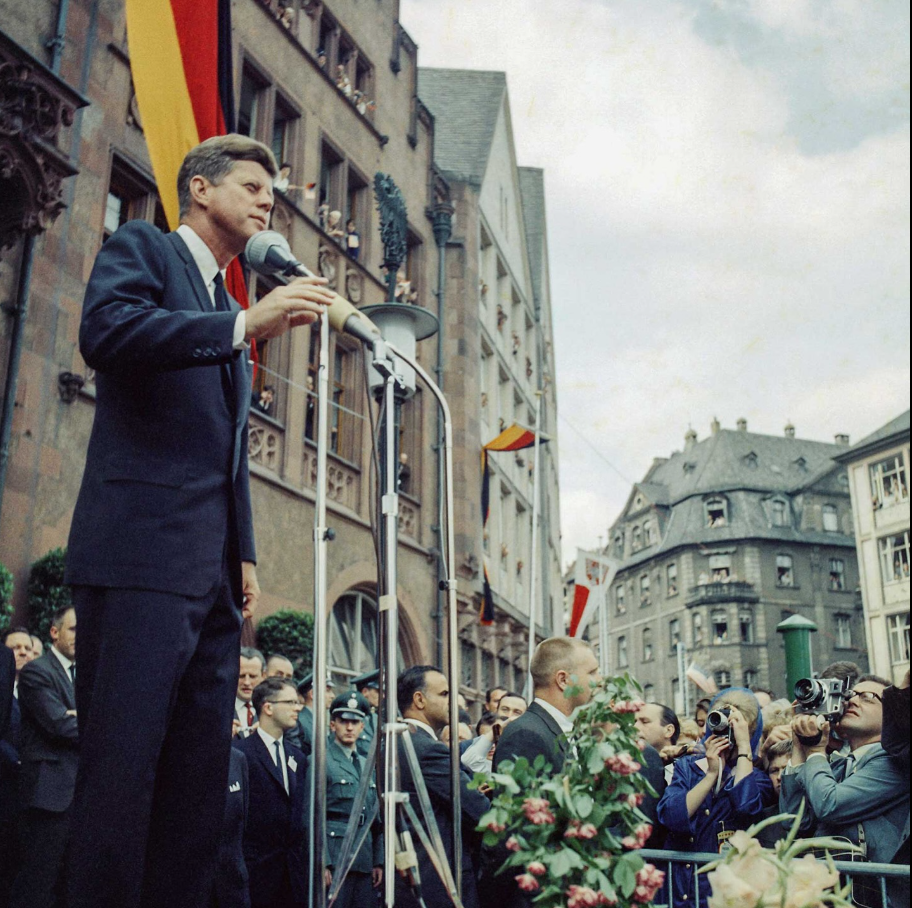
Throughout this historic Germany tour, Kennedy participated in diplomatic meetings, cultural exchanges, and public appearances, gaining insight into European politics in the 1960s. Each city visit offered opportunities to explore historic landmarks, engage with local communities, and attend official events that strengthened US-European relations.
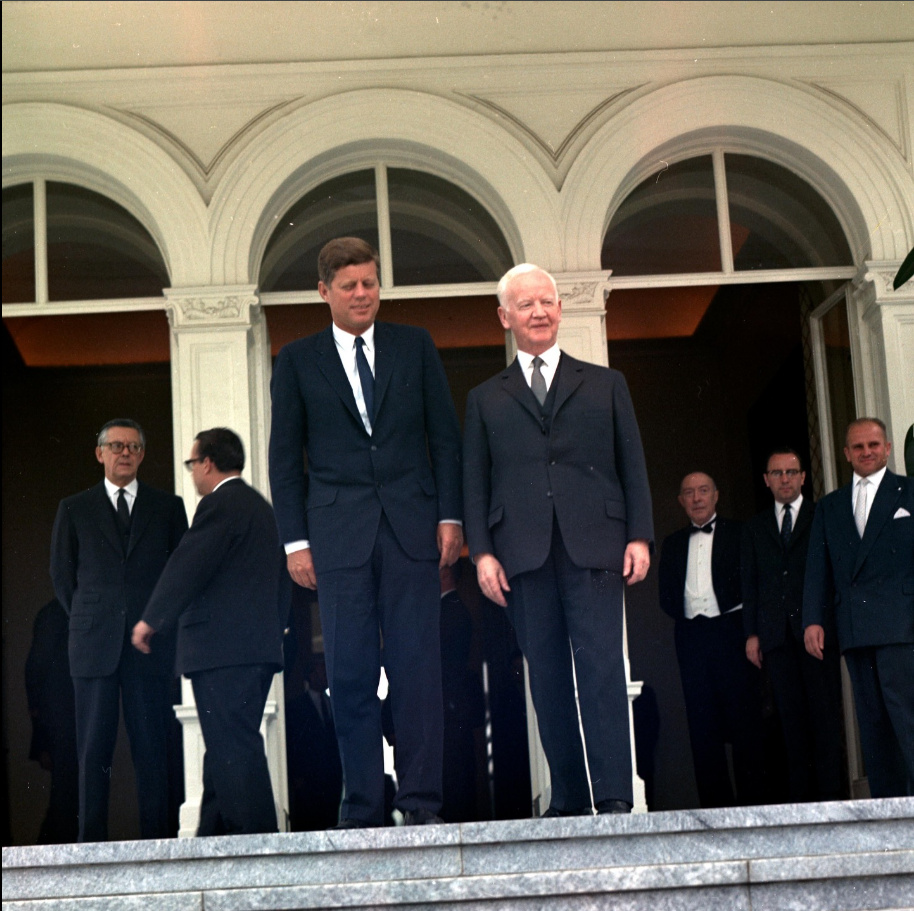
This European tour of Germany not only expanded Jack Kennedy’s global perspective but also reinforced diplomatic ties between the United States and Germany. Observers at the time praised Kennedy’s charm, intelligence, and ability to connect with people, qualities that would define his presidential leadership in later years.
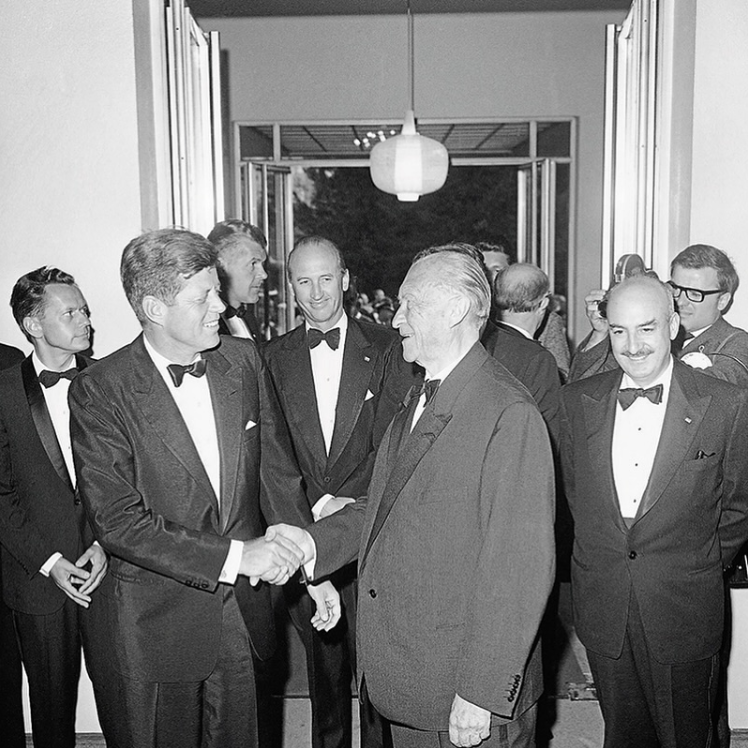
Today, Jack Kennedy’s 1963 German tour is remembered as a significant moment in Cold War history and international diplomacy. Historians and Kennedy enthusiasts continue to commemorate this journey as an example of a young American leader engaging with Europe, promoting cultural understanding, and advancing transatlantic cooperation.