
House Committee Votes to Hold Bill and Hillary Clinton in Contempt Over Missed Epstein Testimon
WASHINGTON — A bipartisan House committee has voted to hold former President Bill Clinton and former Secretary of State Hillary Clinton in contempt of Congress after both failed to comply with subpoenas related to the federal investigation into convicted sex trafficker Jeffrey Epstein.
On Wednesday, the House Oversight Committee voted 34–8 to cite Bill Clinton for contempt after he declined to appear for a deposition examining his past connections to Epstein and Epstein associate Ghislaine Maxwell, who is currently serving a federal prison sentence.
According to the committee’s resolution, Clinton’s refusal to testify obstructed a lawful congressional investigation into the government’s handling of the Epstein case, including scrutiny of Epstein’s death in federal custody and the broader operation of sex-trafficking networks.
Allegations of Obstruction and Ethics Concerns
The Oversight Committee stated that Bill Clinton hindered inquiries into several key areas, including:
The circumstances surrounding Jeffrey Epstein’s death
Federal failures in combating organized sex trafficking
Efforts by Epstein and Maxwell to gain political influence and evade accountability
Possible ethics violations involving high-profile individuals
A detailed report accompanying the vote concluded that Clinton’s “willful refusal” to comply with the subpoena meets the legal standard for criminal contempt of Congress, warranting a referral to the U.S. Attorney for the District of Columbia.
Lawmakers also voted 28–15 to hold Hillary Clinton in contempt on similar grounds, citing identical resistance to the committee’s investigation.
GOP Pushes for Accountability
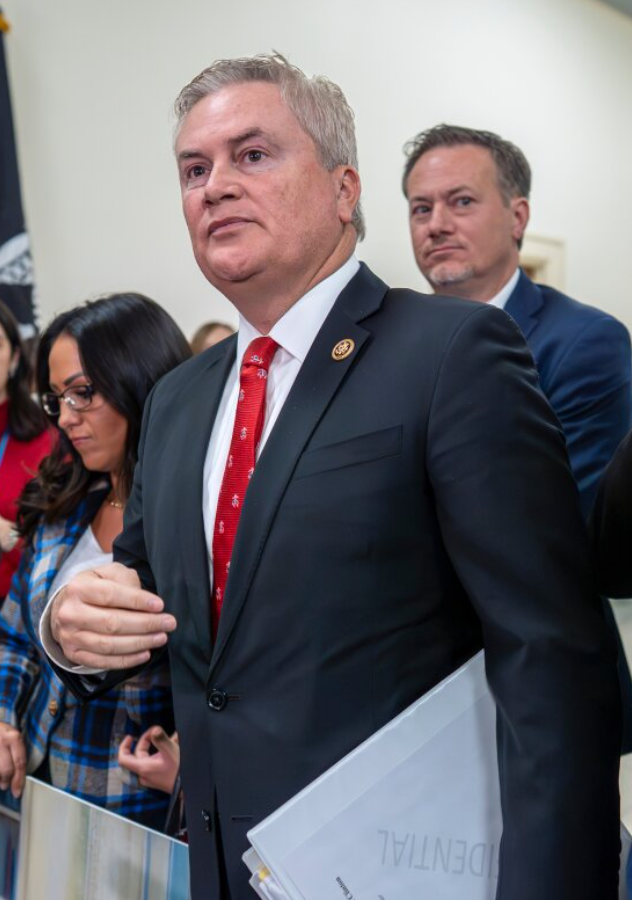
Several Republican lawmakers signaled support for potential criminal prosecution if the full House approves the contempt resolutions later this month.
“They are not above the law,” said Rep. Derrick Van Orden (R-Wis.), arguing that failure to testify should result in jail time. “If they don’t come in and answer questions, they should face consequences like anyone else.”
If prosecuted and convicted, the Clintons could face up to one year in jail, a minimum sentence of one month, and fines ranging from $100 to $1,000, under federal law.
Clintons Deny Wrongdoing
Both Bill and Hillary Clinton have denied any misconduct, calling the subpoenas “invalid and legally unenforceable.” In sworn written statements, they asserted they had no knowledge of Epstein’s or Maxwell’s criminal activities.
Bill Clinton acknowledged limited contact with Epstein between 2002 and 2003, claiming it involved humanitarian initiatives and travel aboard Epstein’s private jet. He denied ever visiting Epstein’s private island in the U.S. Virgin Islands, a claim supported by Hillary Clinton.
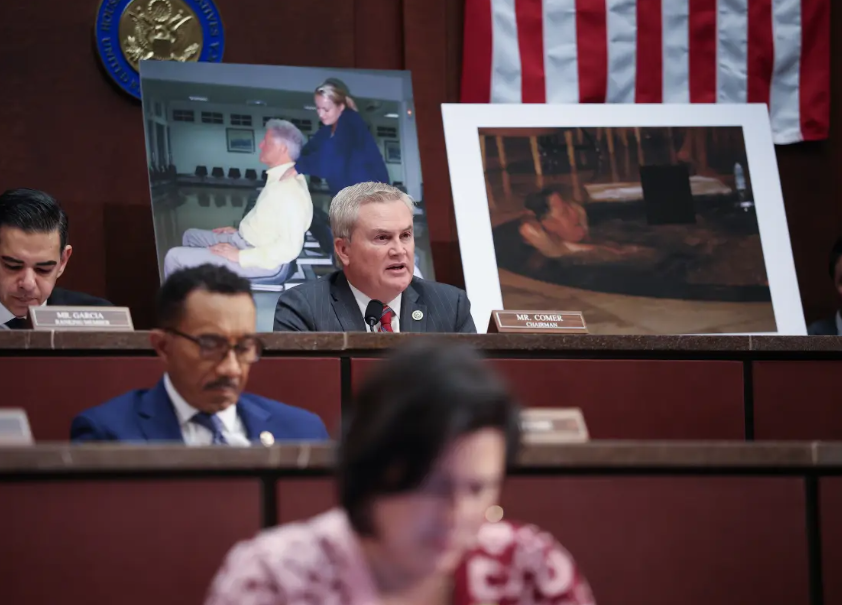
However, past reports and photographs have raised questions about the extent of their social interactions with Epstein and Maxwell, including images showing Maxwell attending Chelsea Clinton’s 2010 wedding and Epstein appearing at high-profile international events alongside Clinton.
Comparisons to Prior Contempt Cases
The committee’s action places the Clintons among several high-profile figures previously cited for contempt, including Steve Bannon and Peter Navarro, who were later convicted and served prison sentences after refusing to testify before the January 6th committee.
Unlike those cases, some legal experts caution that prosecuting a former president could be legally complex.
“There is longstanding Justice Department guidance suggesting former presidents may have limited immunity from compelled congressional testimony,” said Walter Shaub, a law professor at the University of Kentucky.
Debate Over Last-Minute Offer
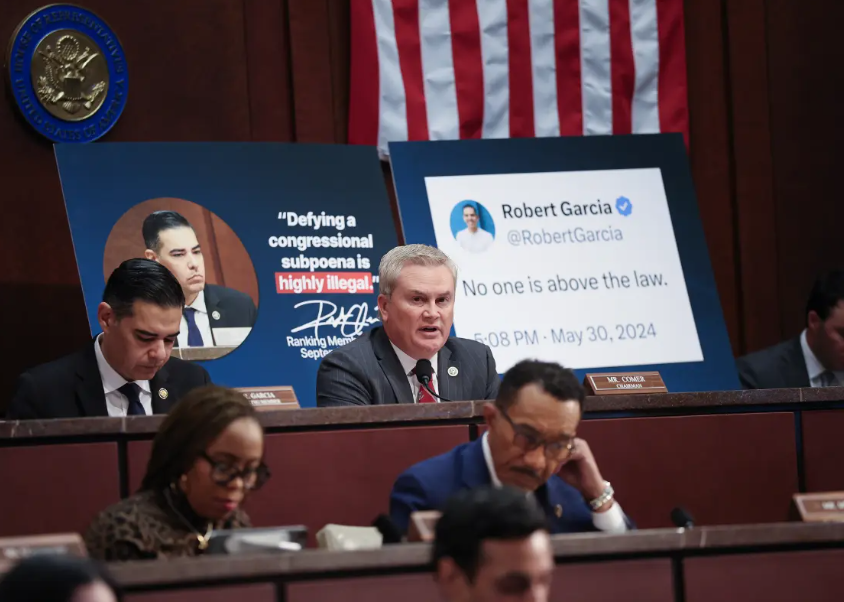
During nearly six hours of debate, lawmakers clashed over whether a last-minute proposal from Clinton attorneys — offering a limited, conditional interview — should have delayed the contempt vote.
Oversight Committee Chairman James Comer (R-Ky.) rejected the proposal, stating it amounted to preferential treatment.
“Their demands show they believe their last name puts them above congressional oversight,” Comer said, citing Bill Clinton’s past impeachment and history of disputed testimony.

What Comes Next
The contempt resolutions will now advance to the full House of Representatives, where a vote is expected within two weeks. If approved, the matter would be referred to the Department of Justice for potential prosecution.
Representatives for Bill and Hillary Clinton did not respond to requests for comment following the committee’s vote.