Homeland Security Chief Defends Citizenship Verification Requests Amid Intensifying Immigration Operations
Kristi Noem addresses growing concerns about federal agents’ tactics as enforcement actions draw national scrutiny
Major Developments:
- Secretary Noem justifies requests for citizenship documentation during enforcement operations
- Series of violent incidents involving federal immigration authorities sparks public debate
- High-profile figures question legality and scope of current immigration enforcement methods
Official Response to Citizenship Questions
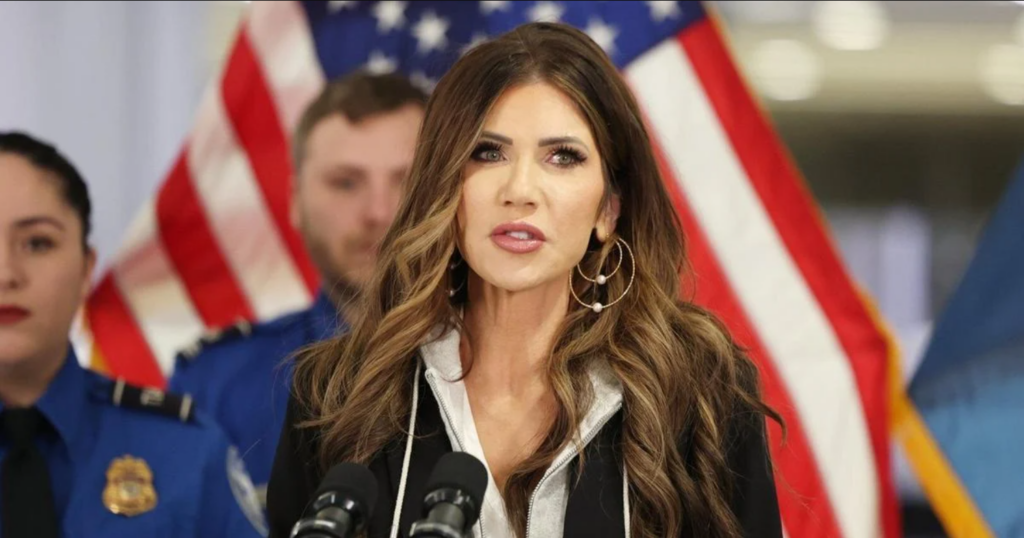
During a January 15th media briefing outside the White House, Homeland Security Secretary Kristi Noem addressed mounting concerns about federal immigration authorities requesting citizenship verification from individuals encountered during operations.
The 54-year-old former governor characterized the agency’s approach as focused and deliberate, explaining that officers conducting specific operations may need to confirm the identities of individuals present in proximity to enforcement targets.
“When executing operations, we encounter people near our primary subjects who require identification verification,” Noem stated. “Confirming identities of those in the immediate area represents standard procedure we’ve consistently followed.”
She added that individuals suspected of legal violations face detention during processing procedures.

Escalating Concerns About Enforcement Tactics
Immigration enforcement activities have attracted intensified examination throughout 2026, following the administration’s implementation of expanded deportation initiatives that commenced nearly one year ago.
A troubling pattern of incidents has emerged in recent weeks. Early January saw a detainee’s death in Texas custody under circumstances a medical examiner appears prepared to classify as homicide, according to major newspaper reporting.
Days later in Minneapolis, Renee Nicole Good lost her life after an agent discharged a firearm four times as she attempted to leave in her vehicle. The same week, a young demonstrator opposing enforcement actions sustained permanent vision loss after being struck by projectiles at extremely close distance, with his family alleging officers mocked his injuries. Most recently, a Venezuelan individual suffered a leg wound during a physical confrontation with officers.
Visual Documentation Spreads Online
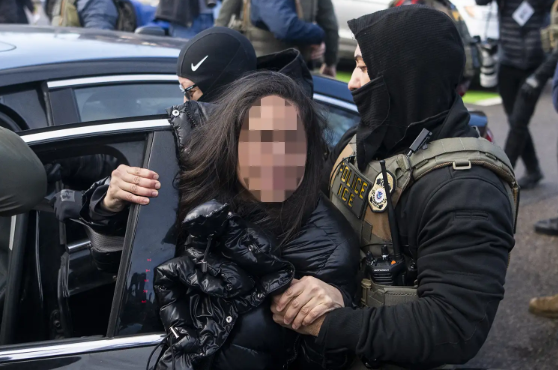
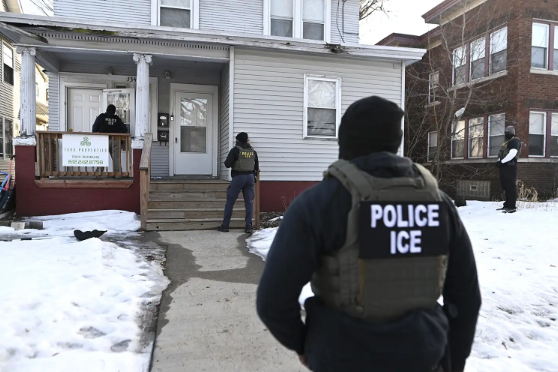
Digital footage capturing agents in confrontations with demonstrators, vehicular collisions, and residential approaches in cities including Minneapolis has circulated widely across social platforms. The administration has responded to protests in Minnesota by threatening to deploy military personnel through emergency executive powers designed for civil unrest.
Statistical Analysis Reveals Patterns
Research conducted by an academic deportation monitoring initiative at a California university has uncovered significant data about arrest patterns. Information obtained through legal proceedings against the agency shows approximately 75,000 individuals apprehended during the administration’s initial nine months possessed no criminal history whatsoever.
The internal agency records, released pursuant to litigation, indicate nearly one-third of those detained had clean records. For individuals with prior convictions, the data fails to differentiate between serious violent offenses and minor infractions.
American Citizens Caught in Operations
While comprehensive figures remain elusive, investigative journalism has documented over 170 instances where United States citizens faced detention during enforcement activities and related demonstrations throughout the same nine-month period.
Prominent Voices Express Reservations
Joe Rogan, whose podcast consistently dominates streaming platform rankings with over 20 million subscribers, has emerged as an unexpected critic despite endorsing the current administration during the previous election cycle.
During a January 13th episode, the 58-year-old commentator acknowledged widespread support for legitimate law enforcement while noting parallel concerns about operational legality.
“Many Americans support arresting criminals,” he observed, “but those same individuals question whether these enforcement methods comply with legal boundaries.”
Rogan specifically challenged the practice of requesting documentation from residents, drawing comparisons to authoritarian historical precedents. He referenced the Nazi-era secret police force known for employing surveillance, unannounced property searches, and coercive interrogation techniques against perceived political opponents.
“Do we truly want armed personnel patrolling neighborhoods demanding identification papers?” he questioned. “Have we reached a point where ‘show me your papers’ becomes acceptable American practice? Particularly when many detained individuals ultimately prove to be legal citizens simply lacking immediate documentation?”
Broader Policy Implications
The debate highlights fundamental tensions between immigration enforcement objectives and civil liberties protections. Questions persist regarding appropriate operational boundaries, oversight mechanisms, and safeguards preventing wrongful detention of American citizens.
As enforcement operations continue expanding across multiple jurisdictions, the balance between security priorities and constitutional protections remains a flashpoint for public discourse, legal challenges, and political controversy that shows no signs of resolution.