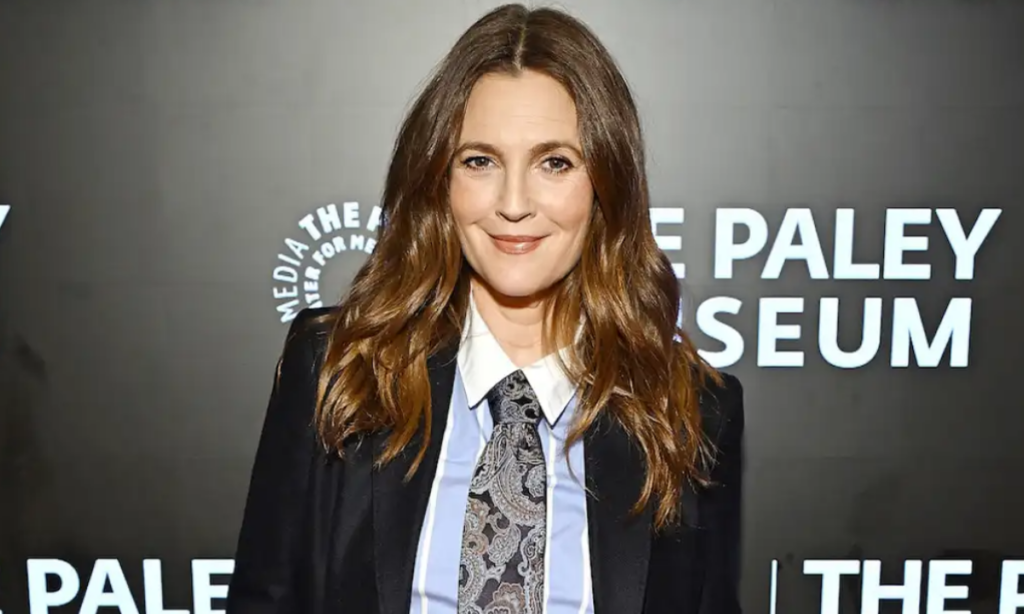
Drew Barrymore Opens Up About Childhood Body Shaming: “It Just Breaks My Heart”
Television host becomes emotional discussing weight criticism she faced as young as seven years old following breakout film role
Main Points:
- Drew Barrymore reveals she faced intense body scrutiny beginning at age 10
- Actress discusses decades-long journey toward self-acceptance on her talk show
- Emotional moment shared with guest Valerie Bertinelli resonates with viewers
Vulnerable On-Air Moment
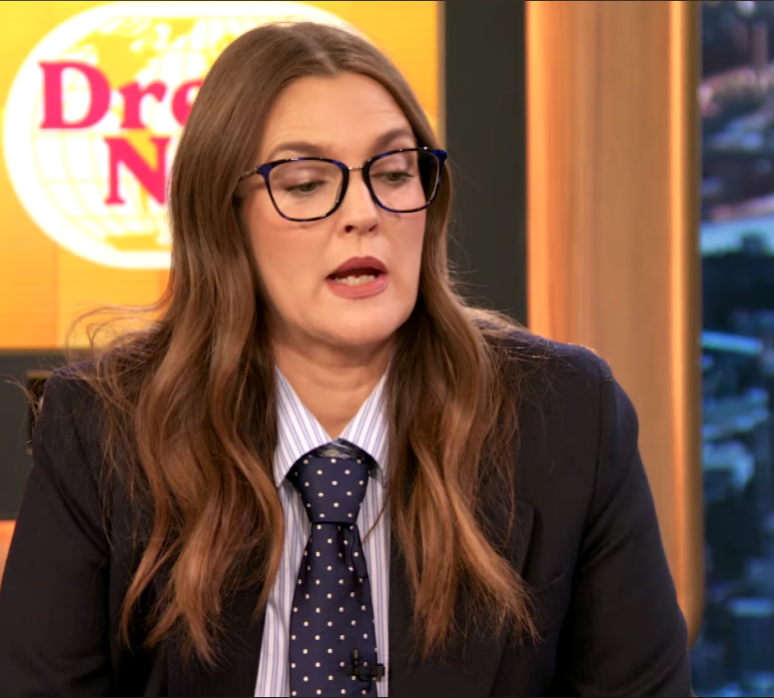
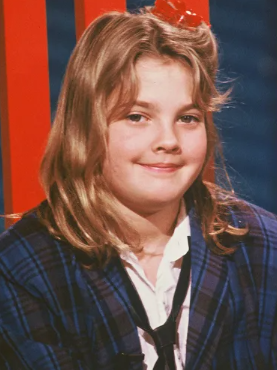
During the January 14th episode of her daytime talk program, Drew Barrymore delivered an emotionally charged reflection on the body image pressures she experienced as a child performer. The 50-year-old television host displayed a photograph of herself at age 10 while recounting the harsh commentary she received from industry figures and observers.
“This image absolutely devastates me,” Barrymore stated while viewing her younger self. “At just 10 years old, everyone told me I no longer resembled my appearance in E.T. They said I was too heavy, not blonde enough, not old enough, too young, not tall enough. People became obsessed with critiquing my physical appearance.”
Early Scrutiny Following Breakout Success
The criticism began shortly after Barrymore’s iconic performance in the 1982 science fiction classic, when she was merely seven years old. As she matured naturally from childhood into adolescence, observers compared her evolving appearance unfavorably to her younger frame captured on film.
Guest Valerie Bertinelli, appearing on the program, expressed dismay upon learning the extent of judgment the young actress endured during such formative years.
Confusion and Self-Discovery
Reflecting on that period, Barrymore described feeling completely lost regarding others’ expectations. “I had no understanding of who I was supposed to become for other people,” she explained. “At 10 years old, you haven’t discovered your own identity yet.”
She contrasted that confusion with her current perspective four decades later: “What brings me tremendous relief now at 50 is that I finally understand what truly matters. The clarity in my eyes today is unmistakable.”
Message of Hope and Self-Acceptance
The actress acknowledged that reaching her current state of self-acceptance required significant internal work. She emphasized that genuine contentment stems from personal choice rather than external validation.
“Achieving real happiness represents a conscious decision we make,” Barrymore shared. “Regardless of how low we sink, how much pressure we experience, how ashamed we feel of ourselves, how much we fail to please others, or how poorly we fit some predetermined mold—true fulfillment comes from within.”
The Long Journey Forward
Barrymore candidly admitted the path toward self-acceptance proved neither quick nor easy, describing it as an ongoing struggle many people face.
“This represents a beautiful, internal battle we fight continuously, working day after day to reach a place where we can genuinely say and believe: ‘I deserve happiness,'” she stated. “If discovering this truth takes considerable time, that’s perfectly acceptable—as long as we eventually learn it.”
Universal Appeal to Viewers
Addressing audience members experiencing similar pressures, the television personality offered solidarity and understanding.
“You are absolutely not alone,” she assured viewers. “I’ve stood exactly where you are, and it’s deeply uncomfortable.”
She continued with an encouraging perspective on what lies beyond those difficult struggles: “Somehow, navigating through that discomfort leads to something resembling genuine adulthood—a personal freedom and desire to stop constantly pleasing everyone else. You begin realizing what’s necessary for feeling good about yourself, completely independent of your appearance or physical state.”
Broader Context of Child Star Experiences
Barrymore’s revelations add to ongoing conversations about the unique pressures faced by child performers, particularly regarding physical appearance and development. Her experience highlights how natural bodily changes during adolescence become subjects of public commentary and professional concern within the entertainment industry.
The willingness to share such personal struggles on her platform demonstrates Barrymore’s commitment to authenticity and connection with viewers facing similar challenges, regardless of whether they grew up in the public eye.
Her emotional testimony serves as both personal catharsis and public service—acknowledging the lasting impact of childhood criticism while offering hope that self-acceptance, though difficult to achieve, remains possible regardless of how long the journey takes.