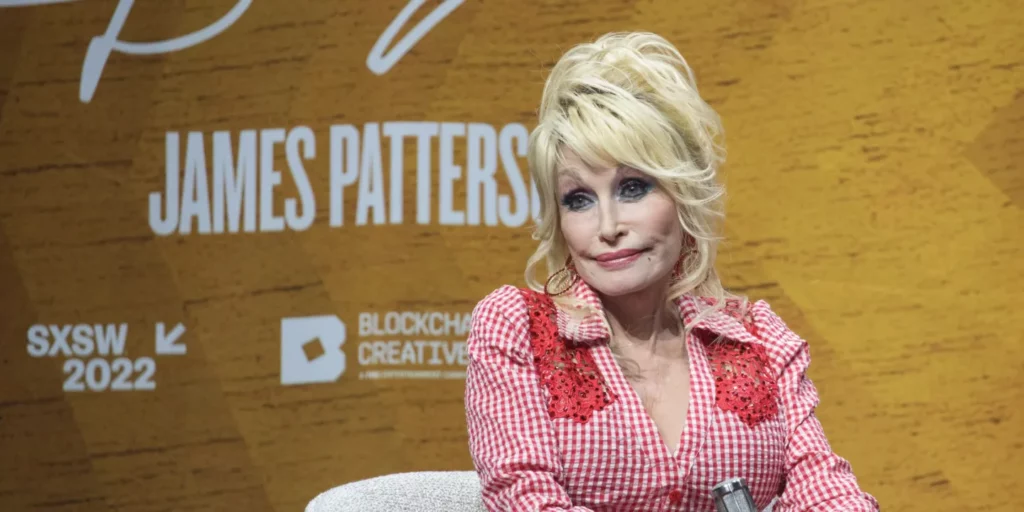
Dolly Parton’s Funeral Song Honored Her Deepest Ties to Faith, Family and Home
Dolly Parton lived much of her life amid fame and spectacle, but the details of her farewell were deeply personal. What became known afterward offered a moving indication of the values she held close until the end.
Although Parton’s own music could easily have filled an entire memorial, she reportedly selected something outside her celebrated catalog. Rare images from the intimate gathering added another private dimension to the story of her final goodbye.
Parton died at 80 after spending decades writing songs that became woven into American culture. For her funeral music, however, she reportedly turned away from her signature hits and toward the gospel tradition that had been part of her life from the start.
The decision reflected the lasting place that faith, family and her Smoky Mountain roots occupied in both her life and public image.
Following a small funeral attended by immediate family, Parton was laid to rest on August 28, 2026, at Woodlawn Memorial Park and Mausoleum in Nashville.
The private service took place three days after she died following a brief battle with cancer. By limiting the ceremony to those closest to her, the family was able to mourn away from the intense public attention generated by her death.
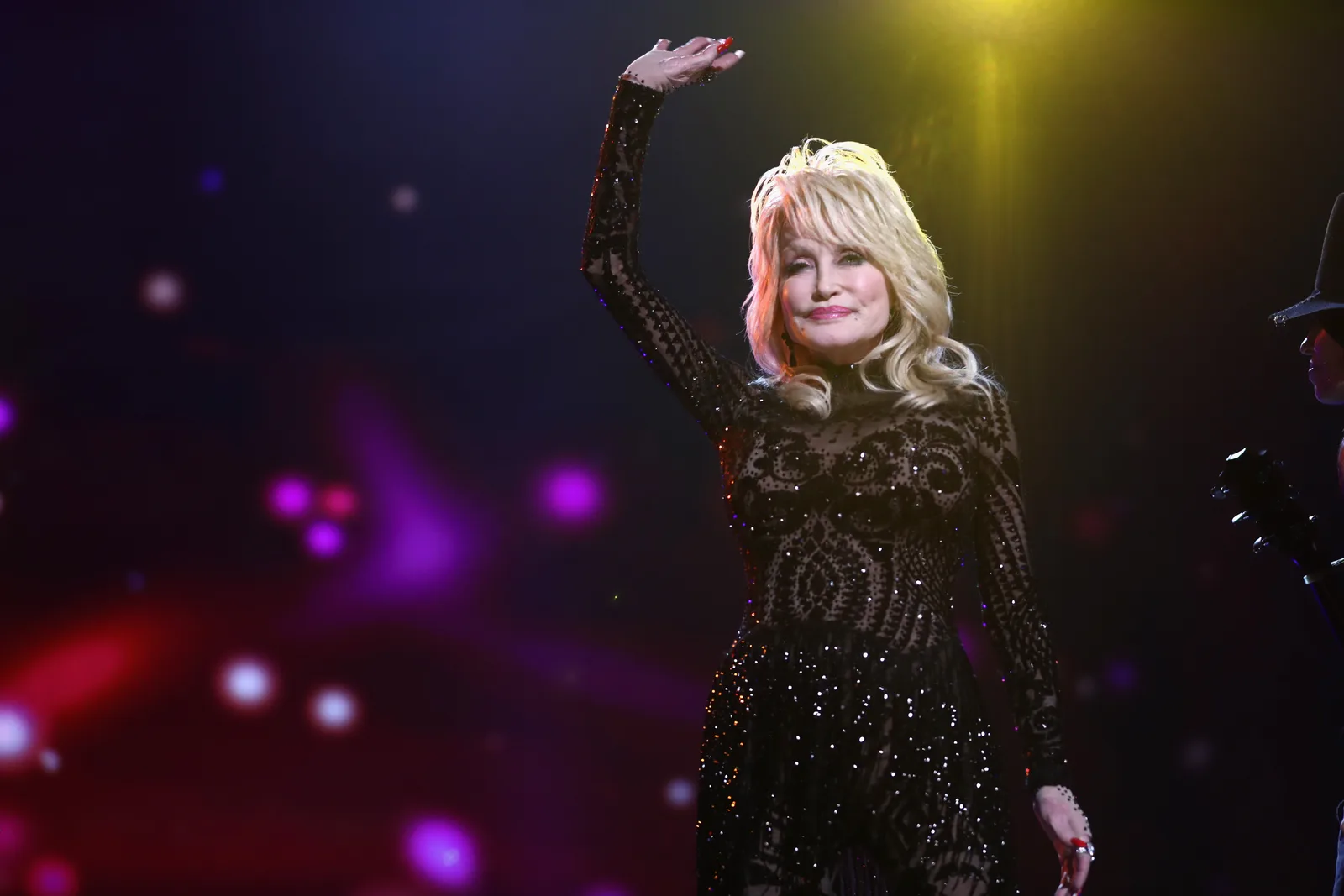
A Private Farewell in Nashville
The Nashville cemetery also made provisions for Parton’s admirers. Velvet ropes and a guest book were placed near the burial site so visitors could pay their respects and leave messages in her memory.
News of her burial after the small Nashville service prompted continued condolences for Parton’s relatives, friends and fans across the world.
Her resting place kept her close to the person with whom she shared nearly six decades of marriage. Parton was buried beside her husband, Carl Dean, who died in March 2025.
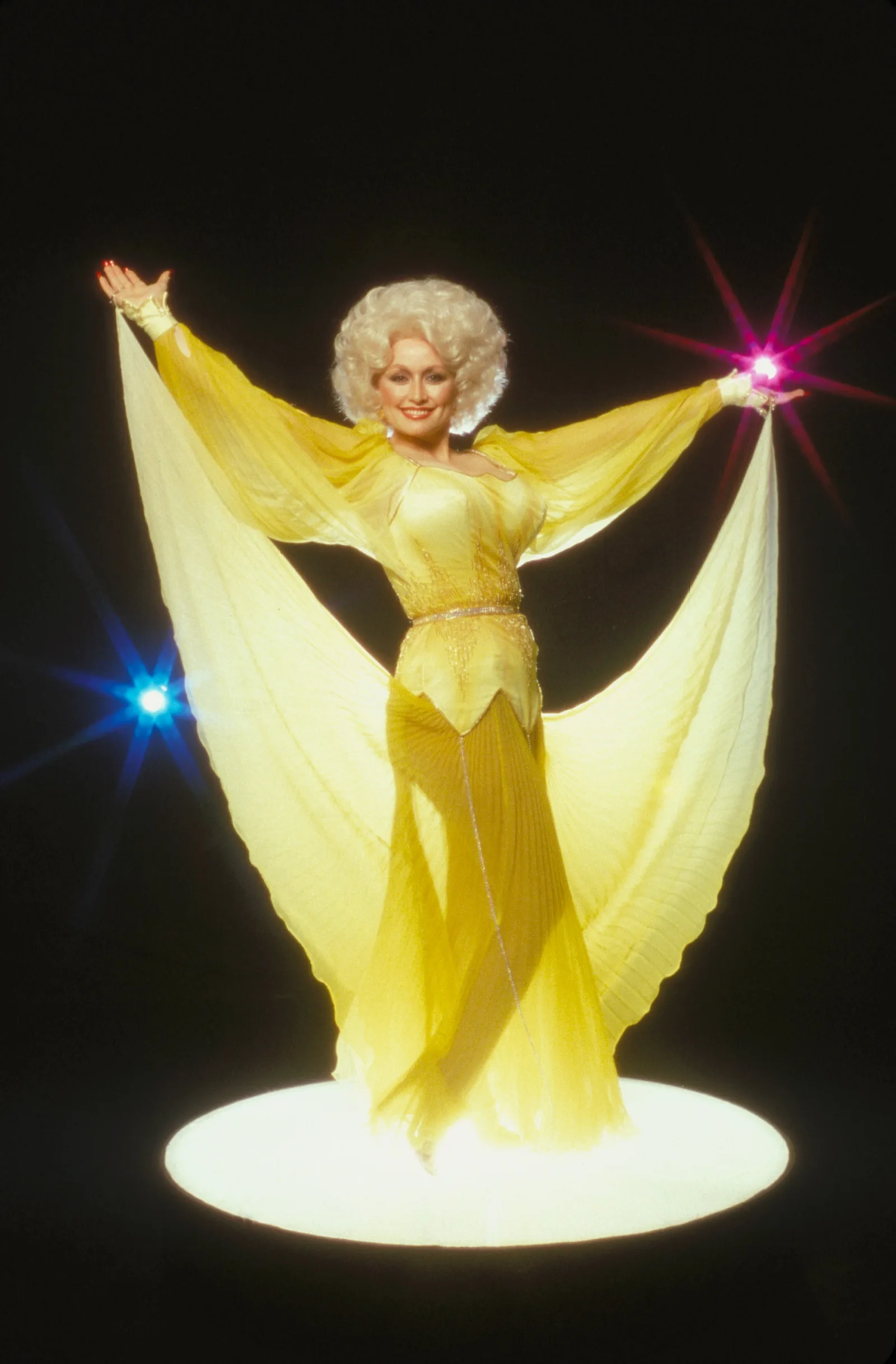
Dean had already been interred in a mausoleum at Woodlawn, where a large plaque bearing both his and Parton’s names had been installed. Several engravings made the marker especially personal.
A Memorial to Their Life Together
The plaque includes images of two homes, one of them Parton’s childhood house in Sevier County, Tennessee. It also displays the couple’s wedding date and two intertwined wedding bands, transforming the marker from a conventional monument into a tribute to their shared history.
Together, those elements create something closer to a portrait of the life Parton and Dean made together than a standard memorial plaque.
The couple married in 1966. While Parton built an extraordinary career in public, Dean generally avoided the spotlight, and their enduring marriage remained one of entertainment’s more private love stories.
Her final surroundings appear to reflect what she valued most: family, marriage and home. No matter how internationally famous she became, Parton continued returning to the Smoky Mountains and the modest upbringing that formed her.
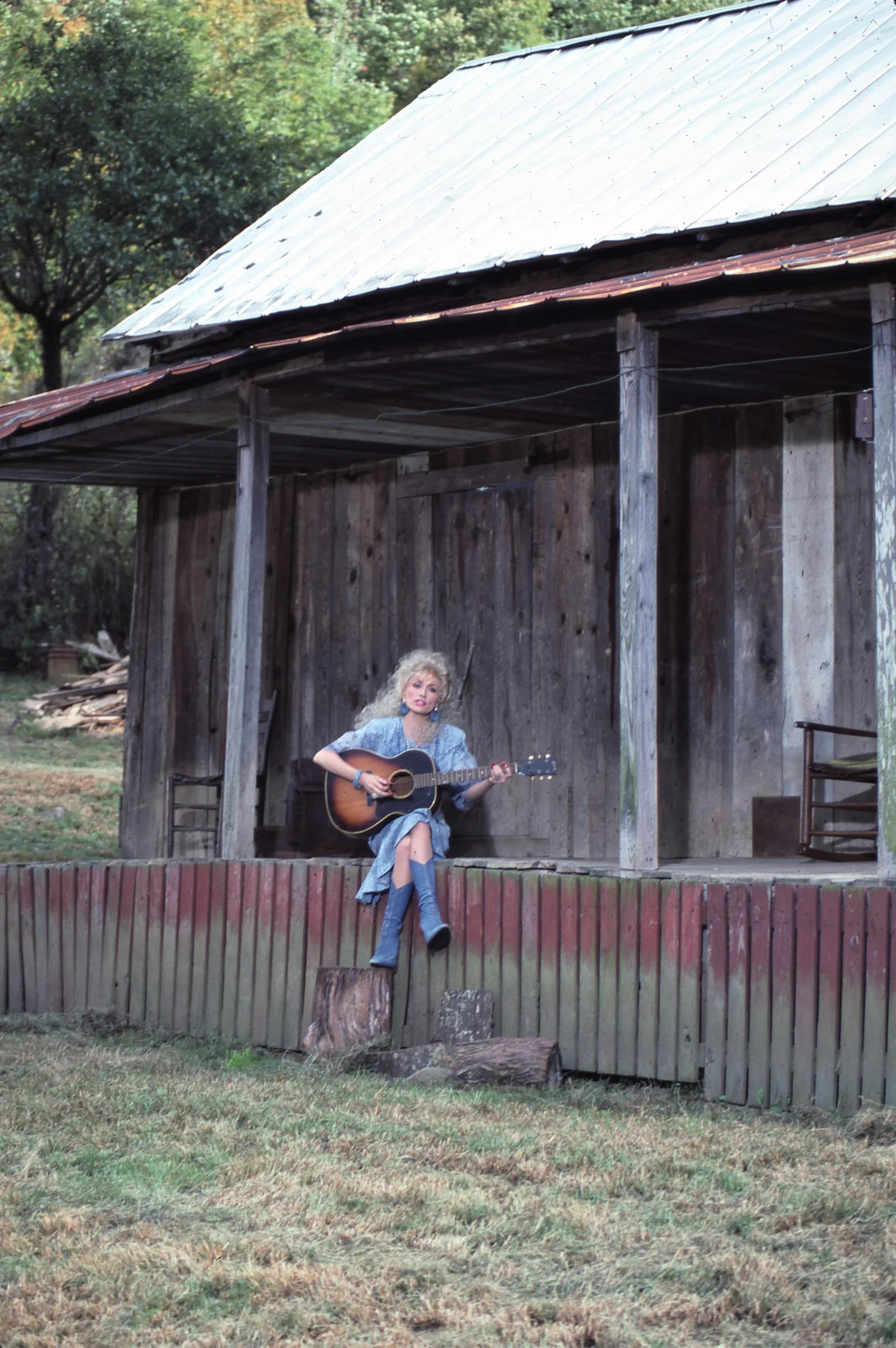
Photos Capture a Small Family Gathering
Recently surfaced funeral photos showed a relatively small gathering of relatives and other mourners. Loved ones were pictured outside, embracing one another as they arrived and left, and the ceremony’s apparent simplicity quickly drew discussion online.
Given Parton’s enormous fame and the many entertainers, artists and public figures influenced by her work, some people had expected a much larger farewell.

One person wrote, "This feels so wrong. Bless her soul." Someone else commented, "I expected a Big service with Celebrities and Leaders paying their last respects," and another asked, "Was Miley there too?"
Those reactions reflected the scale of Parton’s public stature. The images, however, portrayed a much more intimate reality: a family confronting a loss that celebrity could not make less painful.
A reported detail about the music at her farewell helped explain why the occasion appeared so understated.
The Gospel Song Parton Reportedly Selected
Despite owning one of country music’s best-known catalogs, Parton reportedly chose another songwriter’s work as the defining music for her funeral. The selection was "If We Never Meet Again (This Side of Heaven)," a classic gospel composition associated with songwriter Albert Brumley.
Over the years, the song has been recorded by performers including Jerry Lee Lewis, the Chuck Wagon Gang and the Brown’s Ferry Four. Its lyrics address earthly separation while expressing faith in a reunion in heaven.
One of the song’s most affecting passages says, "If we never meet again, this side of heaven, I’ll meet you on that beautiful shore."
That promise would have carried particular weight for Parton, who had already endured the deaths of several people closest to her.
The lyrics may have reminded her of Dean and her late parents. Seen in that light, the choice was less a superstar’s elaborate closing statement than a woman’s personal expression of hope about life after parting.
A Gospel Tradition That Crossed Boundaries
The song’s history gives Parton’s choice further significance. Brumley was born in Oklahoma’s Choctaw Nation area and became known for white gospel compositions such as "I’ll Meet You in the Morning," "Turn Your Radio On" and "Rank Strangers."
His work eventually reached listeners far beyond the cultural and regional setting in which it originated. Black gospel groups including the Five Blind Boys of Mississippi, the Five Blind Boys of Alabama, the Pilgrim Jubilees and the Brooklyn Tabernacle Choir incorporated his famous hymn "I’ll Fly Away" into their repertoires.
Aretha Franklin and Jesse Jackson also recorded "I’ll Fly Away" together. That wider history adds another layer to Parton’s reported selection, connecting it to a gospel tradition that moved across racial, regional and stylistic lines.
"If We Never Meet Again" likewise traveled far beyond its beginnings. The All for Christ Singers recorded the song while blending American gospel hymns with Indigenous Zimbabwean musical traditions. The way its message passed among different communities parallels Parton’s own ability to reach audiences across musical and cultural divides.
Parton’s Personal Link to Brumley’s Music
Brumley’s songs were already familiar territory for Parton. She performed "I’ll Fly Away" in concert, energizing crowds with its promise of freedom and an existence beyond earthly life. Her own body of work similarly connected listeners who might otherwise have been separated by genre.
Whitney Houston’s version of "I Will Always Love You" remains perhaps the clearest example. Parton wrote the song and made it a country hit before Houston reimagined it for an entirely new audience.
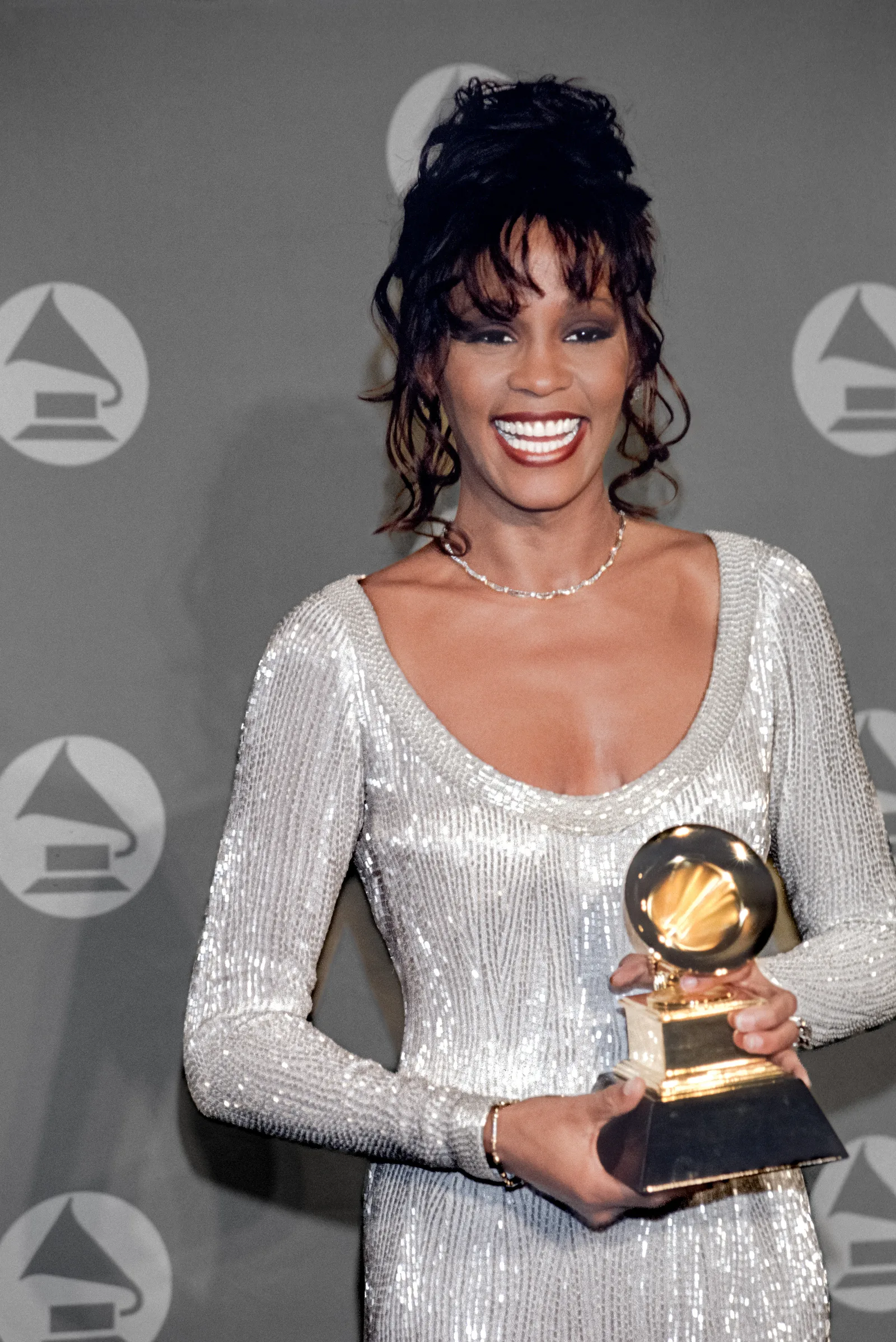
When Houston’s rendition earned a Grammy in 1994, Parton presented her with the award. The moment became a lasting illustration of how Parton’s songwriting could cross genres and generations.
Her reported choice also belongs to a broader tradition of prominent people using funeral music to convey meaning beyond the service itself.
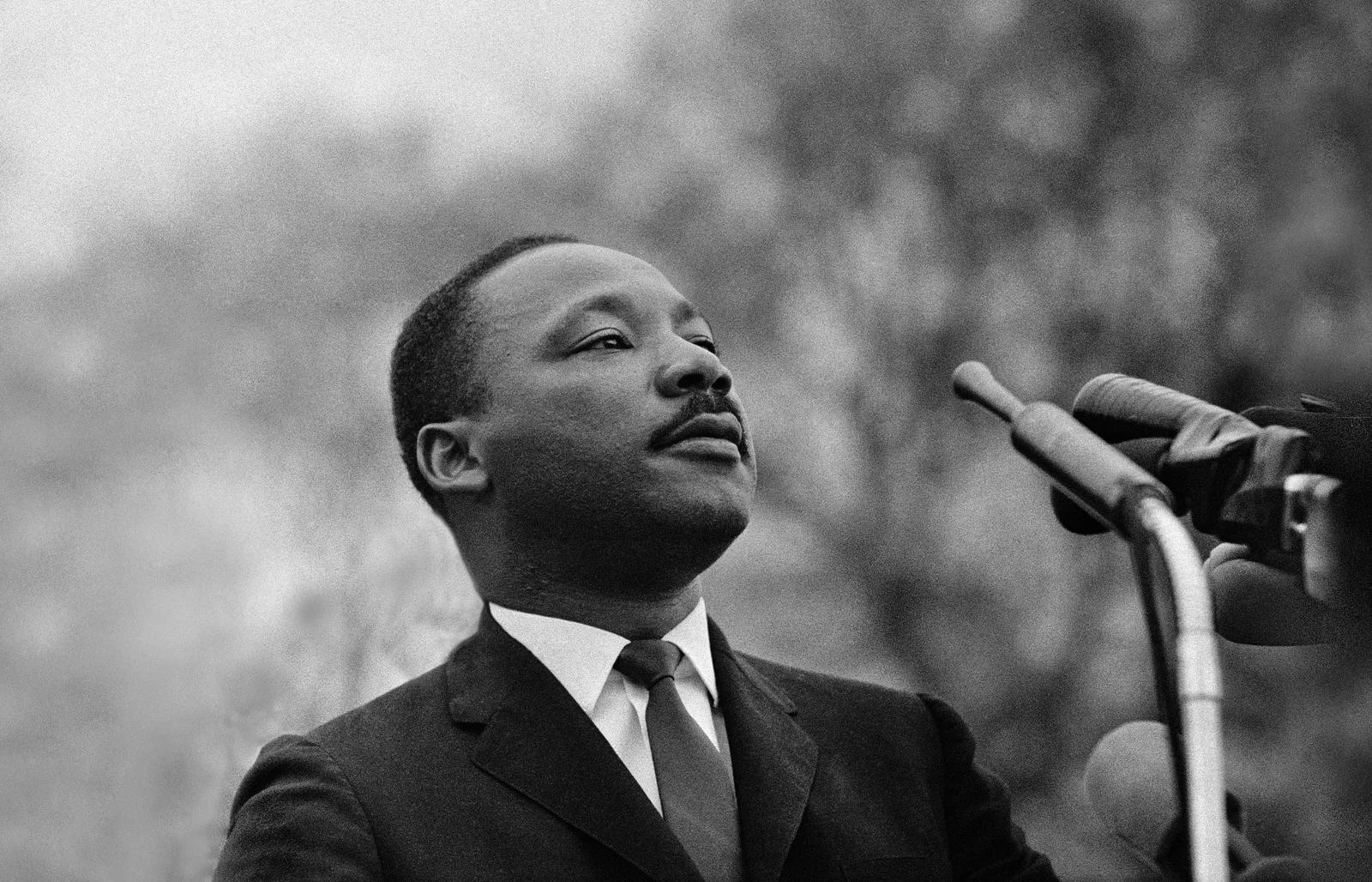
Martin Luther King Jr. selected Thomas Dorsey’s "Take My Hand, Precious Lord." Mahalia Jackson and Elvis Presley famously recorded versions of the spiritual, and Aretha Franklin performed at King’s funeral.
Decades later, Gladys Knight sang "Bridge Over Troubled Water" at Franklin’s funeral. Paul Simon’s celebrated composition was itself influenced by gospel, demonstrating how music at a memorial can carry meaning far beyond the role of accompaniment.
A funeral song can reveal what remained important after the awards, applause, headlines and public identity fell away. Parton’s reported selection aligned closely with the values she had shared with audiences throughout her career.
A Farewell Rooted in Faith and Home
Parton went from a humble Smoky Mountain childhood to worldwide stardom without ever fully leaving her origins behind. By reportedly choosing an old gospel composition instead of one of her own blockbuster songs, she brought that journey back to its beginnings.
The moment did not require "Jolene," "9 to 5" or even "I Will Always Love You" to feel true to Dolly Parton. The message she reportedly favored reached beyond fame, expressing the belief that separation need not be permanent and that lost loved ones may be waiting on another shore.
That context makes the newly emerged funeral pictures even more affecting. Rather than depicting the larger-than-life star familiar from television and concert stages, they show a quieter side of her final farewell.
The images capture the close circle left mourning when one of the world’s most famous entertainers was, above all, a beloved member of a family. Together, the private gathering and her reported gospel selection convey much the same message.
After a life filled with glitter and global acclaim, Parton’s farewell seemingly returned to the foundations that preceded her fame: home, music, faith and family.