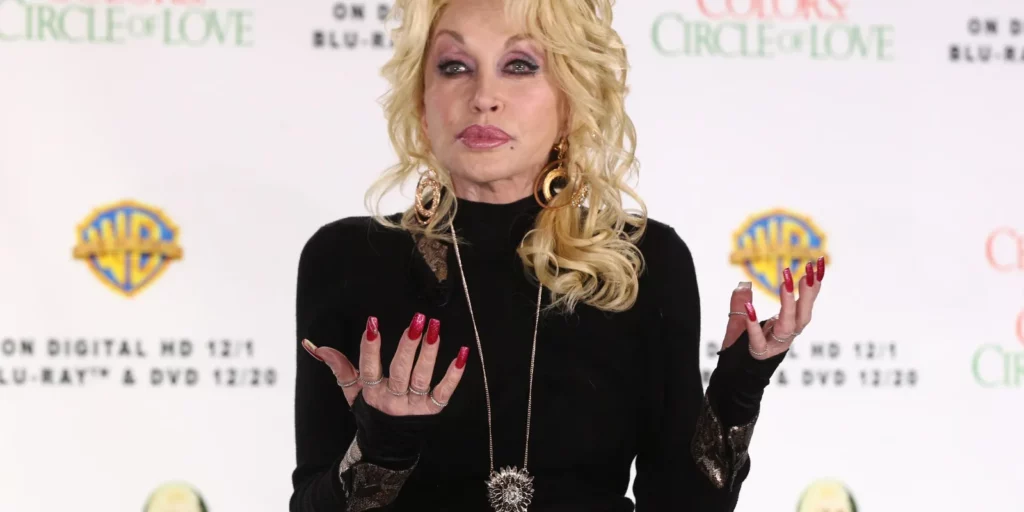
Dolly Parton Remembered in Heartbreaking Tributes From Her Niece and Sister
“My Tuesday morning coffee time will never be the same, but her love, respect and goodness will remain.” One of Dolly Parton’s sisters shared those painful words as the country icon’s family began adjusting to life without her following a private funeral in Nashville.
Tributes from Dolly’s loved ones have shown what she meant to them beyond the rhinestones, hit records and international stardom. Within her family, she occupied a deeply personal and irreplaceable place.
On August 29, great-niece Lainey Mae Parton posted an emotional tribute after waiting until Dolly had been laid to rest to express her grief.
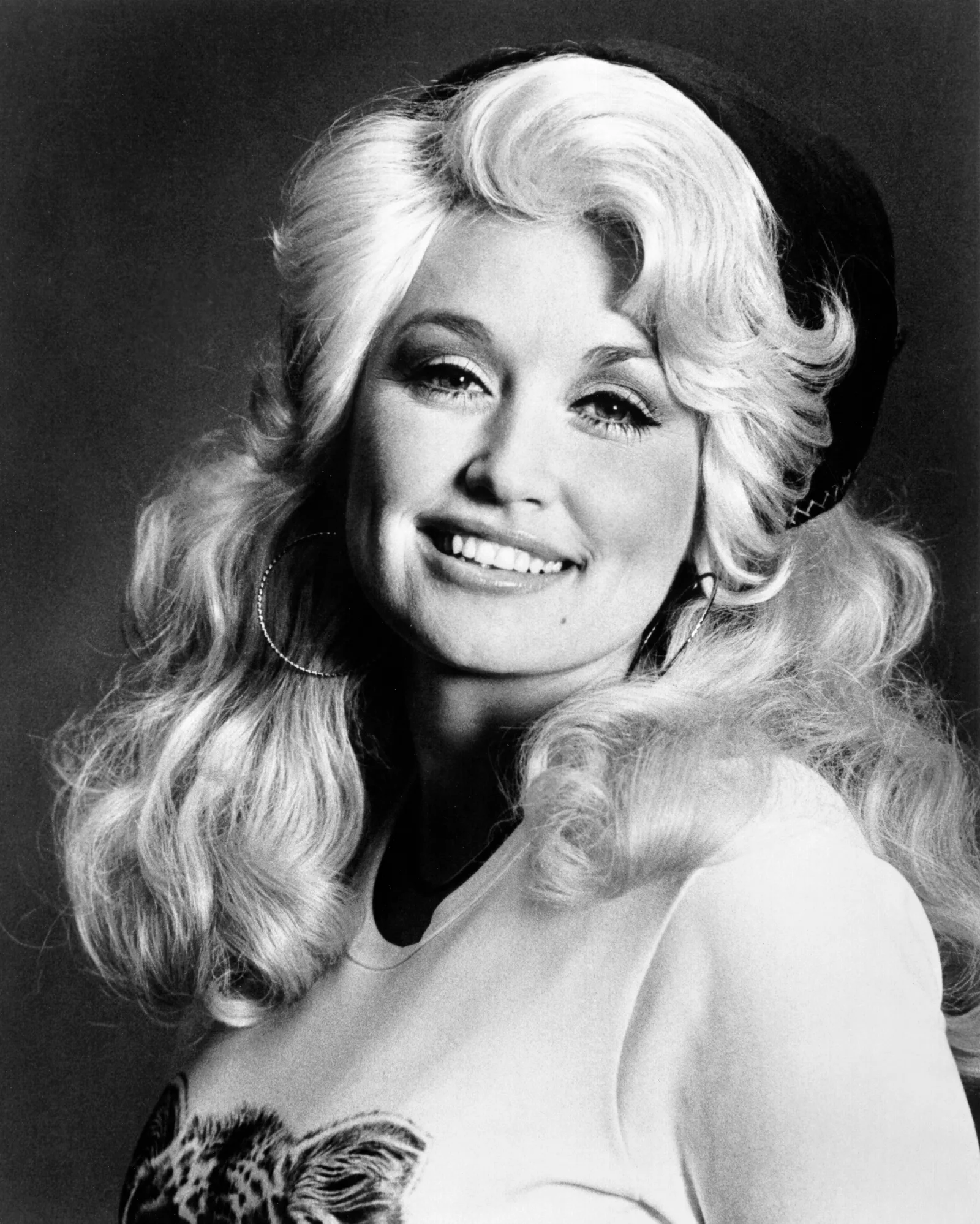
Lainey Remembers Her “Granny”
“This is a really hard post for me to make. I wanted to wait until after my granny was laid to rest yesterday before I tried to put any of this into words.”
Lainey said Dolly had encouraged her ambitions since childhood. “She never made my dreams feel too big or made me feel like I couldn’t do something,” she wrote. “She believed in me before I even knew how to believe in myself.”
That faith was reflected in Dolly’s actions as well as her words. When Lainey chose beauty school instead of college, her aunt did not challenge the decision.
Dolly embraced Lainey’s plans and helped her turn them into reality.
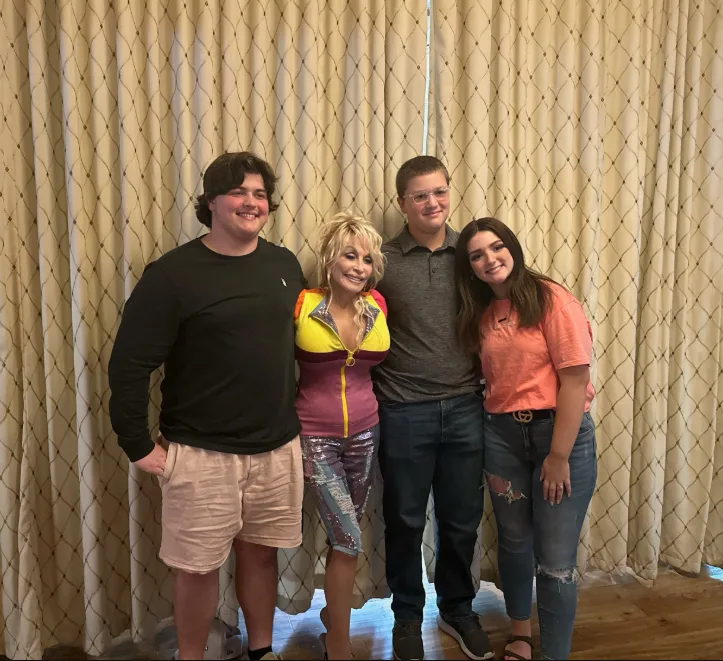
Memories Made Through Music
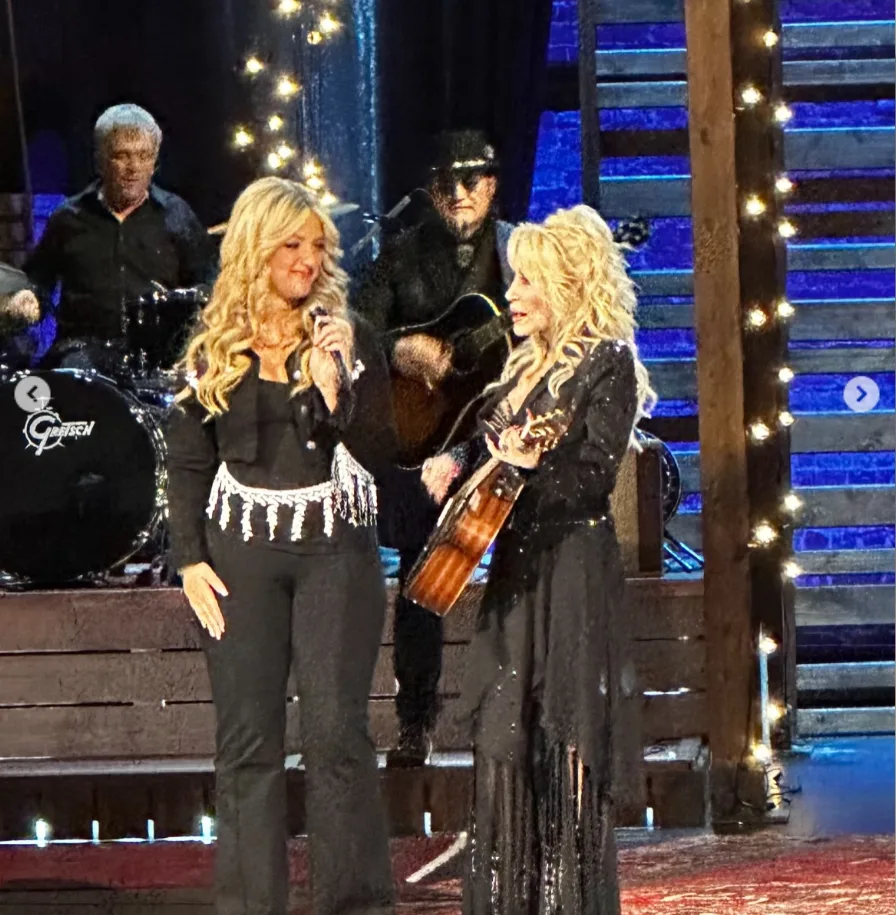
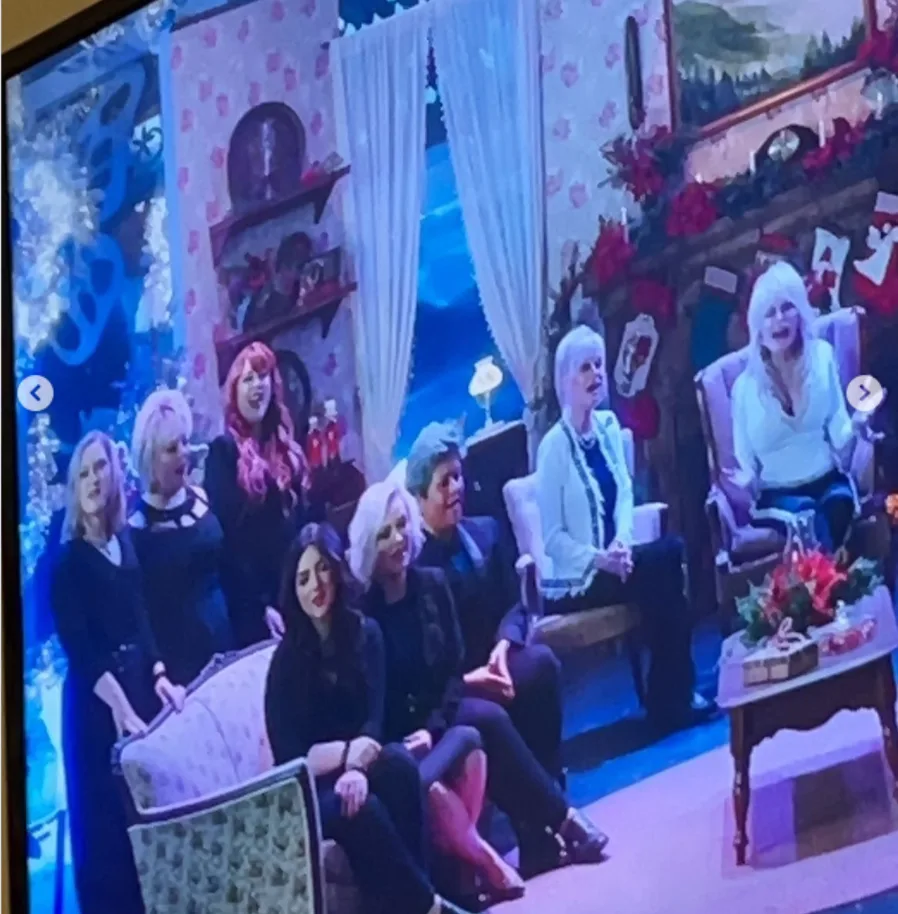
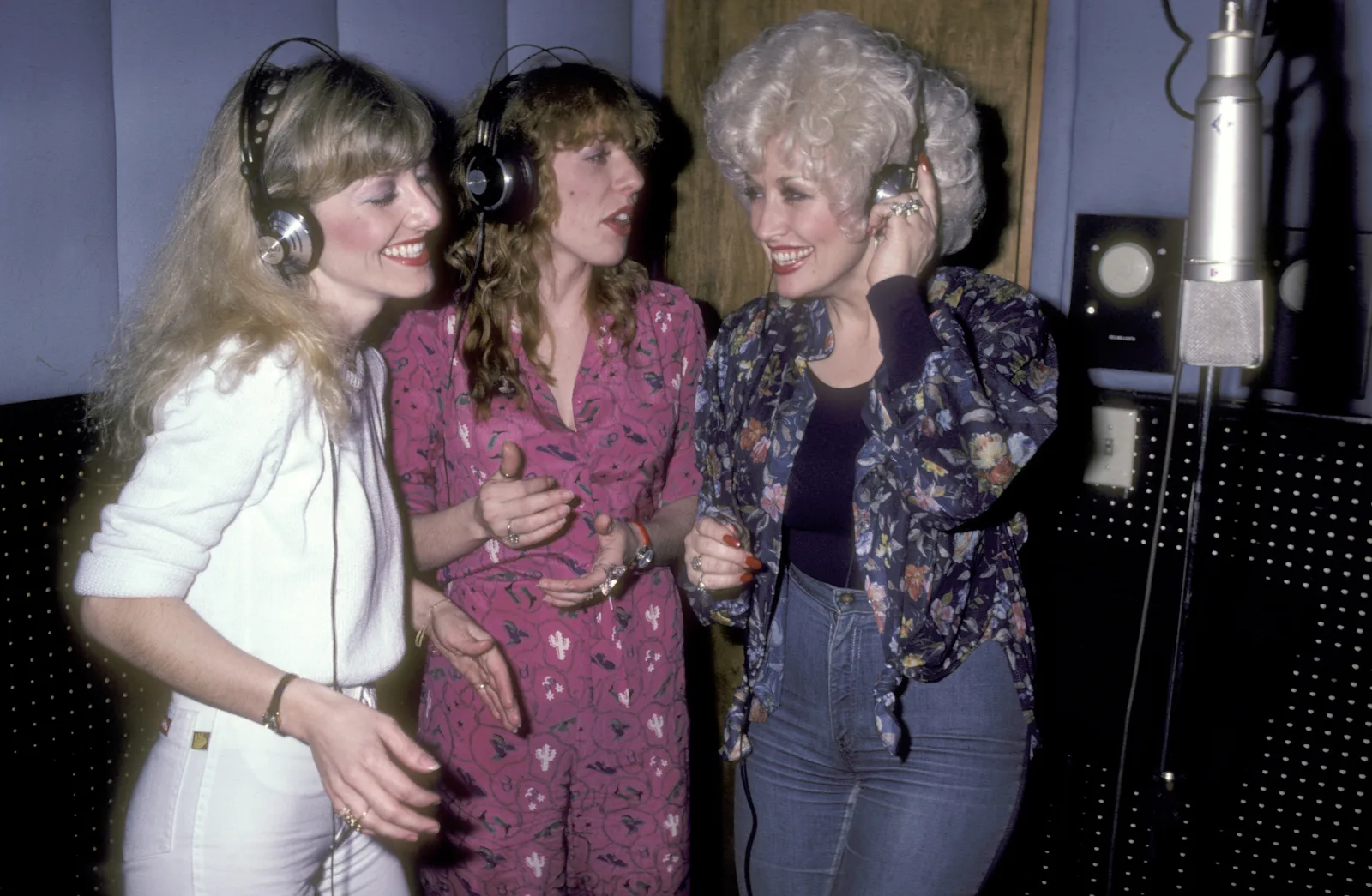
During Lainey’s freshman year of high school, Dolly invited her to sing on the Smoky Mountain DNA album. Although Lainey remembered feeling “SO nervous,” she said her aunt knew how to put her at ease and give her confidence.
The project traced the histories of the Parton and Owens families and brought Dolly together with several relatives, Lainey among them. Lainey joined her aunt for “Be Your Own Man,” a song written by Dolly.
Following Dolly’s death, those experiences took on even greater meaning. “I’m so thankful I said yes to the opportunities and memories I got to share with her as my Aunt Dolly, including being in a movie with her,” Lainey wrote.
Lainey said she was grateful to have recordings and keepsakes she could see, hear and hold whenever she longed for her aunt. Yet her deepest sorrow centered on the everyday parts of their relationship that could never be replaced.
“It still doesn’t feel real that she’s gone. I’m going to miss her voice, her laugh, her hugs, and just knowing she was there.”
One detail made the loss especially poignant: “I’m even going to miss those 4 AM calls, and I’d give anything to see her name pop up on my phone again.”
Why Dolly Was Known as “Aunt Granny”
Lainey closed her message with the affectionate family title she had used throughout, one that captured Dolly’s role in her life.
“I feel incredibly lucky that I got to call her my granny. Thank you for always believing in me, loving me, and making me feel like I could do anything.”
“I love you, Granny. Always. 🤍” The name reflected a longstanding family tradition. Dolly previously said her nieces and nephews called her “Aunt Granny,” recognizing the motherly presence she provided despite not having children herself.
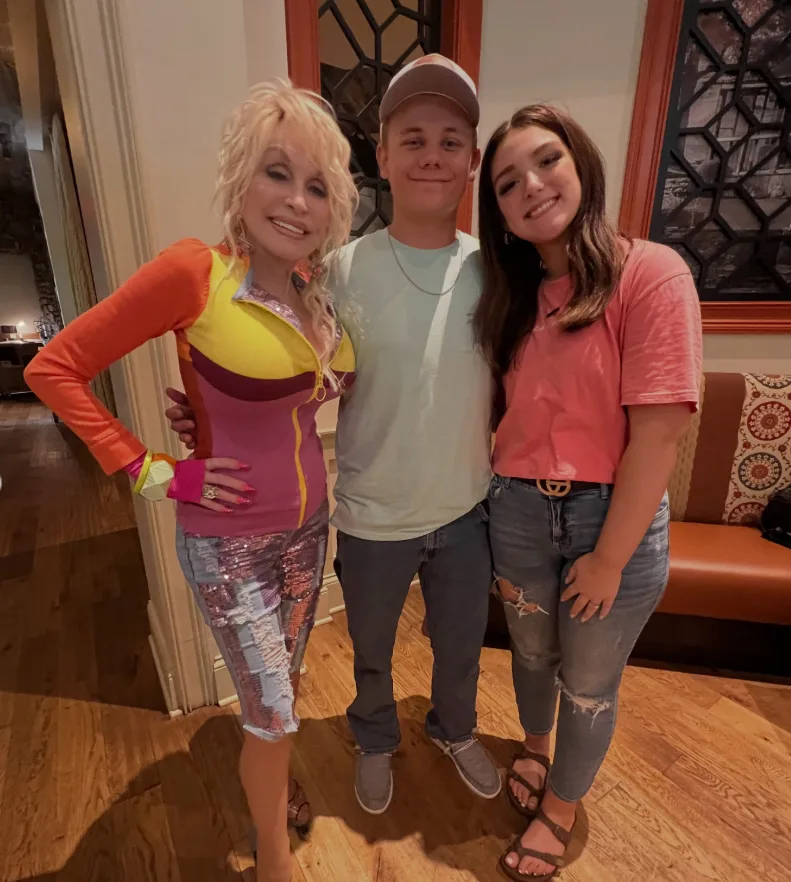
Dolly once explained that several younger siblings lived with her when she was young, and she later came to regard their children as grandchildren. “I’ve loved their kids just like they’re my grandkids, and now I’ve got great-grand-kids!”
“They call me ‘Aunt Granny,’” Dolly said. She added, “I often think, it just wasn’t meant for me to have kids so everybody’s kids can be mine.”
Her nurturing spirit also reached far beyond her relatives. Since launching Dolly Parton’s Imagination Library in 1995, she supplied free books to preschool children and formed an enduring bond with generations of young readers.
“I think kids relate to me because they think of me like a Mother Goose or a Fairy Godmother,” Dolly once observed. For Lainey, that caring nature was not an image but a lived experience, and her words showed that Dolly’s support went well beyond simple encouragement.
Dolly’s sister Freida Parton offered another deeply personal farewell that same day.
Her Sisters Share Their Private Loss
While Freida understood that millions were mourning a superstar, she knew Dolly in a very different way. “I know to the entire world, she was a superstar, but to me, she was my Dolly Momma.”
Freida looked back on childhood nights when Dolly climbed into bed with her because neither sister liked the dark. She also remembered Dolly urging her to wear her wigs for Dollywood performances, a suggestion Freida jokingly said she refused. Her tribute then revealed the much more significant role Dolly played in her upbringing.
“She was the woman who stepped up and became my Momma, raising me from ages 13 to 18.”
That recollection illuminated a part of Dolly’s life that could be overshadowed by her enormous career. During crucial teenage years, Freida saw her not only as a famous older sister but as the person who took on a parent’s responsibilities.
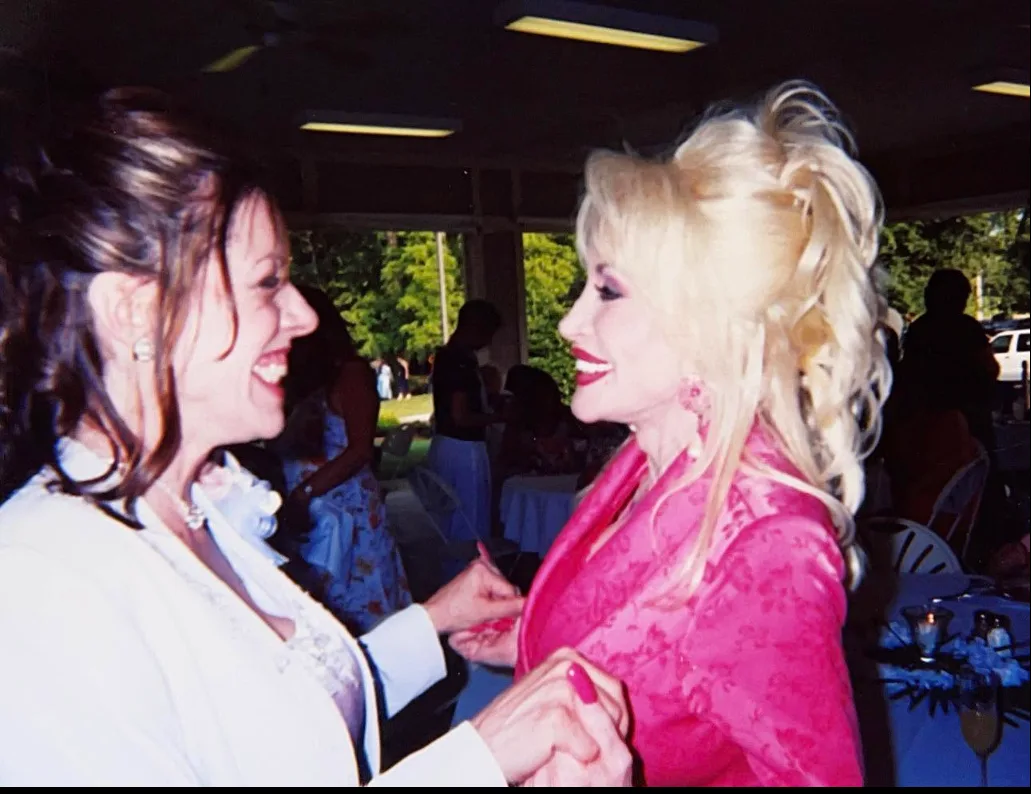
Freida also acknowledged that their bond had its difficult periods. They fought and disagreed as sisters do, but none of those conflicts diminished how much she loved Dolly.
“Like all sisters, we definitely had our share of arguments and disagreements throughout the years, but even through all the highs and lows, and all the laughter and tears, I never stopped loving her.”
Freida described Dolly’s death as an “insurmountable loss.” She asked those who once prayed for her sister to direct those prayers toward the surviving family as they learned to continue without her. “There will never be anyone who can replace her in our hearts, and I know she holds a special place in many of yours as well.”
She also revealed that she was creating something special to honor Dolly. Freida characterized the project as a way to keep “a little piece of my Dolly Momma” close while sharing her sister with everyone who cherished her.
Another sister, Stella Parton, remembered a simple ritual the pair had maintained for years: early Tuesday phone conversations accompanied by coffee.
Stella said they talked before daybreak, trading family news over coffee and discussing their plans.
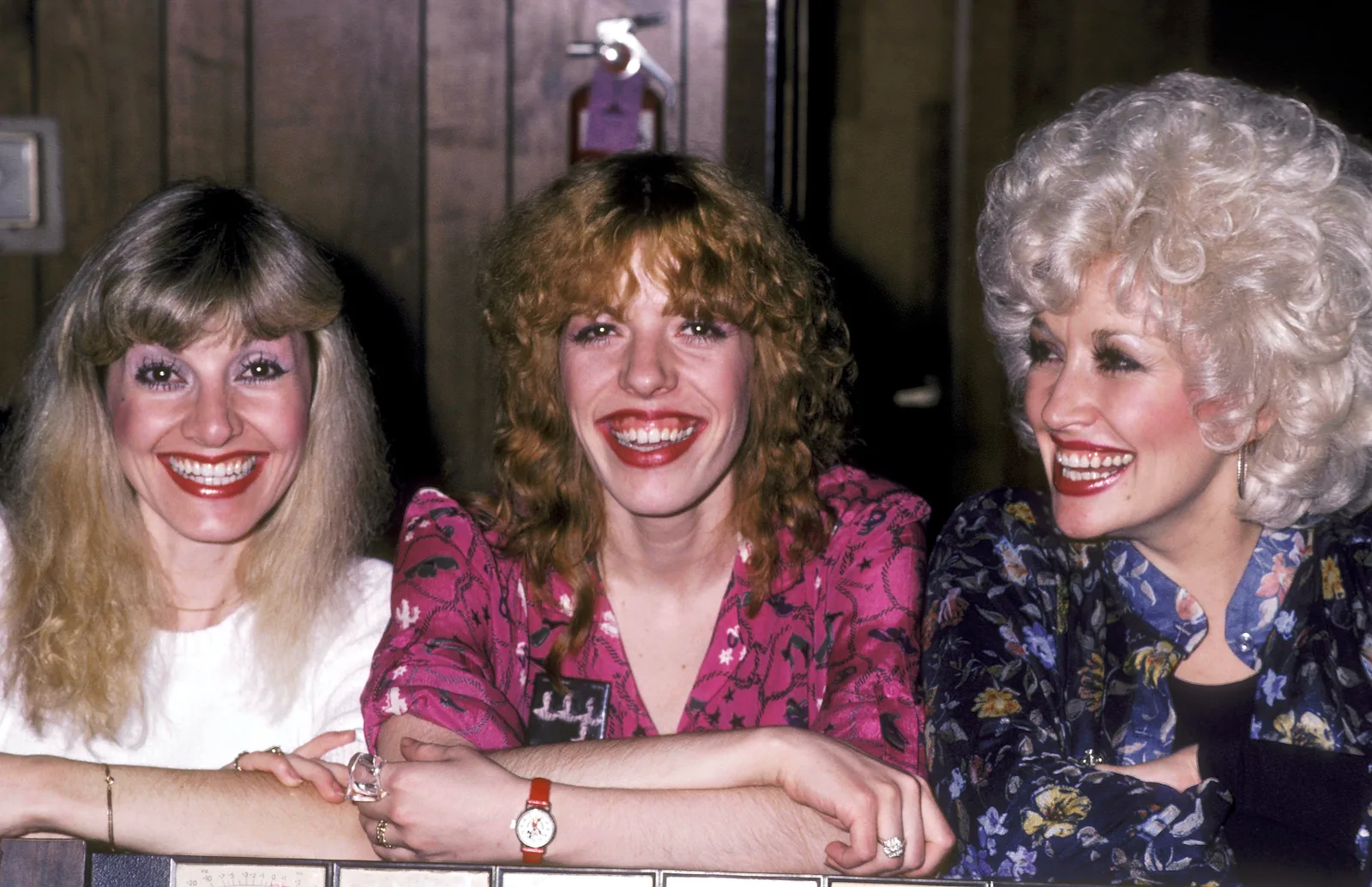
Dolly would tell her, “shoot Tedda we get more work done before the sun comes up than most folks do all day long!” Stella called her sister “one of the most generous, thoughtful and kind people” she had known.
Despite the scale and spectacle of Dolly’s public life, her relatives repeatedly focused on intimate memories: predawn calls, fears shared in childhood, warm embraces, education, aspirations and the reassurance of her presence.
Niece Rebecca Seaver shared her own remembrance on August 26, calling Dolly her “most trusted confidant,” “best friend,” “favorite adventurer,” “name-giver,” “godmother” and “precious Aunt Granny.”
“Today, the grief we feel is insurmountable because of the enormous amount of love we all have for Dolly Rebecca Parton,” Rebecca wrote.
Rebecca continued, “We all wanted to be better versions of ourselves for her sake, and I hope we all continue to do just that.” By the time the public tributes appeared, Dolly’s family had already gathered privately to say goodbye.
A Private Funeral in Nashville
Dolly was buried at Woodlawn Memorial Park and Mausoleum on August 28 after an intimate service attended by immediate relatives.
Her resting place reunited her with Carl Dean, her husband for nearly six decades, who died in March 2025. A large plaque displaying both names had already been installed on their mausoleum.
The memorial features two engraved houses, one representing Dolly’s childhood home in Sevier County, Tennessee. Their wedding date and interlocking wedding rings are also included.
For someone whose existence became so extraordinary, the final tribute was strikingly personal. Velvet ropes and a guest book were placed at the site so fans could visit and record messages in her memory.
Dolly had discussed her preferred funeral music more than a decade earlier. In a 2014 interview, she recognized that people might anticipate hearing “I Will Always Love You,” especially because Whitney Houston’s recording had become closely linked with memorials and funerals.
Her own choice, however, was different. “But there’s a song called ‘If We Never Meet Again.’ It’s an old country-gospel church song that talks about if we never meet again this side of heaven, I will meet you on that beautiful shore.”
The hymn carried special meaning because it was her father’s favorite and had been sung at his service. “That was my daddy’s favorite. We did sing it at his funeral, and I would like it to be sung at mine.”
Woodlawn also placed Dolly close to Porter Wagoner, an essential figure in the beginning of her Nashville career. Porter, who is buried there as well, helped propel her rise after she joined The Porter Wagoner Show in 1967. They worked together professionally for seven years.
When Dolly chose to depart the program and build an independent career in 1974, the painful separation led her to write one of her defining songs.
Dolly later said “I Will Always Love You” allowed her to communicate feelings she could not convey directly to Porter. “I just remember sitting down that night, I thought, ‘Well, I’ve got to do something because my heart’s breaking and his is, too, and I can’t fight about it anymore,’” she recalled.
“I just started, you know, writing what was coming out, like ‘If I should stay / I would only be in your way / So I’ll go, but I know I’ll think of you every step of the way / And I will always love you.’ It just came out.”
According to Dolly, she completed the song in under an hour.
It went on to rank among the most significant works in her catalog and ultimately became one of popular music’s best-known songs.
Dolly also recounted the day she returned to Porter and performed the newly written song for him. She explained in footage from Ken Burns’ Country Music documentary that she relied on songwriting after realizing spoken explanations were getting nowhere.
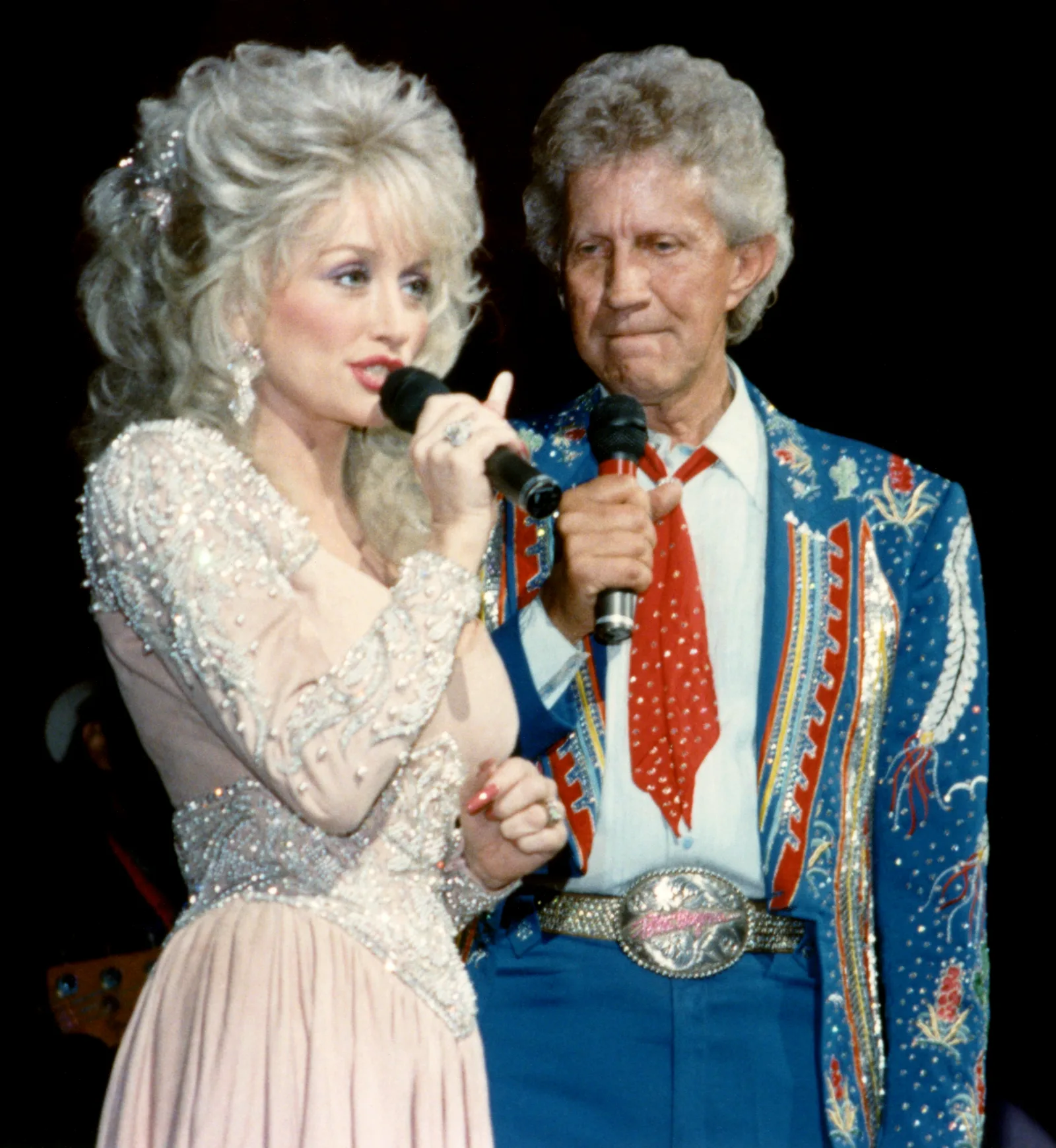
“He was going to sue me, he was going to do this, he was going to do that. And so, I went home. I thought, he’s not going to listen to me because I’ve said it over and over. And so, I thought, do what you do best. Just write a song.”
She brought the composition to him the next day. “So, I wrote the song, took it back in the next day, and I said, Porter, sit down, I got something I have to sing to you. So, I sang it, and he was sitting at his desk, and he was crying. He said, ‘That’s the best thing he ever wrote. Okay, you can go, but only if I can produce that record.’ And he did, and the rest is history.”
Burns placed the song in a wider historical context. “Yes, it’s her declaration of independence from Porter Wagoner, and it’s an amazing one. I had, of course, heard, as most of us had, the Whitney Houston version, which is so spectacular and diving deep into country music to learn the sort of heart of this story was magnificent.”
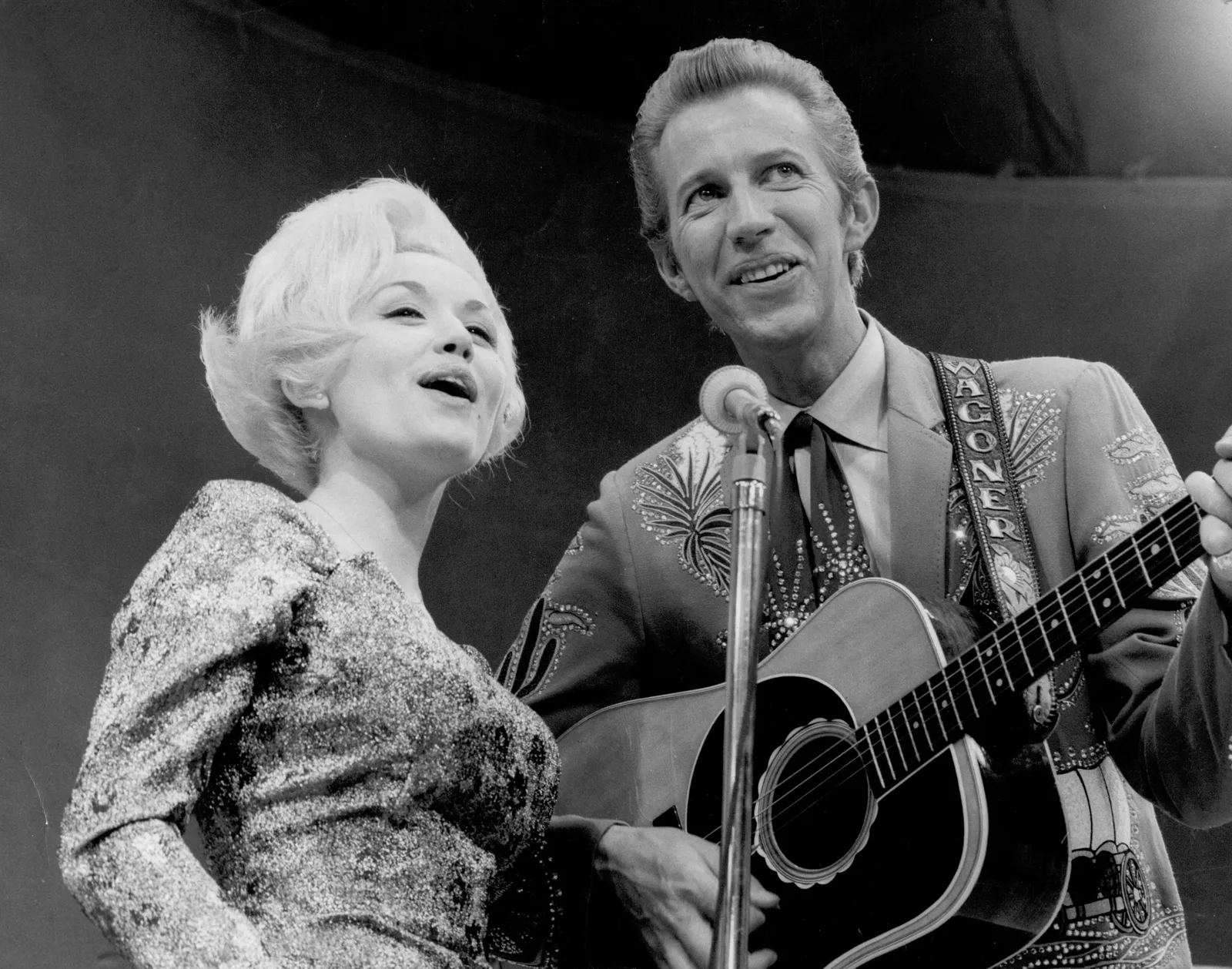
Looking back, Dolly likened the distressing end of their working partnership to a marriage falling apart.
“Well, yes. In fact, I just — well, we’ve been friends since then. At that time, though, it’s like any of those messy split-ups. It’s like a marriage of some sort.”
Elsewhere, Dolly spoke even more plainly about the feelings behind the song. During WorkLife with Adam Grant, she said she wrote it while attempting to escape a “bad relationship,” making clear that she meant her professional arrangement with Porter.
Still, the anger and hurt accompanying their split did not become the final word on their relationship.
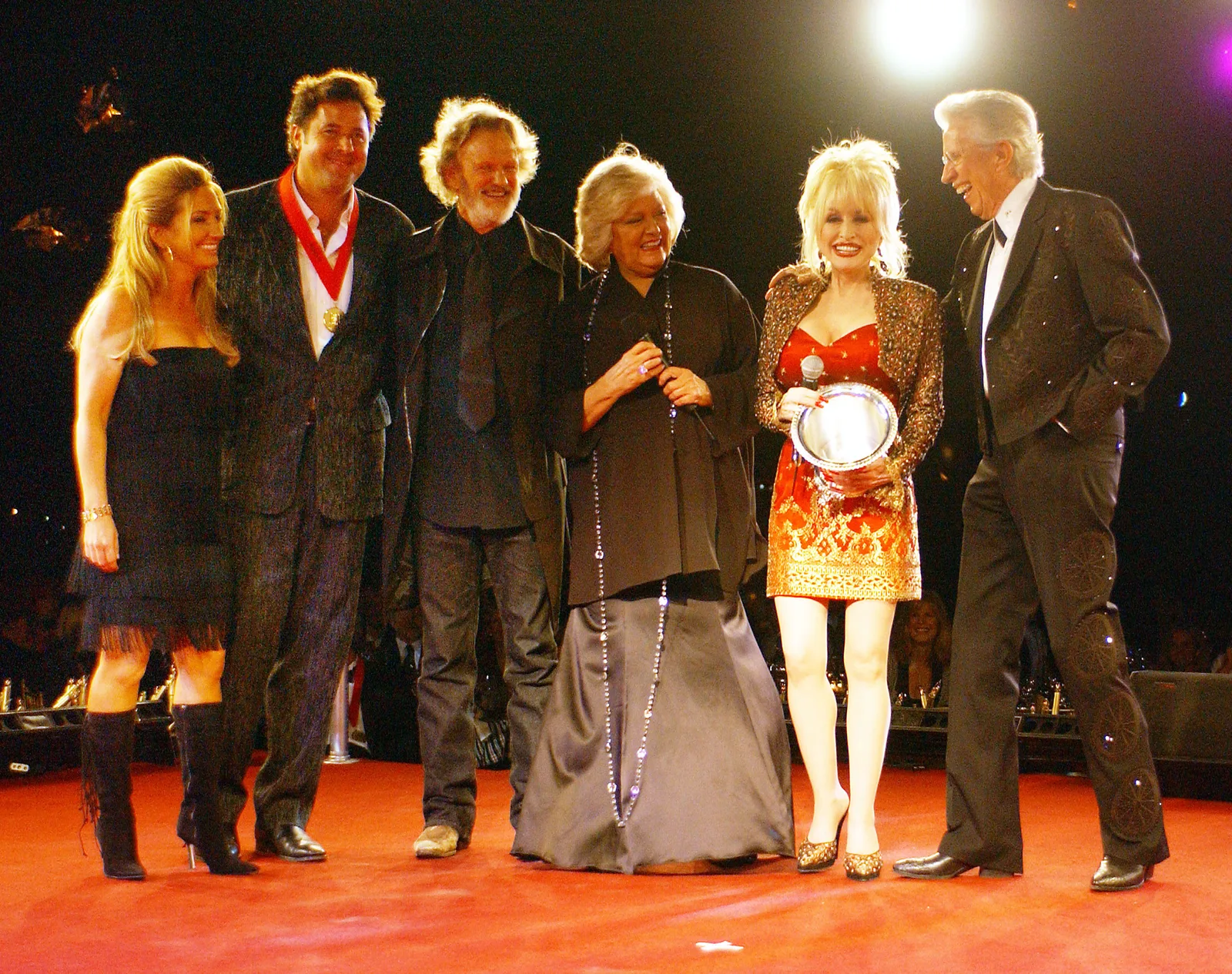
In a 1983 interview, Porter spoke candidly about Dolly and the lawsuit that followed their separation, insisting he held no resentment over her departure. “I love the woman. I’m not bitter that she left me. That’s what she and I worked for. She’s a beautiful lady. We had a difference in a litigation of contract.”
Their eventual reconciliation gives Dolly’s burial near Porter added resonance. Her Nashville story began when she arrived as a young dreamer hoping for stardom; now, at Woodlawn, several important parts of that journey have come together in one place.
Her Final Months
Dolly died at Vanderbilt-Ingram Cancer Center in Nashville on August 25, 2026.
Her nephew Bryan Seaver announced the news in a video, explaining that Dolly had asked him years before to be ready for that responsibility.
Only days earlier, Dolly had publicly addressed both her health and the work she still hoped to do. She postponed a Las Vegas residency scheduled for September 2025 after physicians recommended several medical procedures. In May 2026, she canceled the performances but assured fans that treatment was working and she was improving.
Shortly before she died, Dolly said some of her own medical needs had gone unattended while she cared for Carl ahead of his March 2025 death. Bryan also spoke about the immense weight of announcing the loss of someone whose professional interests he had safeguarded for decades.
Bryan concluded by sharing his belief about where Dolly had gone.
“It is an honor, an honor that is mixed with absolute pride and great sadness. But sadness lies with us, not with Dolly. Dolly has lived in the light and is in the arms of Jesus, surely met by Carl, her parents, and countless others who have watched her and longed to meet her in the heavens.”
After her loved ones gathered for a private farewell, Dolly returned to the Nashville landscape that played such a central role in her remarkable life.