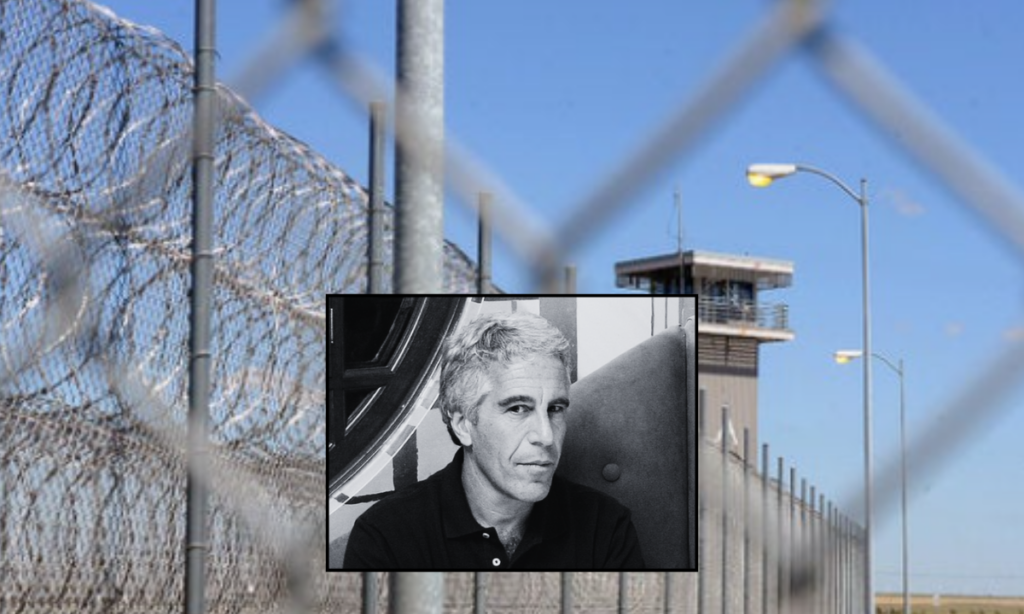
Days Before His Death, Jeffrey Epstein Claimed He Would Never Take His Own Life
Newly released documents have revealed unsettling details about Jeffrey Epstein’s mental state in the days leading up to his death, raising renewed public interest in one of the most controversial cases of the past decade.
Just days before he was found dead in his jail cell in August 2019, Epstein reportedly told prison officials that he would never take his own life, citing his religious beliefs as the primary reason. According to internal prison records, Epstein stated that suicide was strictly forbidden in his Jewish faith, a belief he said he took seriously.
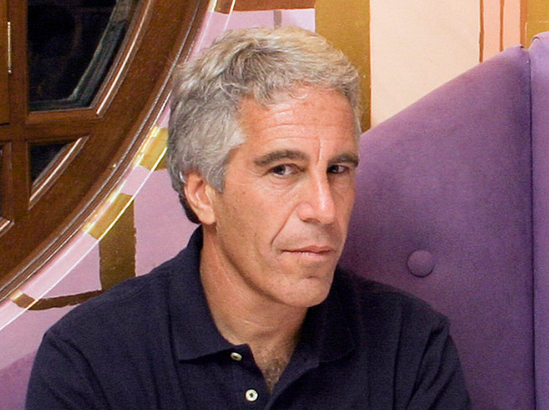
Psychological Evaluations Raised Few Immediate Red Flags
Documents from Epstein’s time at the Metropolitan Correctional Center in New York provide insight into how officials assessed his mental condition. A suicide risk assessment conducted on August 1, 2019, categorized his overall suicide risk as “low.” The report noted that Epstein denied feelings of hopelessness and expressed what were described as positive future plans and reasons to live.
Earlier psychological observations also indicated that Epstein disliked physical pain and had no history of intentionally harming himself, according to evaluators. During one assessment, he reportedly stated that he would never attempt self-harm under any circumstances.
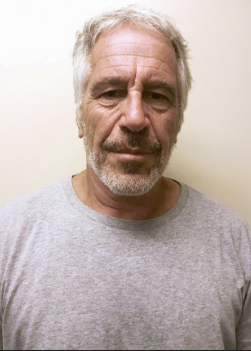
Conflicting Signals Inside the Jail
Despite these evaluations, prison notes referenced a possible incident in late July 2019 that raised concerns among staff. When questioned about that event, Epstein reportedly claimed he could not recall what had happened, attributing the lapse in memory to sleep-related medical issues.
Still, multiple evaluations conducted in the days that followed recorded Epstein denying any suicidal thoughts, including one just two days before his death. Officials documented that he appeared psychologically stable at the time.

Death That Sparked Global Controversy
On August 10, 2019, Jeffrey Epstein was found dead in his cell. His death was officially ruled a suicide, but the circumstances quickly ignited widespread public skepticism, intense media scrutiny, and numerous investigations.
The recent release of additional justice department documents—many heavily redacted—has once again fueled debate. While transparency laws mandated the release of investigative materials, sensitive information was withheld to protect victims’ identities.
Unanswered Questions Remain
More than five years later, Epstein’s death continues to provoke unanswered questions. The contrast between documented assessments describing him as low risk and his eventual death has kept the case firmly in the public spotlight.
As new records emerge, they offer context—but not closure—to a case that remains one of the most disturbing and controversial in modern criminal history.