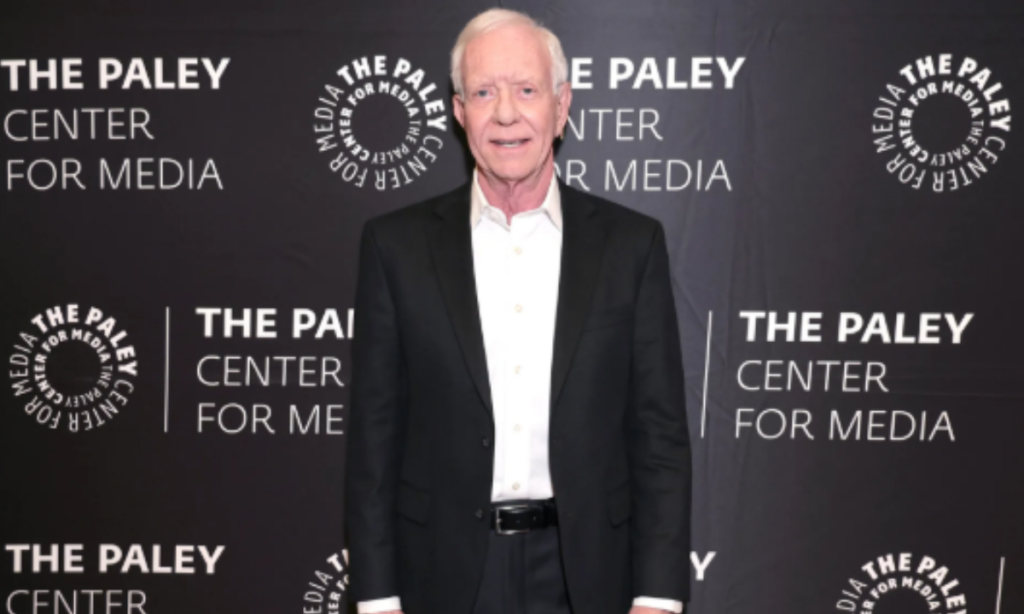
Captain Sully Sullenberger: Life 16 Years After Miraculous Hudson River Landing That Saved 155 Lives
Legendary pilot reflects on extraordinary emergency landing while building second career as aviation safety advocate and grandfather
Essential Overview:
- Chesley “Sully” Sullenberger successfully ditched disabled aircraft in Hudson River on January 15, 2009
- All 155 passengers and crew survived unprecedented emergency water landing
- Retired pilot now focuses on speaking engagements, safety advocacy, and family life
Personal Reflection on Anniversary
More than a decade and a half after executing one of aviation history’s most remarkable emergency landings, Captain Chesley “Sully” Sullenberger III continues processing the profound significance of that January day. In a January 2026 Facebook reflection, he described how the anniversary intertwines with family celebrations.

“January has always been eventful in our household,” he wrote. “It includes both our daughters’ birthdays and then, much to Lorrie’s dismay, my own. In 2009, the Hudson River landing literally occurred amid all of that.”
The retired aviator continued: “These personal milestones and that extraordinary day now converge annually. One looks forward to what’s coming, the other reflects on a day that tested everything I knew and everything I’d prepared to accomplish.”
The Miracle on the Hudson
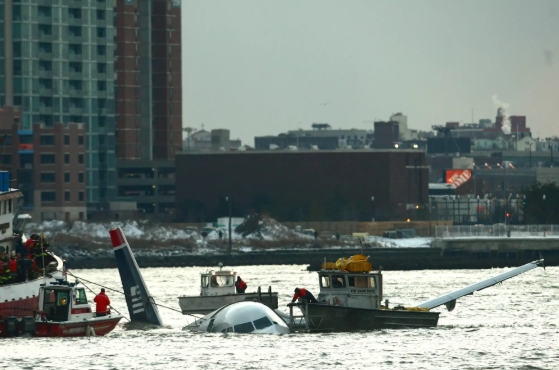
Labeled the “Miracle on the Hudson,” Sullenberger safely brought US Airways Flight 1549 down on New York City’s waterway after bird strikes disabled both engines. Despite the unprecedented emergency circumstances, all 155 passengers and crew members survived, establishing the Air Force veteran’s permanent position in aviation history.
Following the incident, Sullenberger resumed work eight months later and continued until his 2010 retirement. Subsequently, the former pilot became a prominent aviation safety voice and authored two books, one adapted into a Clint Eastwood-directed film featuring Tom Hanks.
The Emergency Incident Details
On January 15, 2009, Sullenberger piloted an Airbus A320 departing from LaGuardia Airport when both engines suddenly lost power after striking a Canada goose flock. Passenger Brad Wentzell recalled his observations during a January 2024 interview.
“From my seat, I had an unobstructed view of the left engine, and it was aflame. Sparks and flames were shooting out,” he described. “You immediately knew something was severely wrong.”
Despite the captain’s 20,000-plus logged flight hours, air traffic control clearance to return to LaGuardia or divert to nearby Teterboro Airport proved impossible given their altitude and location.
“We can’t accomplish it,” Sullenberger communicated, according to incident audio recordings. “We’re going into the Hudson.”
Successful Emergency Landing
The Air Force veteran and his five crew members instructed their 155 passengers to brace as they executed an emergency water landing. Everyone aboard survived.
“My success definition for that flight was absolute and complete: had even one person died, I would’ve considered it a tragic failure,” he told journalists in January 2024. “I couldn’t have celebrated any of this.”
Sullenberger received worldwide recognition for his heroic actions, including a Congressional resolution acknowledging his courage and an invitation to former President Barack Obama’s inauguration ceremony. TIME magazine also named him among 2009’s Most Influential Heroes and Icons.
Aircraft Buoyancy Explanation
The Airbus A320 did eventually sink—just not immediately. Although the section initially contacting water sustained severe damage and ruptured, permitting cabin water entry, the aircraft remained afloat temporarily, partly due to partially empty fuel tanks, according to Britannica.
That brief buoyancy provided passengers and crew sufficient time to evacuate before further submersion. Days after the incident, the Airbus A320 was extracted from the river and eventually displayed at the Carolinas Aviation Museum in Charlotte, North Carolina, starting in 2011.
In 2024, the facility received a new designation: the Sullenberger Aviation Museum.
Return to Flying
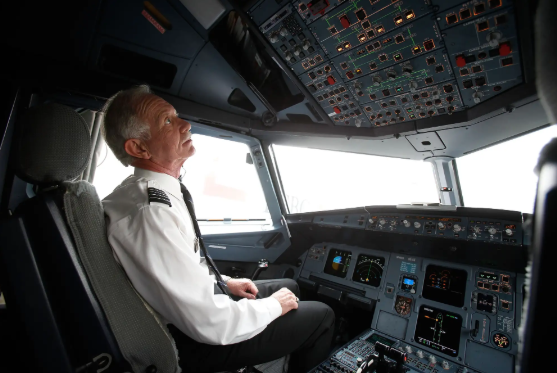
Sullenberger did return to piloting after Flight 1549, operating limited flights throughout the following year before his 2010 retirement.
Beyond flying, he joined US Airways’ flight operations safety management team and authored the New York Times bestseller “Highest Duty: My Search for What Really Matters.” He’s devoted over a decade to discussing aviation safety, crisis management, and leadership.
“I possess a richer, more complete life than before,” he told media in January 2024. “I’m pursuing professional activities as a keynote speaker that I never anticipated. I never imagined I’d excel at it.”
He elaborated: “I never sought attention or wanted being the party center, or felt comfortable addressing large groups, and now it’s remarkable what you can learn and master.” According to his LinkedIn profile, he continues flying privately.
Current Activities and Life
Sullenberger has worked as a keynote speaker for The Harry Walker Agency since 2010, per his LinkedIn. Between December 2021 and July 2022, he served as U.S. ambassador to the International Civil Aviation Organization, according to CNBC reporting.
He resides in San Francisco with his wife Lorrie, whom he married in 1989. They share two daughters and welcomed their first grandchild in 2024.
“When the newest Sullenberger arrived and I gazed into her eyes, I saw the next generation, bringing me joy, hope, gratitude, and a future glimpse,” Sullenberger captioned a November 2025 Instagram post. “And for her, I want to leave the world improved from how I found it.”
Legacy and Continuing Impact
Sixteen years following his extraordinary Hudson River landing, Sullenberger continues influencing aviation safety standards, crisis response protocols, and leadership development across industries. His transformation from reluctant public speaker to sought-after keynote presenter demonstrates personal growth paralleling his professional expertise.
The grandfather’s reflection on leaving an improved world for future generations reveals how the miraculous 2009 landing shaped not just his career trajectory but his fundamental life philosophy emphasizing preparation, responsibility, and service extending far beyond that singular January day that tested everything he knew.