Bad Bunny’s Historic Week: Grammy Breakthrough and Super Bowl Legacy
In an extraordinary seven-day span that redefined Latin music’s place in American culture, Bad Bunny achieved unprecedented milestones that will resonate for generations to come.
The Puerto Rican superstar’s journey from tearful Grammy acceptance to inspirational Super Bowl halftime performer represents a watershed moment for Spanish-language artists and Latino representation in mainstream entertainment.
Breaking Grammy Records with “Debí Tirar Más Fotos”
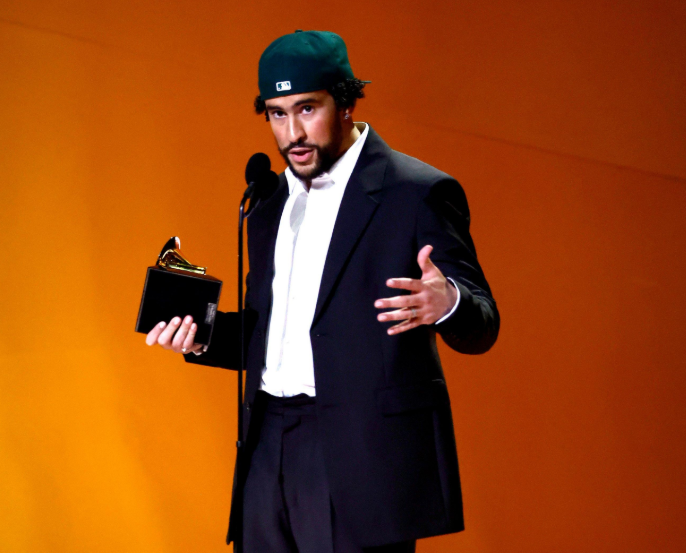
On February 8, 2026, Benito Antonio Martínez Ocasio—known globally as Bad Bunny—made history at the 68th Annual Grammy Awards when his album Debí Tirar Más Fotos became the first all-Spanish-language project ever to win Album of the Year.
This groundbreaking victory placed him among only three Latino artists to claim the prestigious top honor, joining Carlos Santana and João Gilberto in this exclusive category previously dominated by English-language releases.
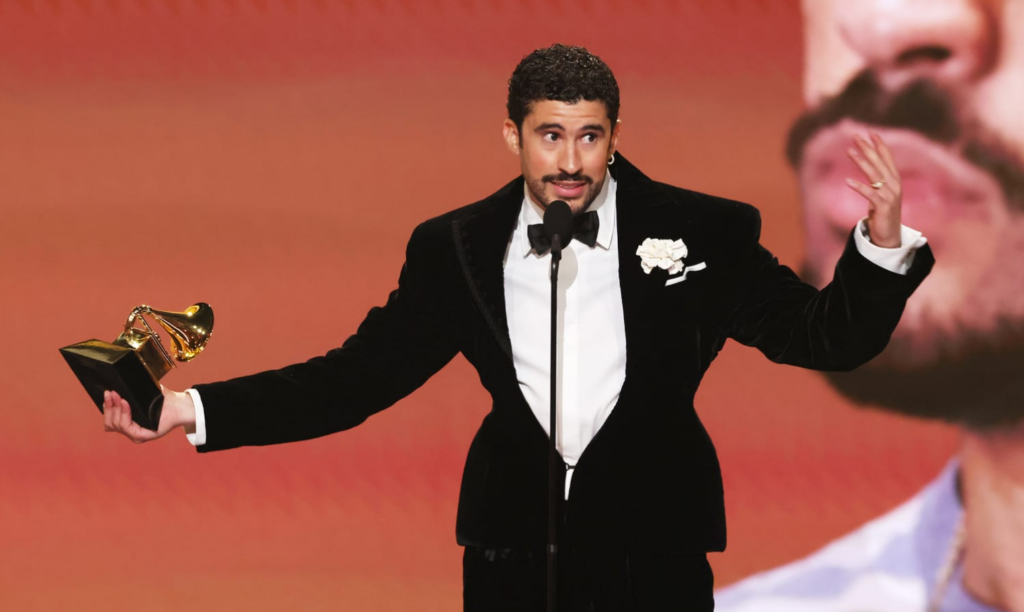
The emotional acceptance speech resonated far beyond the music industry. Bad Bunny delivered a powerful message of unity and love, directly addressing contemporary social issues while honoring Latin artists who paved the way before him.
“If we want to fight, we have to do it with love … The only thing that is more powerful than hate is love,” he declared, referencing recent ICE raids and social divisions.
His heartfelt tribute continued: “To all the Latinos in the entire world and to all the artists who came before and who deserved to be on this stage receiving this award, thank you very much.”
A Viral Moment of Genuine Emotion
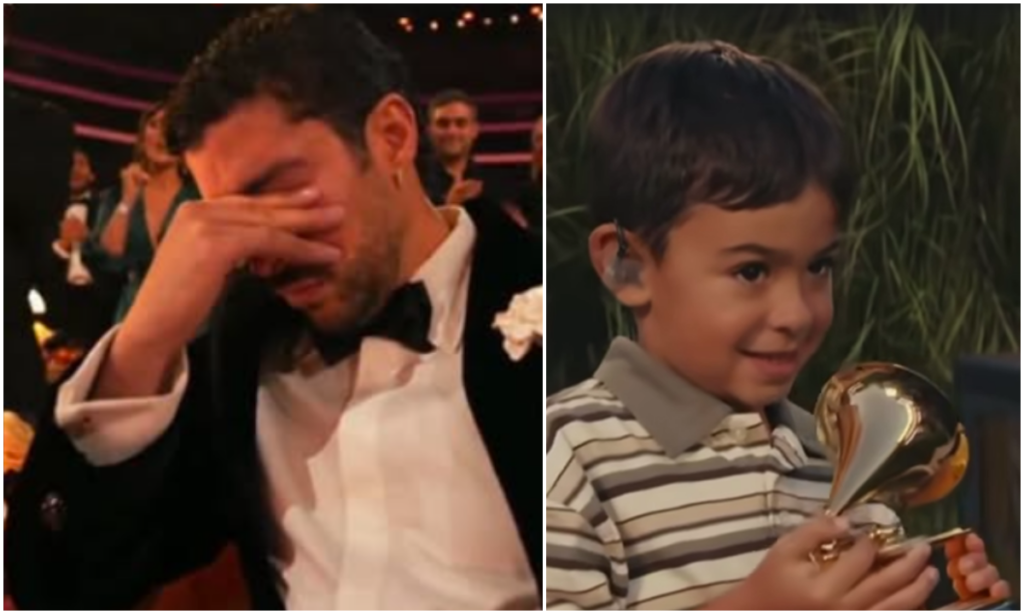
The artist’s stunned reaction—hands covering his eyes in pure disbelief—instantly became viral across social media platforms. This raw, unscripted moment of overwhelming emotion connected with millions worldwide, humanizing superstardom and capturing the magnitude of the achievement.
The Grammy win built upon his earlier success that evening, having already claimed Best Música Urbana Album, demonstrating his evolution from reggaeton and trap origins to mainstream dominance.
Super Bowl LX: A Cultural Milestone
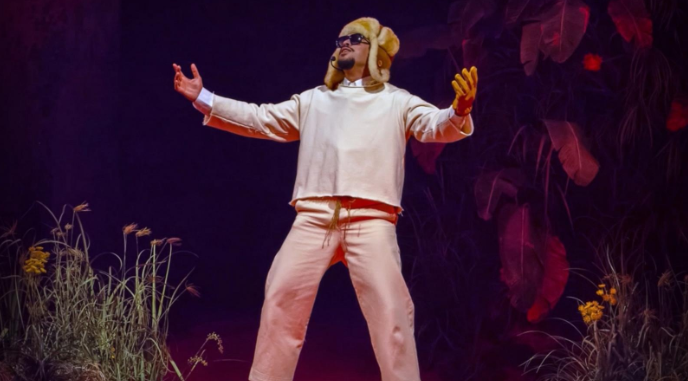
Days later, Bad Bunny took center stage at the Apple Music Super Bowl LX Halftime Show, achieving another historic first as the inaugural Latino male headliner and the first artist from an independent label (Rimas) to command this coveted platform.
The 15-minute spectacle transformed into a vibrant celebration of Latin American culture, featuring elaborate choreography, stunning visual design, and a carefully curated setlist including hits like “Tití Me Preguntó” and tracks from his Grammy-winning album.
Wearing a custom creamy white leather football jersey emblazoned with his mother’s surname “Ocasio,” Bad Bunny shouted out countries throughout Latin America—from the Dominican Republic to Mexico—creating a moment of pan-Latino unity witnessed by over 100 million viewers.
Passing the Torch: A Symbolic Gesture
One of the performance’s most poignant moments came when Bad Bunny handed his Grammy trophy to young Liam Ramos in the audience—a gesture documented in ELLE Magazine’s viral Facebook reel that garnered over 9,000 views.
This symbolic act of passing the torch to the next generation encapsulated the performance’s deeper meaning: celebrating achievement while inspiring future Latino artists to dream bigger.
The caption accompanying the viral moment perfectly captured its significance: “From the #Grammys stage to the #SuperBowl, @badbunnypr took a sweet moment to honor last week’s Album of the Year win—and pass it on to the next generation of superstars.”
Star-Studded Collaboration and Inclusivity
The halftime show featured surprise appearances from international icons Lady Gaga and Ricky Martin, adding layers of star power while celebrating LGBTQ+ inclusion within Latin culture.
Hollywood celebrities including Pedro Pascal, Jessica Alba, and Cardi B—girlfriend of New England Patriots player Stefon Diggs—joined the stage production, elevating the performance’s cultural crossover appeal.
Critics universally praised the show’s production values, narrative cohesion, and joyful celebration of Latino identity. Industry publications called it one of the best-produced halftime shows in Super Bowl history.
Navigating Controversy with Purpose
The performance sparked polarized reactions. Former President Donald Trump criticized the show as “terrible” and linguistically inaccessible, while supporters championed it as a bold assertion of Latino cultural prominence in American mainstream entertainment.
Social media users drew connections between the Grammy trophy presentation to young Liam and Bad Bunny’s Grammy speech condemning ICE enforcement actions, viewing the gesture as continued advocacy for immigrant communities.
As one Spanish-language observer noted on X: “Liam Conejo Ramos, the niño de CINCO AÑOS DE EDAD ‘detenido’ por ICE recibió el Grammy de Bad Bunny durante show del Super Bowl. Sin palabra.”
Cultural Significance Beyond Entertainment
This remarkable week represents far more than personal achievement for one artist. Bad Bunny’s dual triumphs signify a fundamental shift in how Spanish-language music and Latino artists are recognized within American popular culture.
Rolling Stone captured this sentiment perfectly: “Benito’s always been somebody that’s always unified through music.”
The convergence of these moments—Grammy history-making, Super Bowl headlining, and generational inspiration—creates a new blueprint for artists who refuse to compromise their cultural identity for mainstream acceptance.
A Lasting Legacy
Bad Bunny’s historic week demonstrates the power of authenticity, cultural pride, and artistic excellence. By maintaining his Spanish-language artistry while achieving unprecedented mainstream success, he’s opened doors for countless artists who will follow.
The viral ELLE reel, with its inspirational framing and millions of impressions across platforms, ensures these moments will continue inspiring future generations of Latino artists and fans alike.
As Bad Bunny himself emphasized in his Grammy speech, love proves more powerful than division—a message that resonated through both his tearful acceptance and his joyful Super Bowl celebration, creating a narrative of triumph that transcends music industry accolades.
This wasn’t just Bad Bunny’s week of victory; it was a cultural milestone for Latino representation, Spanish-language artistry, and the next generation of superstars waiting in the wings.