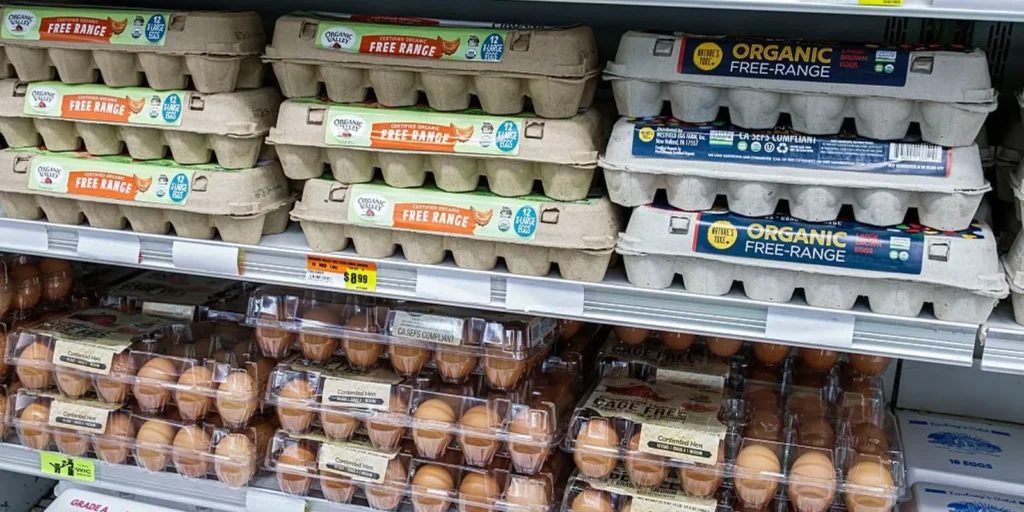
FDA Investigates Salmonella Outbreak Linked to Recalled Shell Eggs — Heres What to Check Before You Eat
A standard safety inquiry has escalated into a significant public health issue, with federal officials advising consumers to closely inspect the eggs currently stored in their refrigerators.
As the investigation progresses, new insights have surfaced regarding the outbreak, the implicated products, and a specific carton detail that may indicate whether your eggs are included in the recall.
The Food and Drug Administration (FDA), in collaboration with the Centers for Disease Control and Prevention (CDC) and state health authorities, is examining a multistate outbreak of Salmonella Enteritidis.

Recall Initiated Following Routine Inspection
The infected cases are partially associated with recalled shell eggs from Midwest Poultry Services, L.P. Laboratory tests, epidemiological data, and traceback studies have pointed to the Indiana-based company’s shell eggs, produced in Texas, as a probable source of the reported illnesses.
Nonetheless, the FDA clarified that this producer does not account for all cases in this outbreak, and further investigations are underway to determine if other sources are involved.
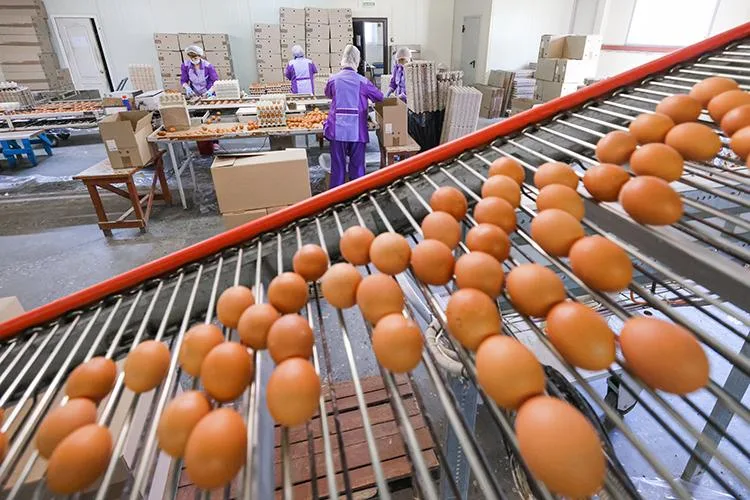
On July 22, Midwest Poultry Services voluntarily recalled around 1,589,577 dozen white and brown cage-free shell eggs — totaling approximately 19 million eggs — produced between June 6 and July 3, 2026, with sell-by or best-by dates ranging from July 20 to August 17, 2026.
Reports indicate that the potential contamination was identified through environmental monitoring at two farms in Texas, prompting an immediate suspension of fresh egg shipments from these locations.
"Upon learning about a potential safety concern, we redirected eggs to a pasteurization facility to eliminate any foodborne pathogens," stated Midwest Poultry Services in their announcement.
"We also commenced a thorough internal investigation and implemented testing protocols to identify possible sources of Salmonella. Ensuring the safety and quality of food for our consumers is our utmost priority, and this voluntary recall underscores that commitment."
As the source was still being investigated, the number of reported illnesses continued to increase.
Outbreak’s Scale and Spread
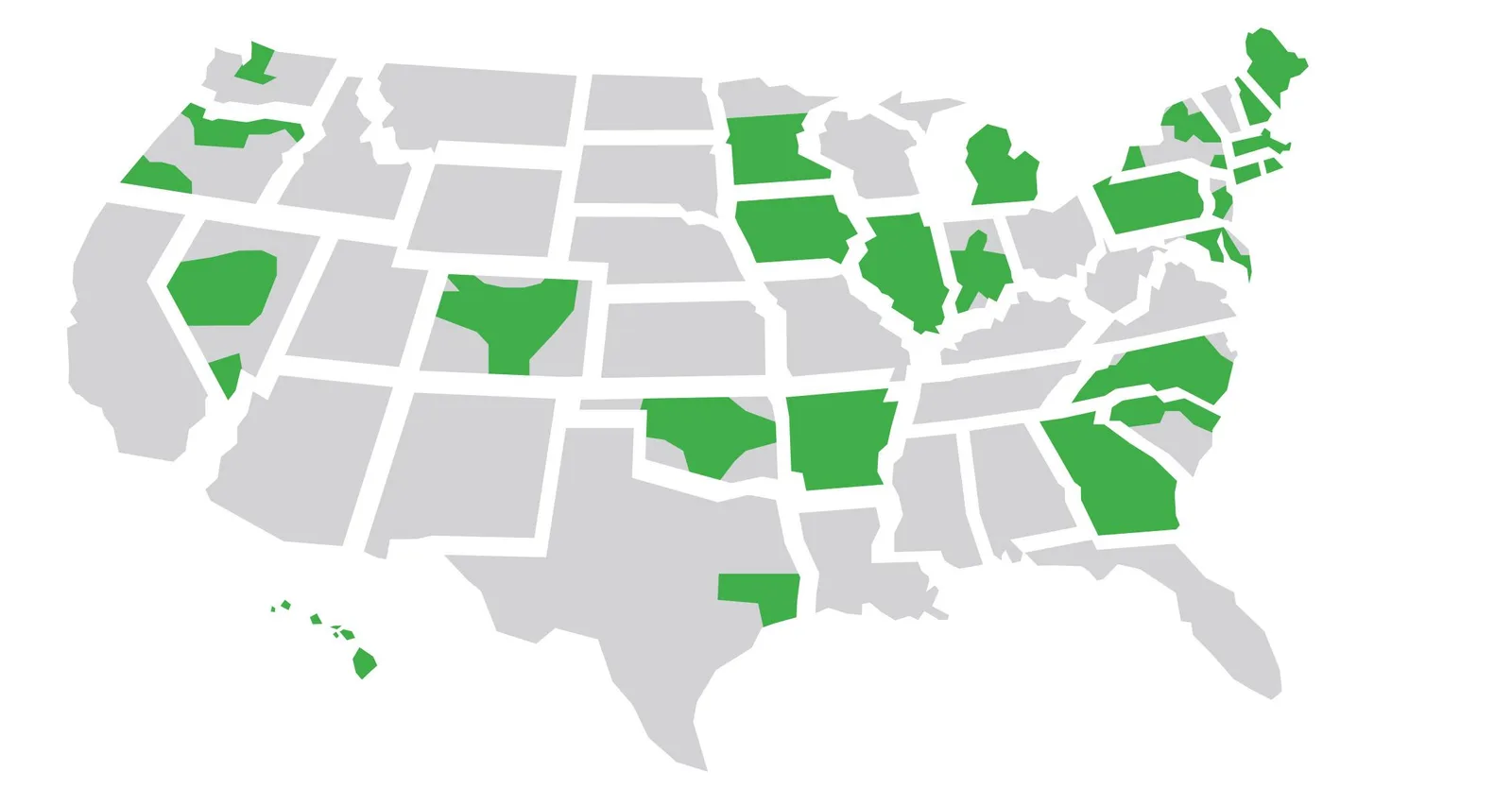
The FDA has reported that 98 individuals across 17 states have contracted the outbreak strain, with illnesses starting between November 21, 2025, and June 30, 2026. Among them, 26 have been hospitalized, though no fatalities have been documented.
Reports have indicated cases stemming from this outbreak in Arizona, California, Colorado, Georgia, Illinois, Louisiana, Michigan, Missouri, Mississippi, Nevada, New Mexico, New York, North Carolina, Oklahoma, South Carolina, Texas, and West Virginia.
Moreover, Midwest Poultry Services gathered samples from its Texas farms that tested positive for Salmonella. Whole genome sequencing conducted by a third-party lab found that some of these samples were identical to the outbreak strain.
The CDC has warned that the reported case numbers likely underestimate the actual infections, as many individuals recover without seeking medical assistance or testing.
Brands Involved in the Recall
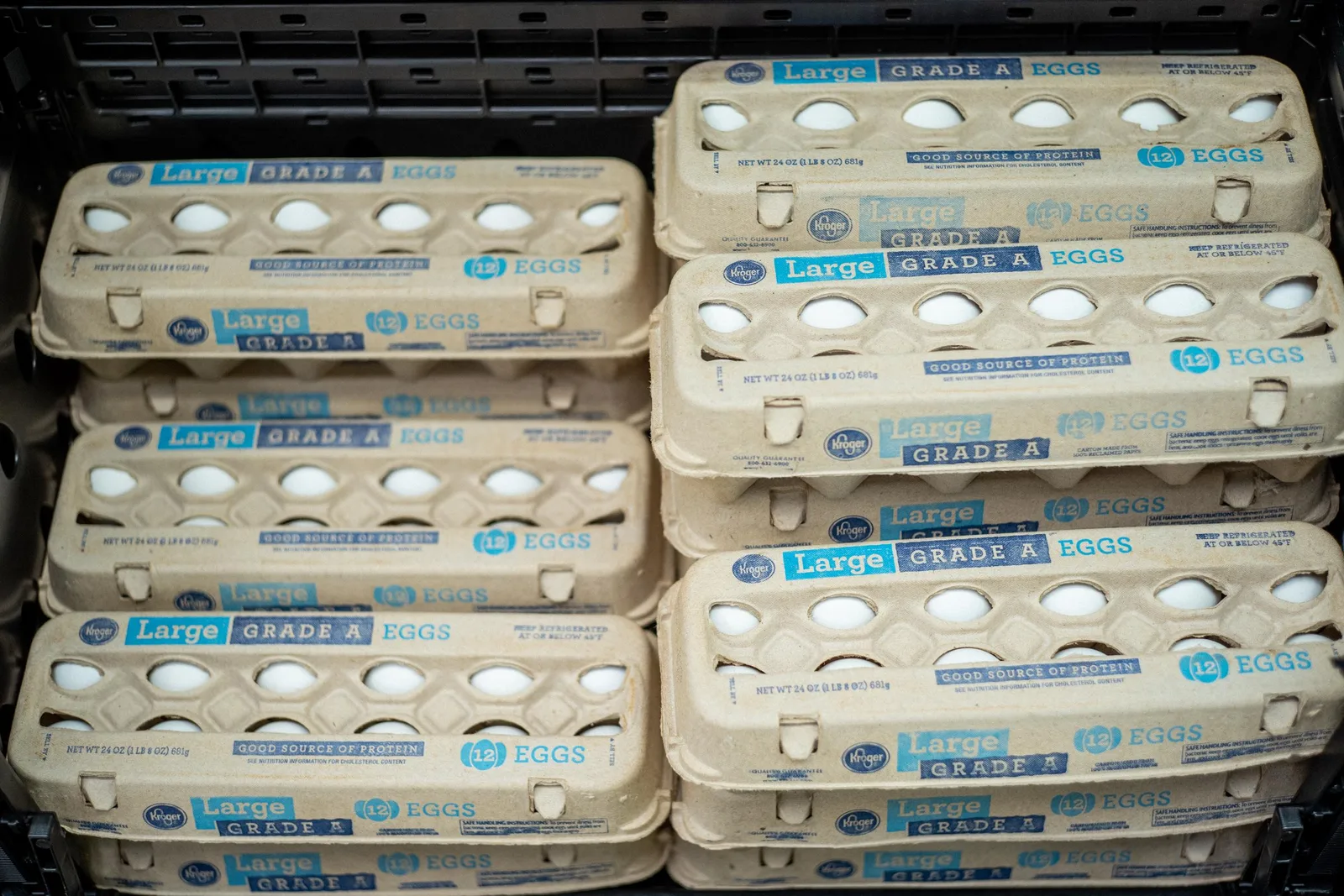
As investigators pinpointed the recalled products, another crucial piece of information came to light. The FDA and reports confirm that the affected eggs were sold under several brand names, including Country Morning, Cal-Maine Sunups, Brookshire’s, Simple Truth, and Kroger.
These eggs were distributed to retail outlets and foodservice providers across Texas, Louisiana, Oklahoma, Arkansas, Mississippi, and New Mexico, packaged in cartons that contained 6, 12, 18, 24, 30, 36, and 60 eggs, as well as bulk packages.
Consumers who have purchased these eggs are advised against consuming them. Instead, officials recommend discarding them or returning them to the store for a refund.
Restaurants and retailers that have received these recalled eggs should cease serving or selling them immediately and ensure that any surfaces or containers that may have come into contact with the eggs are thoroughly sanitized.
Identifying Recalled Eggs
For those uncertain if their eggs are affected, officials state that the carton can provide clarity. All recalled cartons feature the plant code P-1950 or 0840962, which can be found printed on either side in date-coding ink.
The affected products encompass various Kroger, Simple Truth, Brookshire’s, Country Morning, and Sunups brands distributed across the affected regions. If the eggs have been removed from their original packaging, and their recall status is uncertain, the FDA advises discarding them.
According to the Mayo Clinic, Salmonella infection is a bacterial disease most commonly transmitted through contaminated foods, including raw or undercooked eggs.
Symptoms can appear within six hours to six days after exposure and may involve diarrhea, fever, stomach cramps, nausea, vomiting, chills, headache, and blood in the stool. Most healthy individuals recover within a few days to a week; however, severe dehydration or infections that spread beyond the intestines can pose serious risks.
Young children under five, older adults, and those with weakened immune systems are particularly vulnerable to severe illness. Researchers have also identified an additional concern.

What to Do If You Have Affected Eggs
Health officials are urging consumers to inspect their refrigerators for any recalled eggs prior to meal preparation. Those who have bought affected products should either discard them or return them for a refund, wash their hands thoroughly after handling raw eggs, and disinfect any surfaces or containers that might have been in contact with the recalled items.
The FDA has also advised that individuals experiencing symptoms associated with Salmonella infection reach out to a healthcare provider without delay, as the agency continues its investigation into the outbreak and will provide further updates.