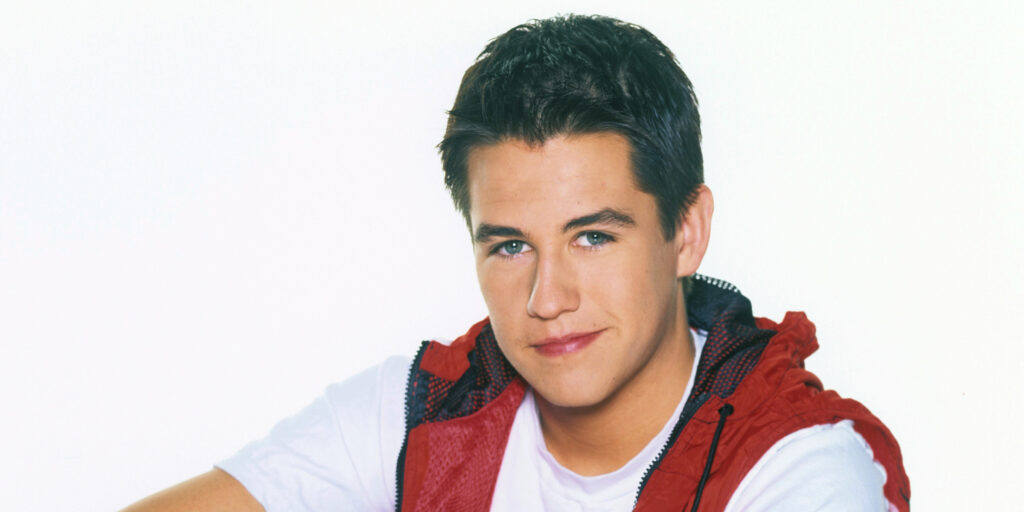
This 90s Heartthrob Once Became Homeless and Hid His Sexuality – Where Is He Now?
The ’90s star, known for his ability to discover hope even in tough situations, experienced some challenging times but ultimately emerged stronger.
The singer of ‘Funky Love’ kicked off his career as a teen, but soon found his life spiraling out of control. Over the years, he has openly discussed his battles, which included engaging in sex work, addiction, and the intense pressure to keep his sexuality a secret.
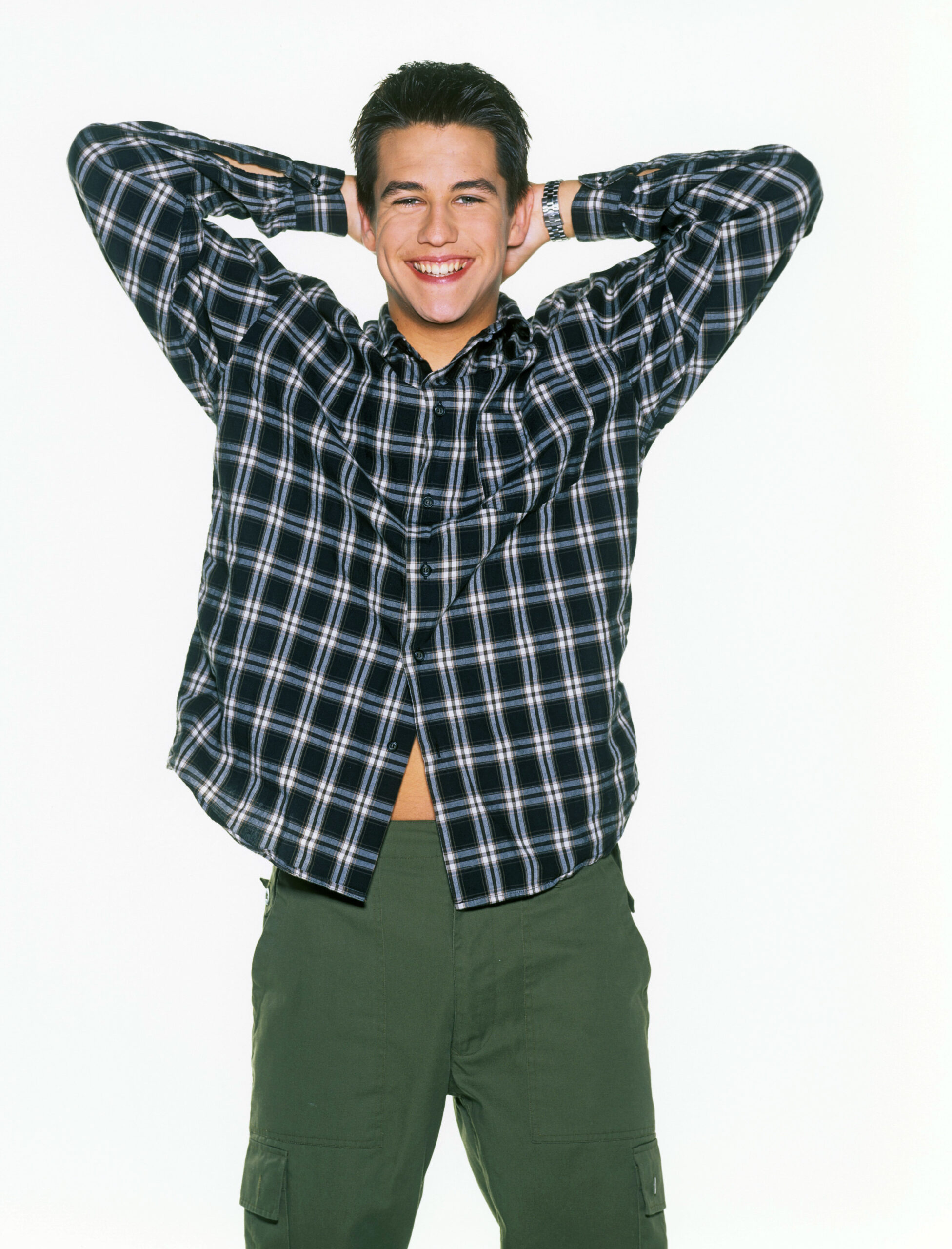
Originally from the UK, he grew up in Manchester during the 1980s, where he was the youngest child in a family with a 20-year-old daughter. His biggest dream was to become a pop star.
From a young age, he was passionate about music and viewed Smash Hits magazine as a portal to another world. He would retreat to his bedroom with each new issue, losing himself in its content.
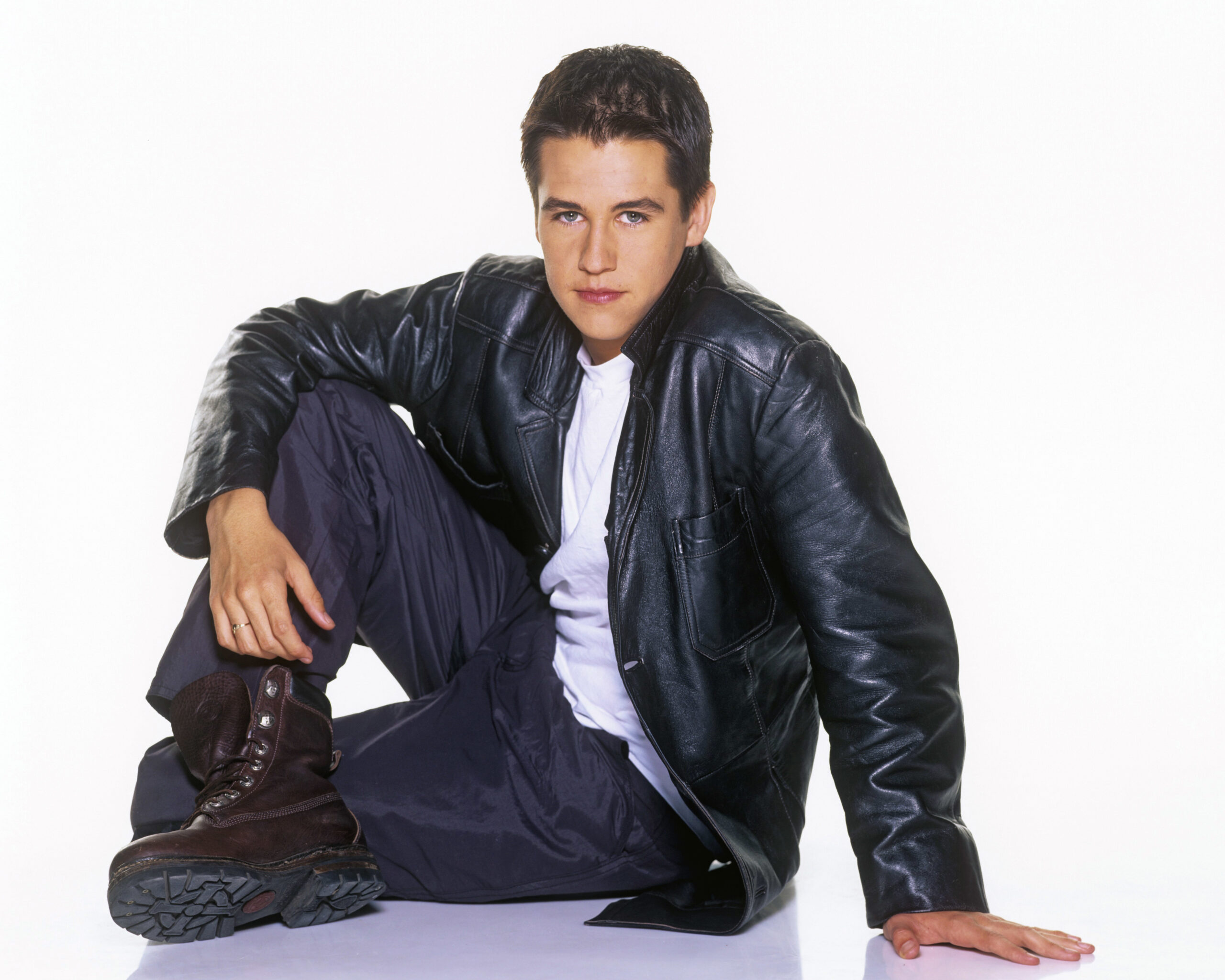
The singer held a strong belief that becoming a pop star was his destiny. In hindsight, he admits this might have stemmed from a mix of delusion and a desire to escape, but at the time, it felt like a certainty. ‘I would go around telling everyone that it was a given – I was going to be on Top of the Pops,’ he recalled.
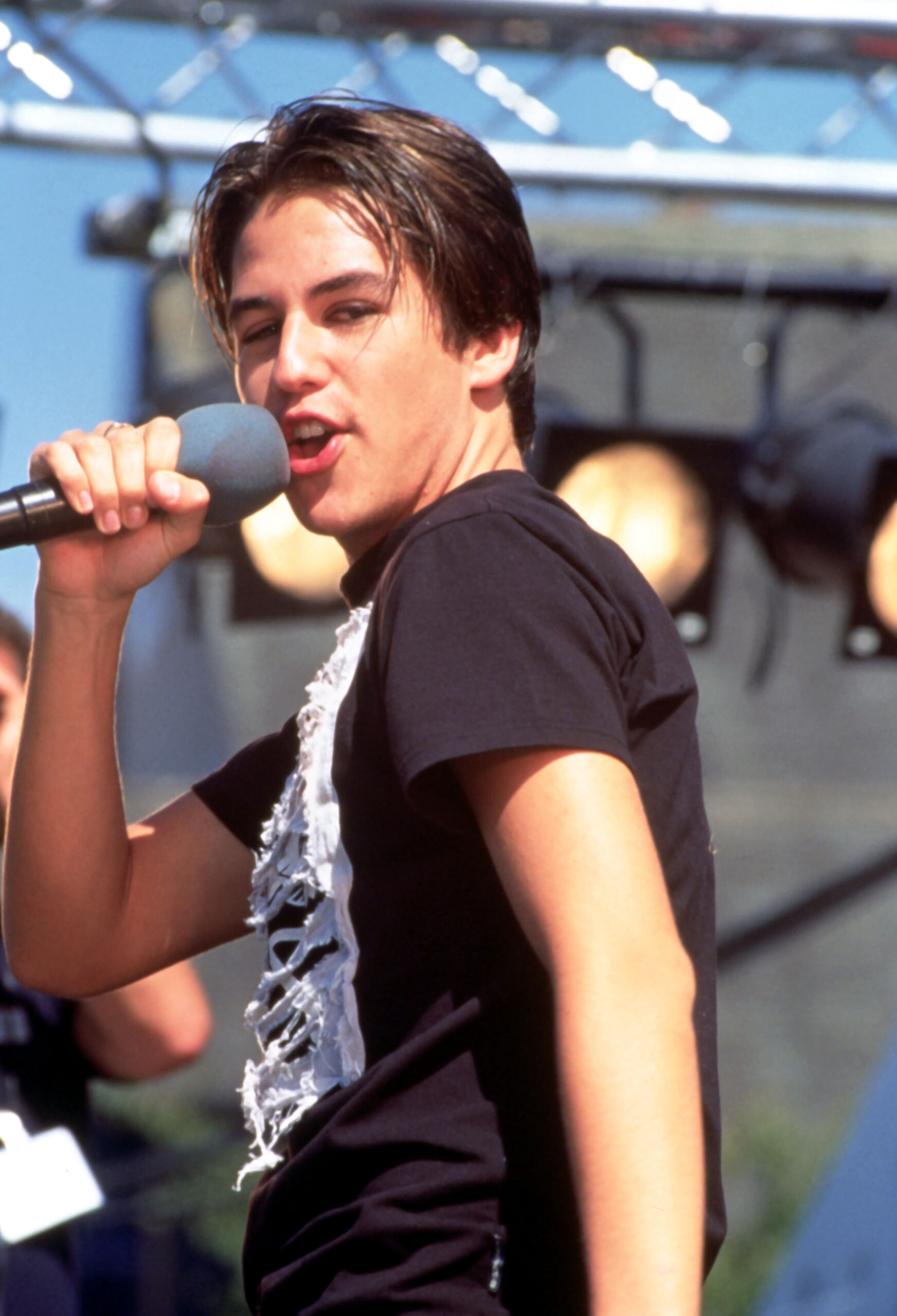
When success finally came with chart-topping hits in the UK and a loyal fanbase in Asia, he was still just a teenager, caught in a whirlwind of excitement and confusion.
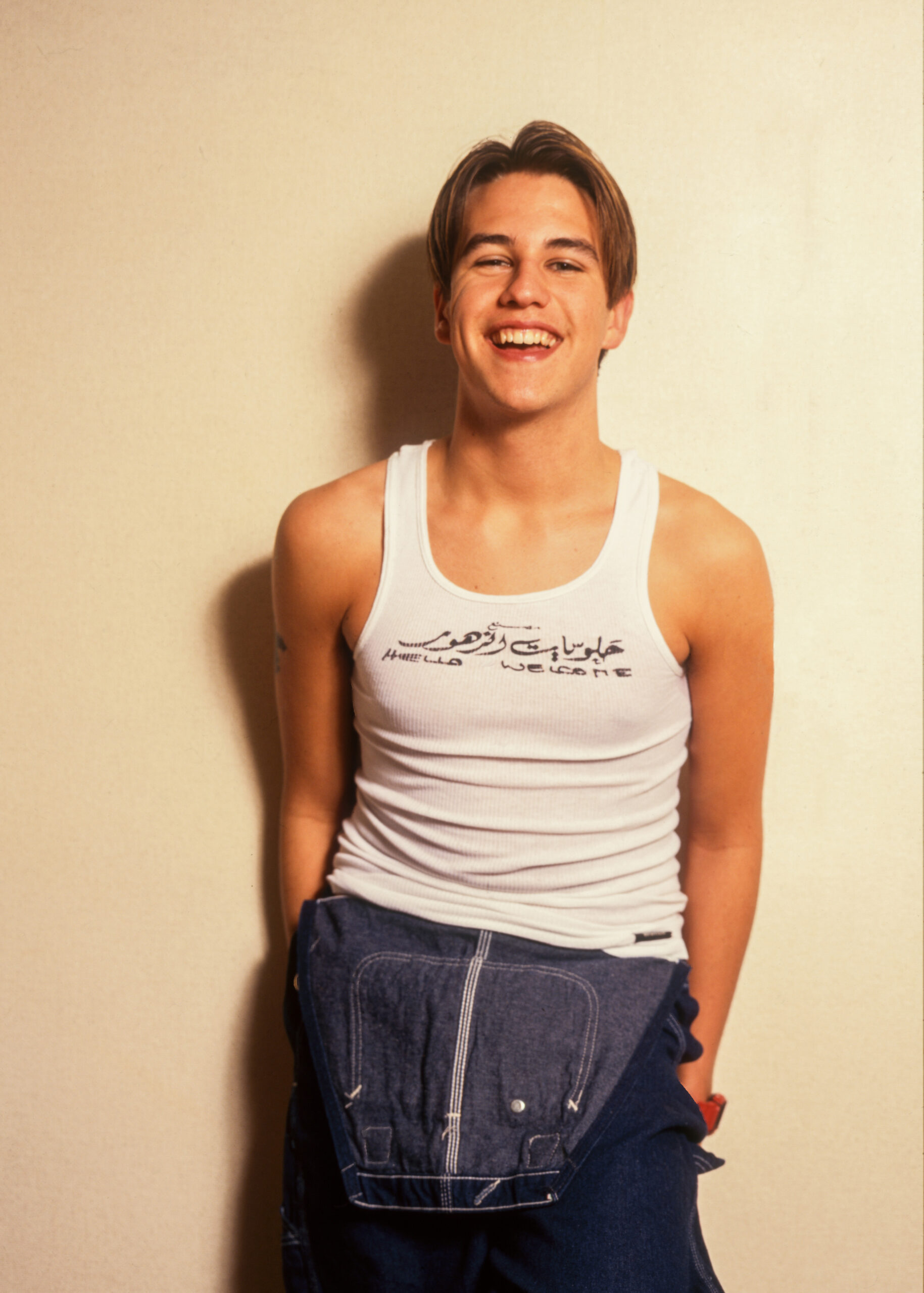
He often thought that his journey might have been less overwhelming had he been part of a band, where support and shared pressures could have made it easier. Instead, he faced the spotlight alone while struggling with body image issues.
Despite losing weight since his early teens, he continued to hear comments about his looks, with people referring to him as ‘chubby,’ which only reinforced his insecurities.
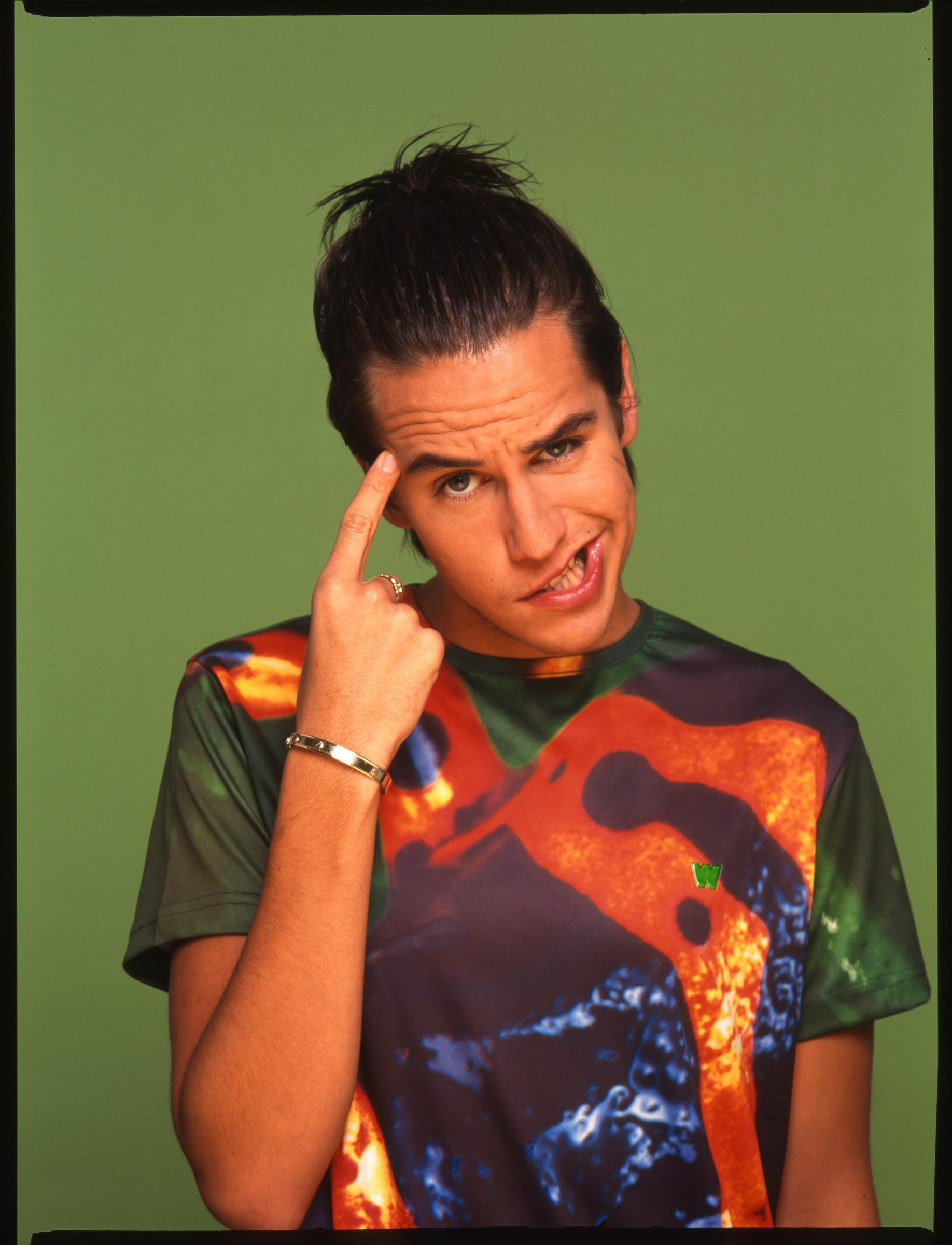
In addition to his body image issues, the singer was driven by an unending need for success. Even while winning Smash Hits and Brit Awards, accolades he once viewed as the ultimate achievement, he found it hard to feel satisfied.
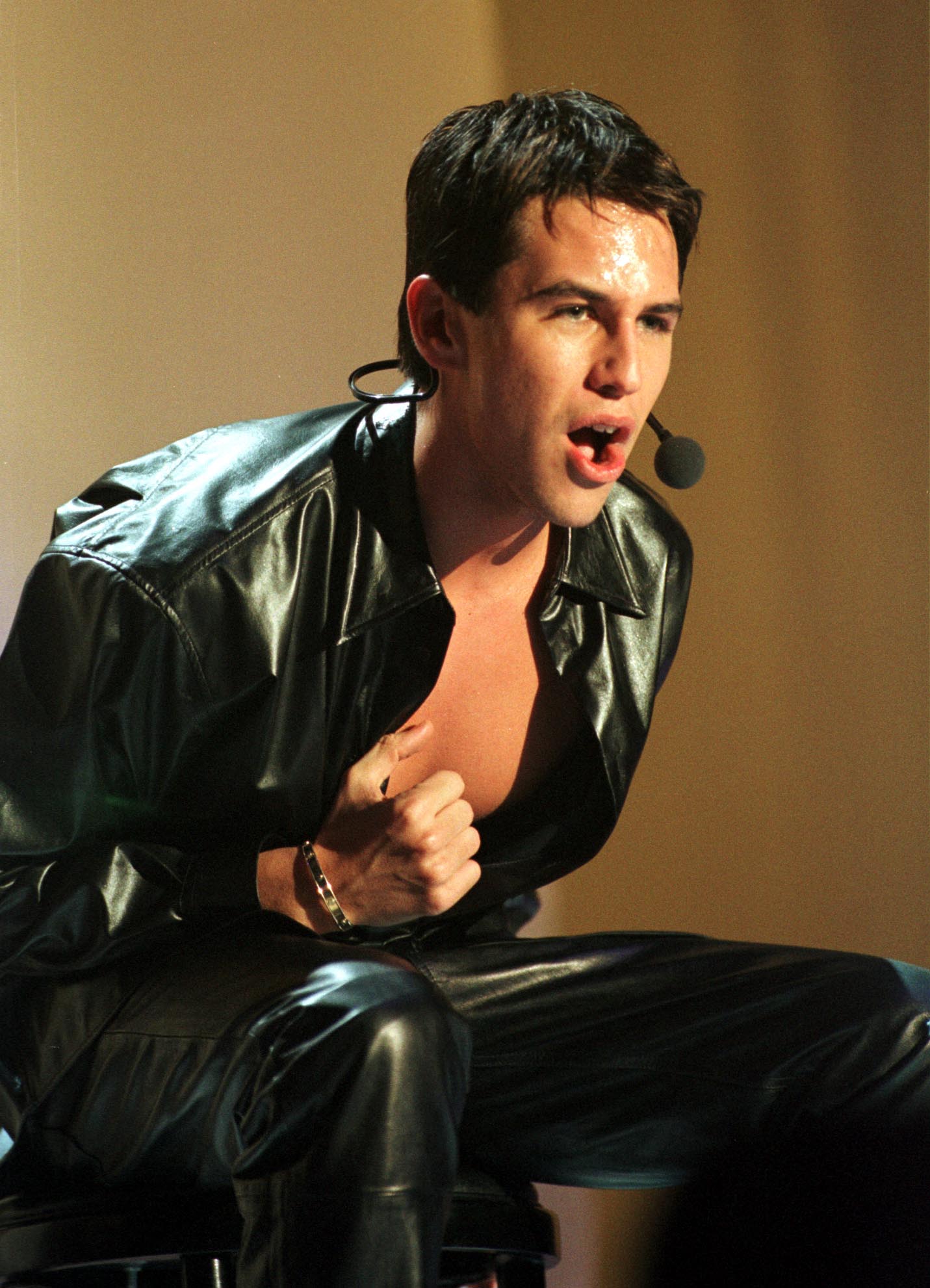
That fleeting satisfaction quickly gave way to an insatiable desire for more. This relentless ambition pushed him to chase a new dream in America, believing he could make it big in Hollywood despite just being dropped by his label.
Reflecting on his aspirations, the ‘Crazy Chance’ singer views them with a blend of humor and disbelief. He acknowledges the youthful determination of a man striving for ever-greater accomplishments.
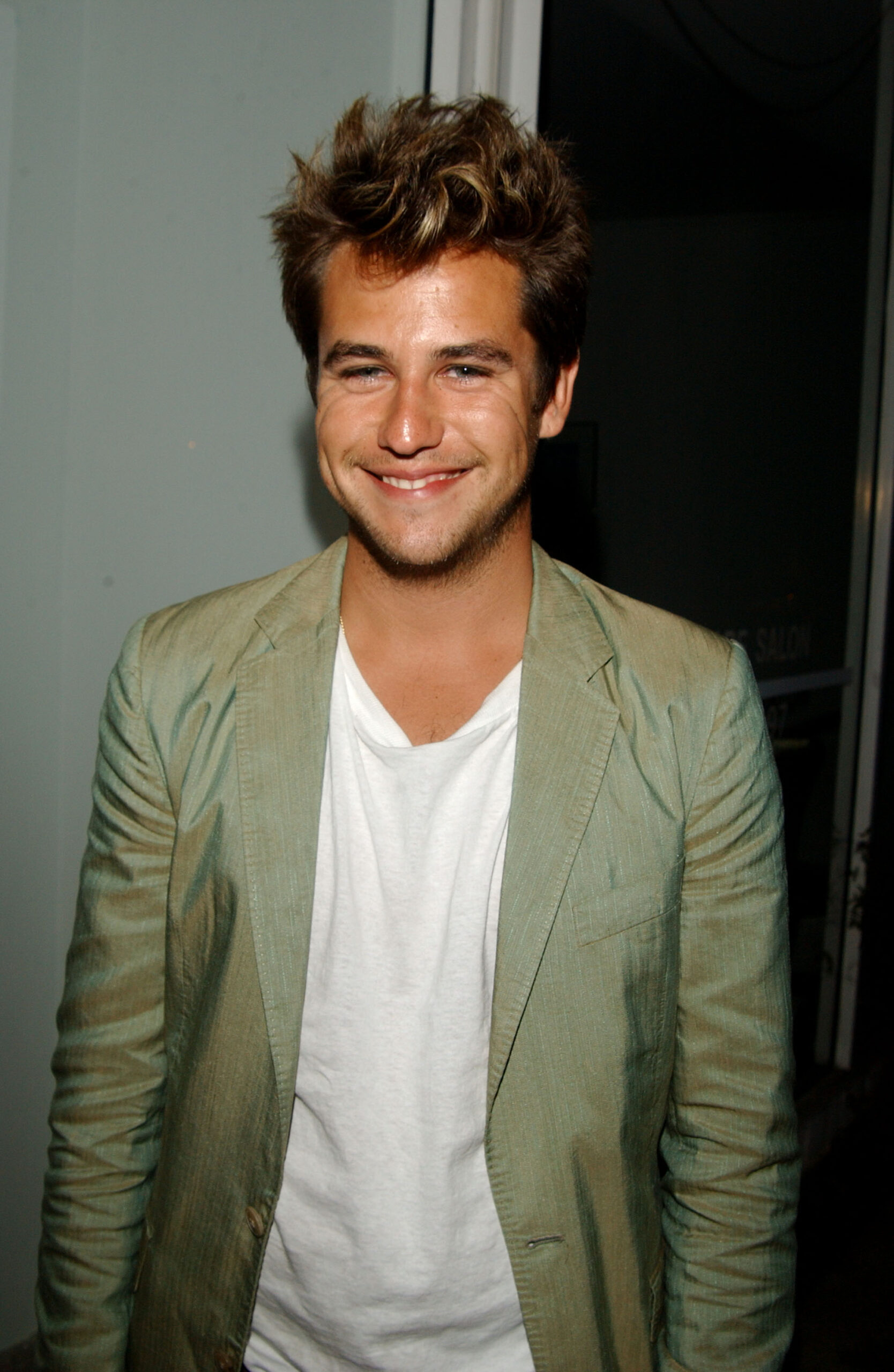
His American journey began with promise but soon fell apart. After securing a small role in a soap opera, he struggled to find stability while pursuing music and acting. Loneliness, debt, heavy drinking, and occasional drug use, including crystal meth, became his reality.
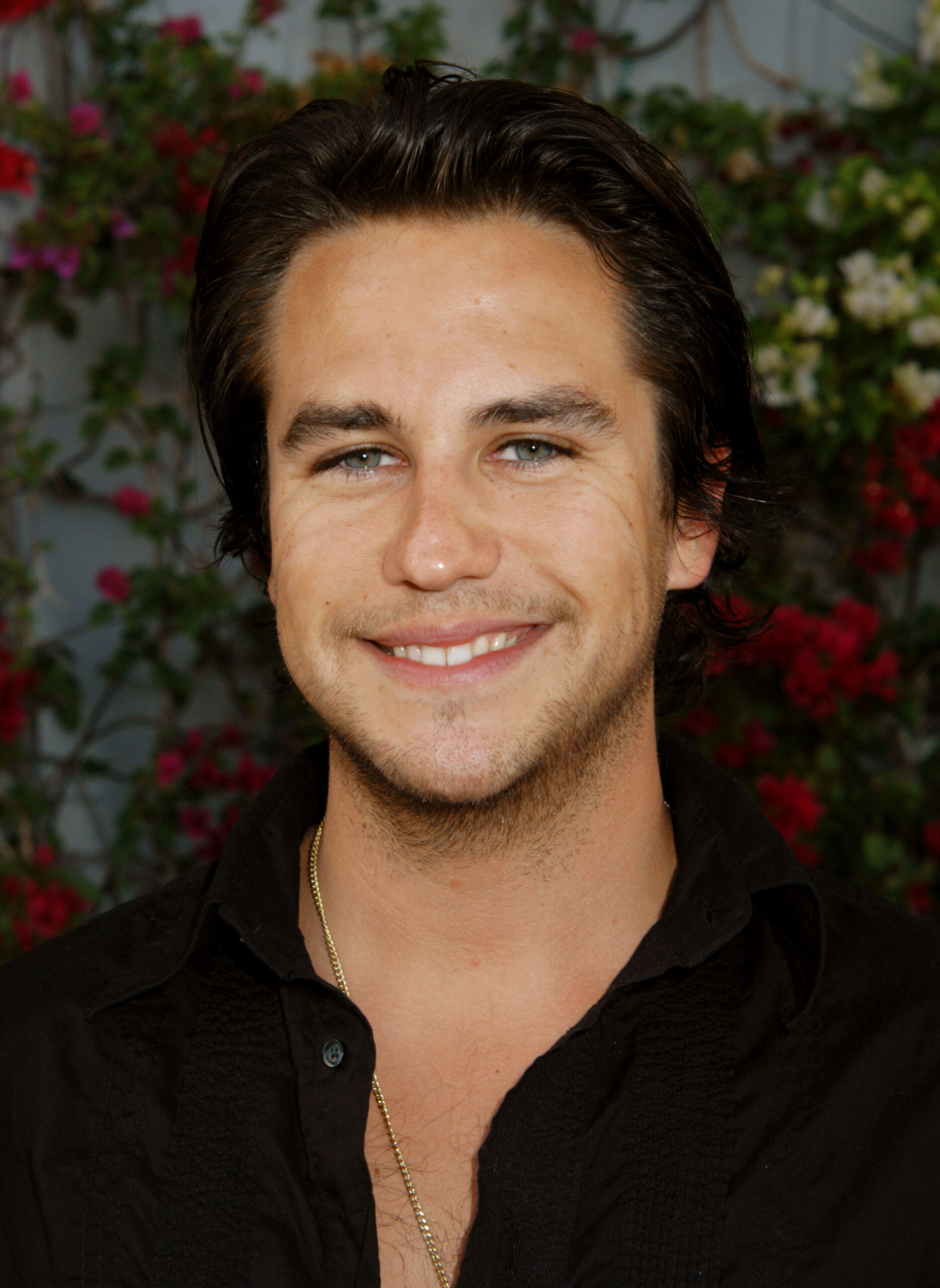
He found himself in dangerous situations, once waking up in a stranger’s apartment and realizing he had been paid for sex. Eventually, he lived in a motel. By 2006, after seven years in the US, he returned home and moved in with his elderly parents, broke and starting over.
Back in Manchester, registering at the job center was filled with shame and fear. The admiration he once received had turned into pity, with people starting to question whether he was still the same person they remembered from his pop star days.
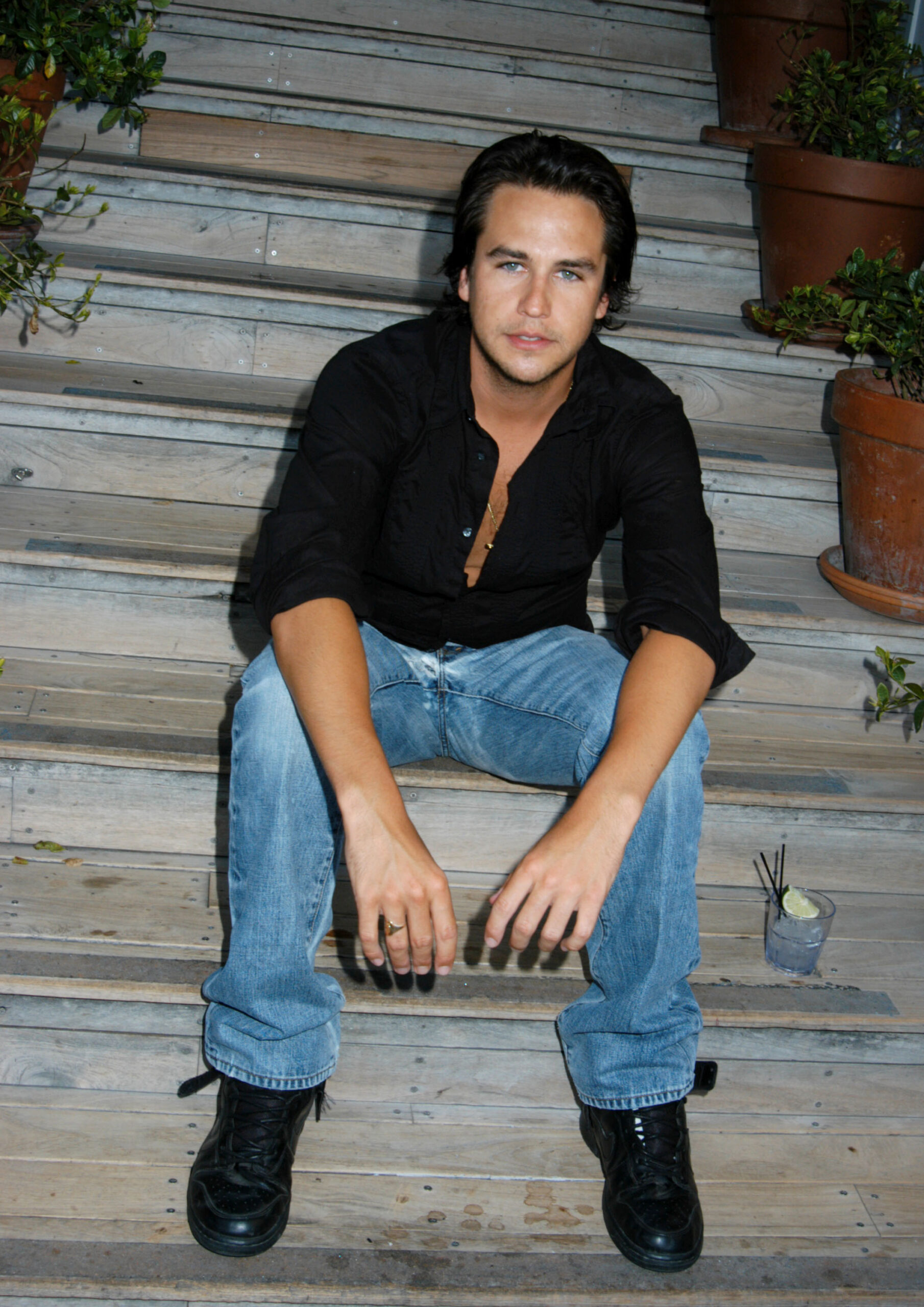
Overwhelmed by self-consciousness and grief, he turned to alcohol more frequently. Initially, it seemed to alleviate his stage fright and numb the pain of losing his father and later, his sister to cancer in 2019. However, this coping mechanism was gradually destroying him.
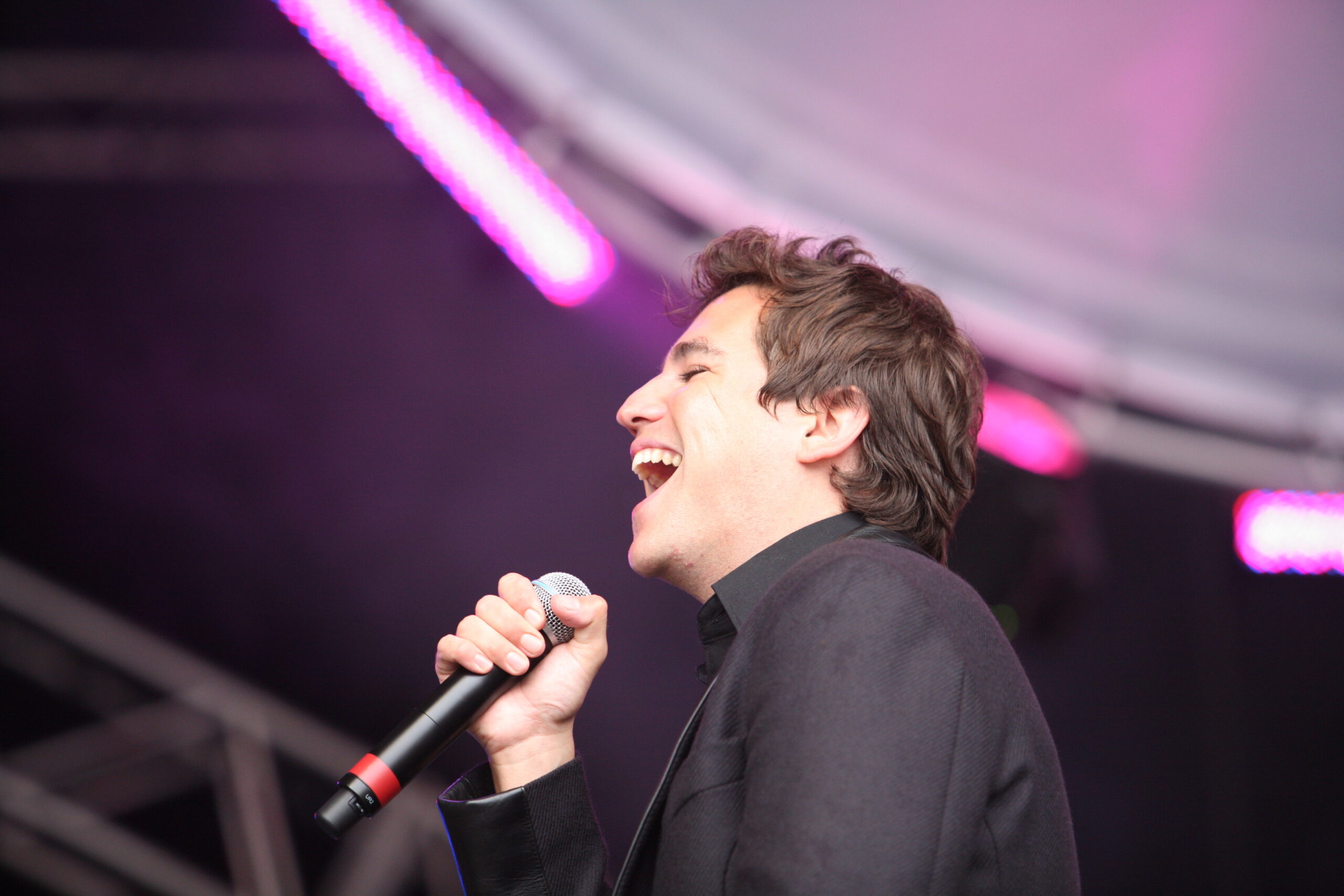
As his addiction worsened, he found himself effectively homeless, secretly residing with his mother in her sheltered housing flat. He applied to rehab, partly seeking shelter rather than recovery, but managed six months of sobriety before relapsing during a songwriting retreat, where he was drinking vodka in a phone booth.
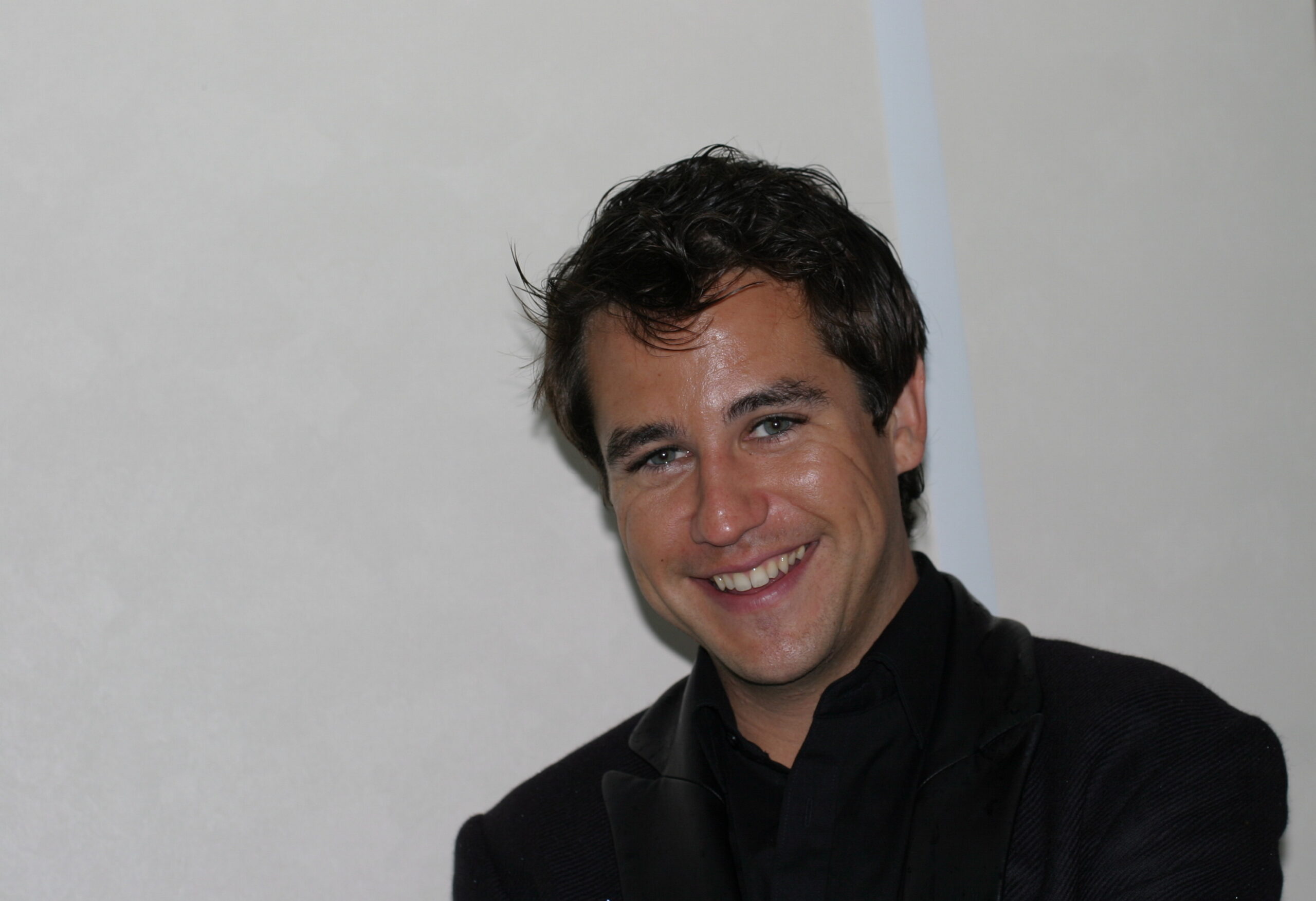
In London, he cycled through attending AA meetings and falling back into drinking. Mornings started with three-liter bottles of cheap cider and tins of cat food, an effort to seem less conspicuous, even as he recognized he was losing control.
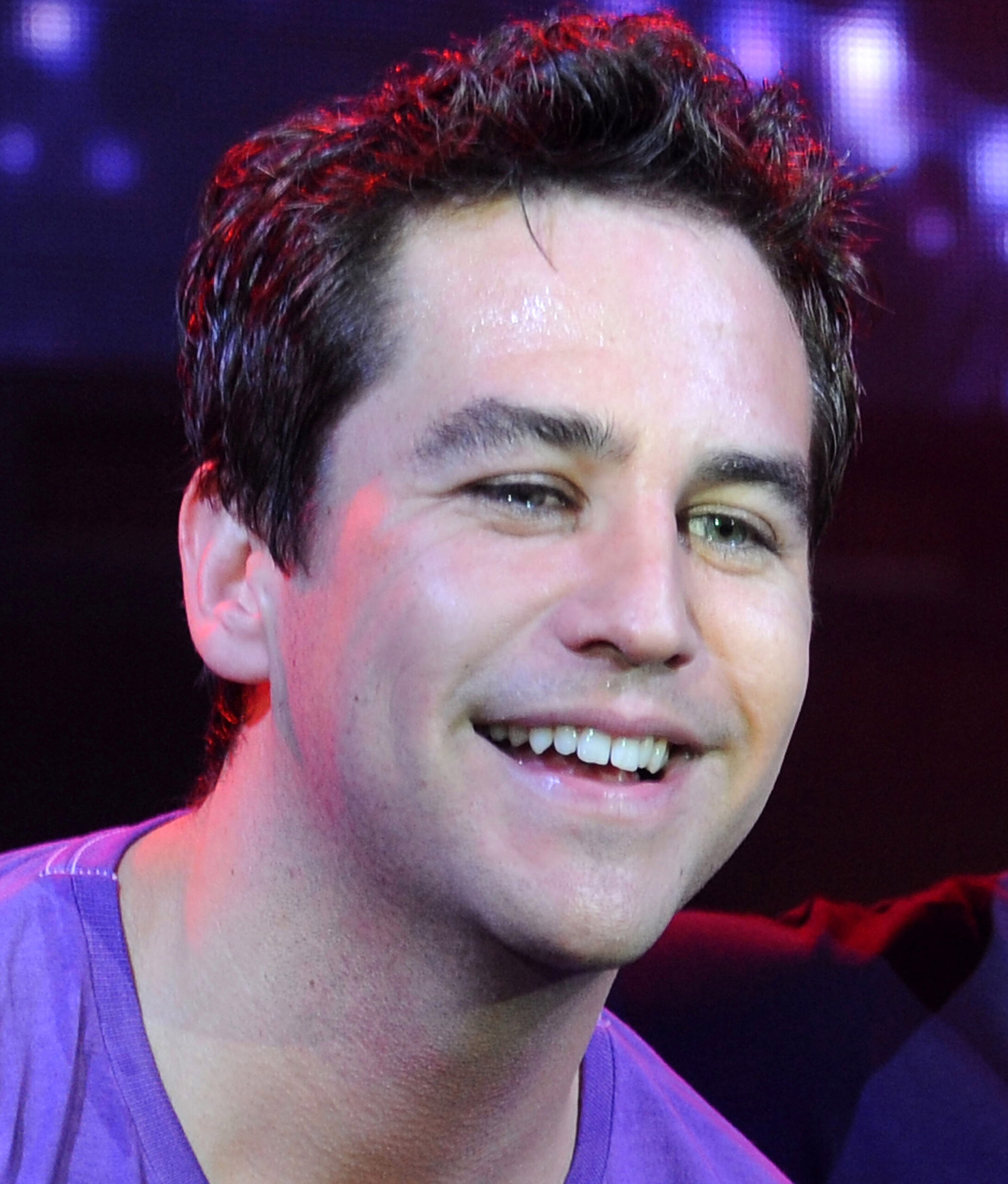
His sexuality was another heavy burden he carried in silence. He came to understand he was gay during high school, but even as his career took off, he kept this part of himself hidden. ‘I hadn’t told my parents. I didn’t tell my sister until I was 18. It was a different time back then,’ he shared.
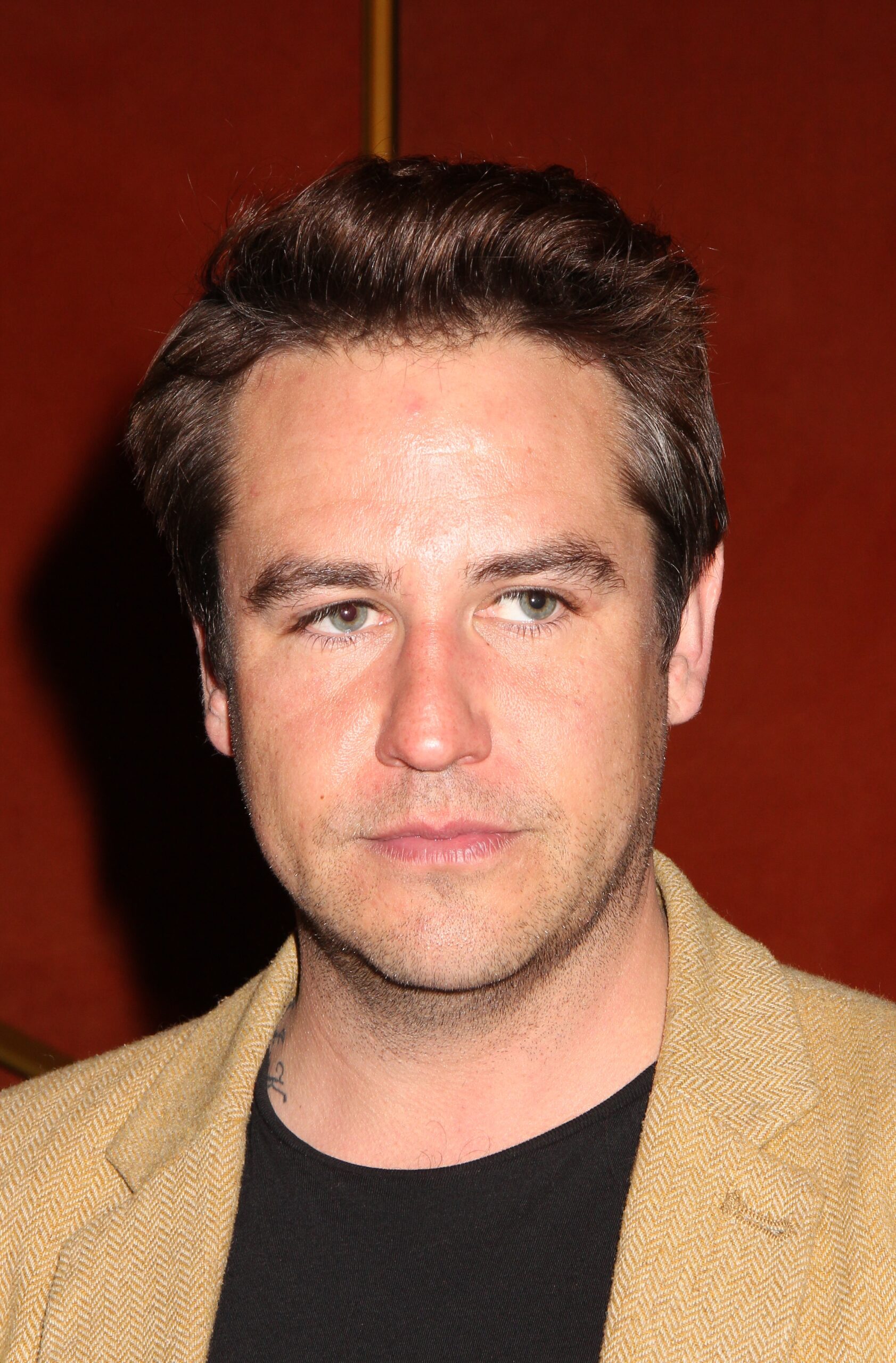
The pressure to uphold an image that appealed to teenage girls left little space for honesty. The fear of being outed was significant, as the social climate made openness feel perilous both personally and professionally.
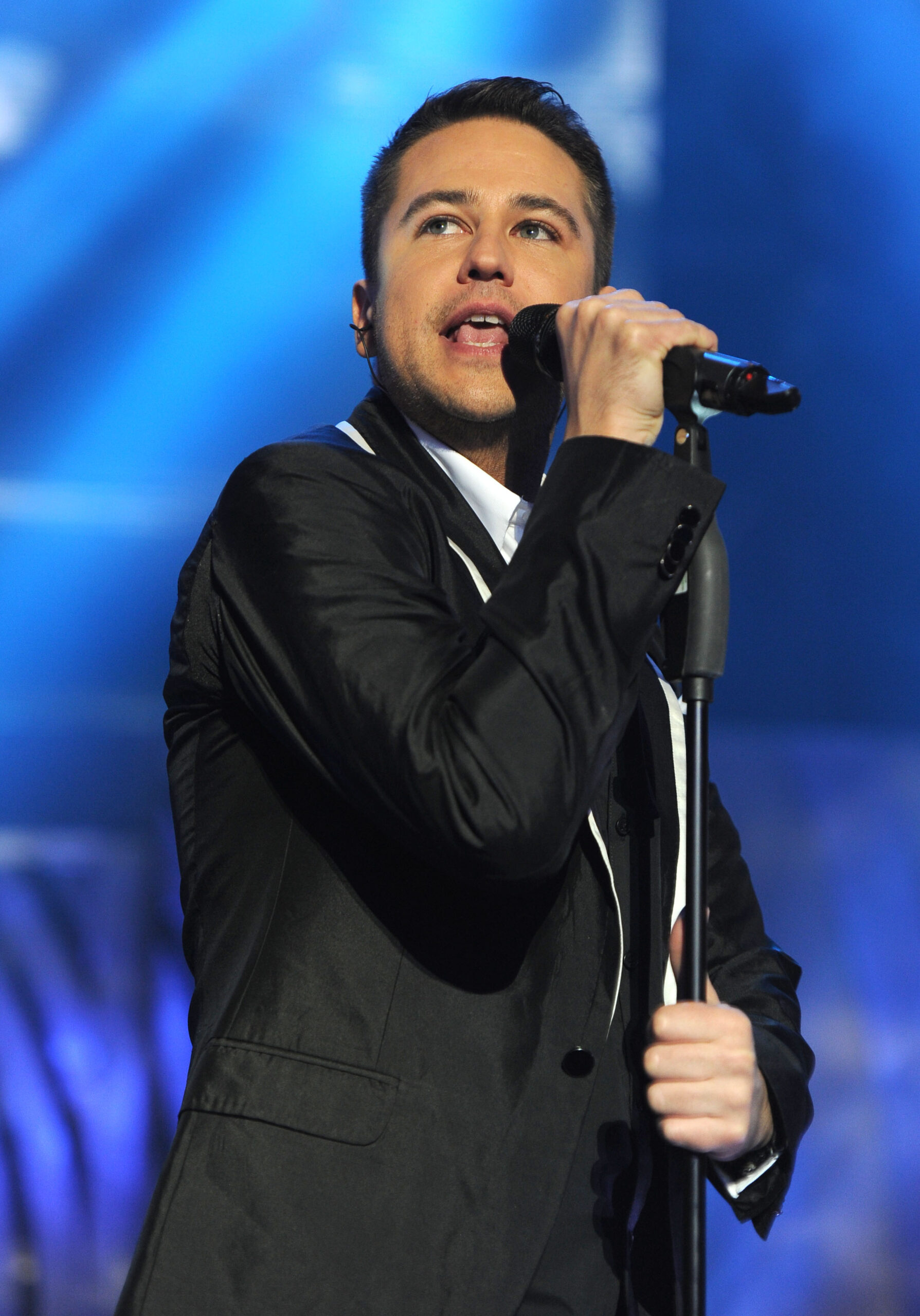
While touring with other artists, he occasionally exchanged subtle glances with men, wondering if there was mutual interest. ‘You’d have a little feeling,’ he recalled, ‘but I dared not say anything, fearing it would get back to someone else.’
On one occasion, he shared a night with Stephen Gately from Boyzone — an experience that stood out amid years of secrecy. Hiding his sexuality took a heavy toll, and ‘that’s where alcohol came in as a comfort,’ he confessed.
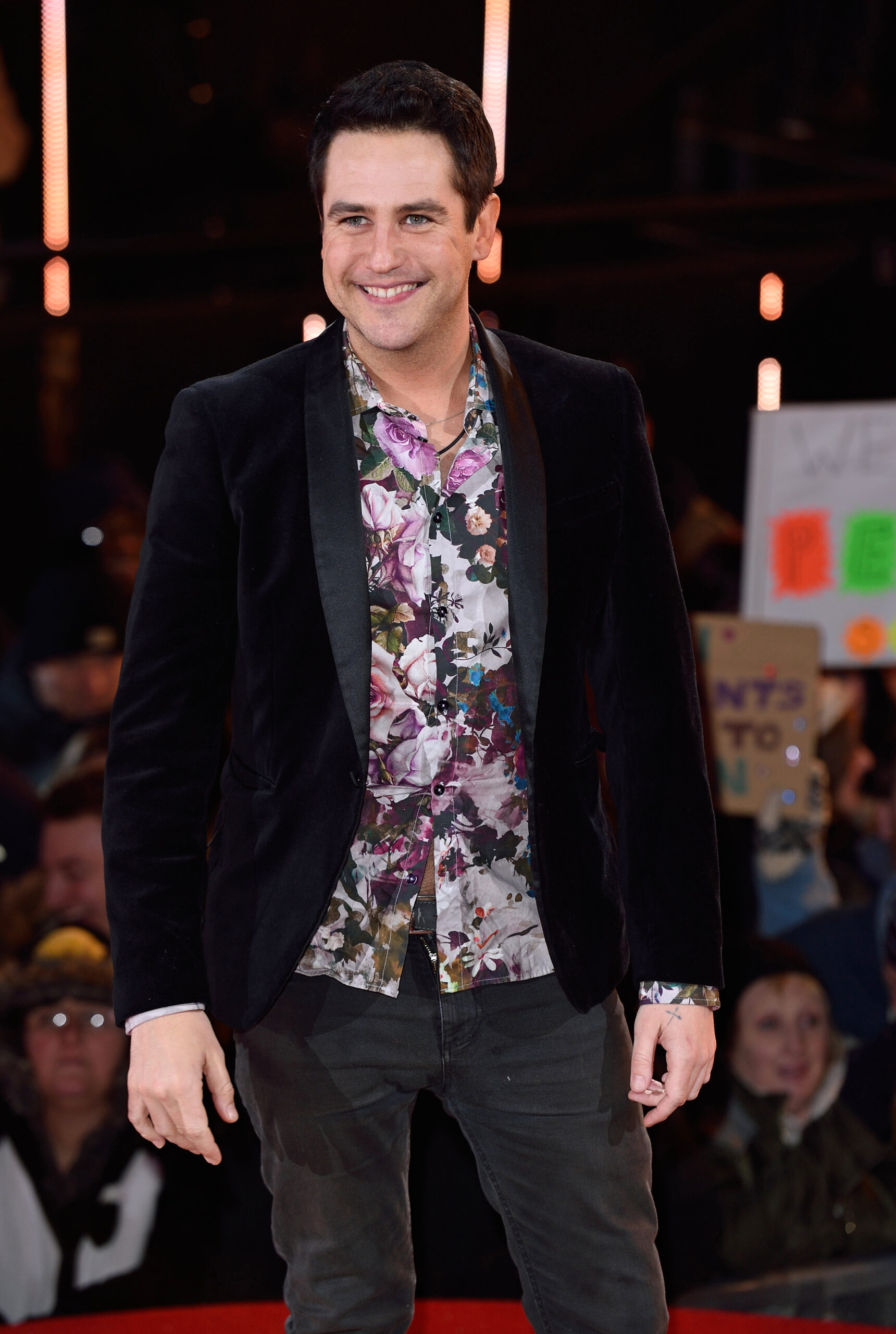
The demands of his era required constant performance, not only on stage but in everyday life. Looking back, he describes it as emotionally draining, yet he felt compelled to keep moving forward. His gratitude for success and intense ambition left little room for self-acceptance.
His journey toward help came unexpectedly when he received an email from a lawyer. A long-standing defamation case from the 1990s had been settled, and the payout was more substantial than anything he’d seen in years. The timing was uncanny, arriving during a period of deep struggle as he sat drinking wine from a coffee cup.
With this unexpected windfall, he reached out to his AA sponsor for assistance in finding a private rehab facility. Feeling completely out of control, he knew he needed a safe place to be. A friend drove him to the clinic, where he admitted to the staff that he feared alcohol had caused lasting harm.
The reality of his decline struck hard. He feared alcohol would ultimately kill him, as he had witnessed happen to others, a fear that loomed over what would become his final stay in rehab.
For reasons even he struggles to articulate, rehab finally worked. Anthony Gerard Kavanagh, better known as Kavana, has now maintained sobriety for over three and a half years.
His recovery is built on small, consistent habits: starting each day with a quiet prayer, attending meetings, and staying connected to his support network. He credits the simplicity of these actions and the move away from overthinking with keeping him on course.
In his first year of sobriety, Kavanagh wrote ‘Pop Scars,’ a deeply personal narrative of his journey. He remains aware of how far he has come and how easily everything once unraveled.
Now, he takes pride in identifying as an author. While music is still a possibility for the future, he has also considered producing a one-man show, eager to share his story in new ways.