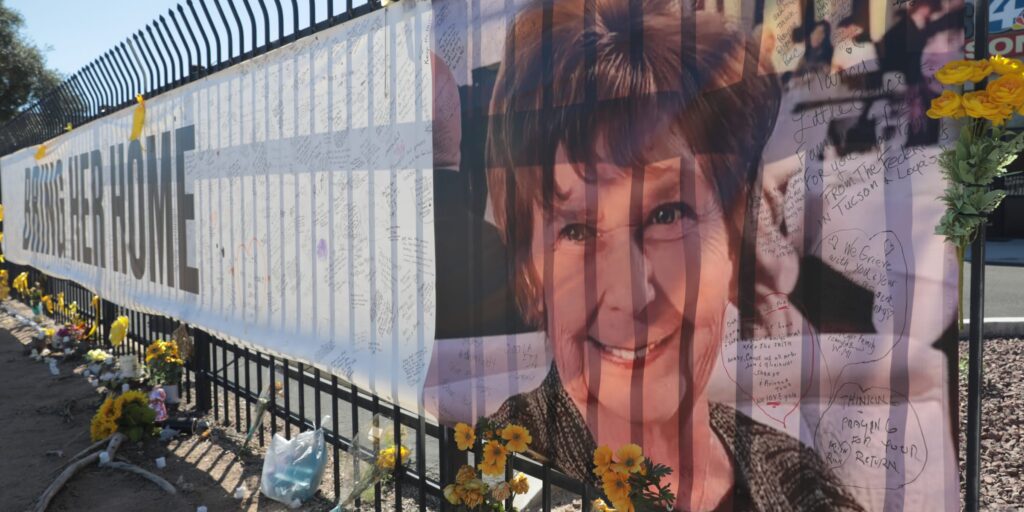
Nancy Guthrie Case: Veteran Investigator Reveals the Potential General Suspect Profile and Theorizes Where Nancy May Be Found
What started with unsettling messages and many unanswered questions has taken a darker path, as an expert’s theory suggests the reality may be less calculated and more tragic than anyone anticipated.
The mystery surrounding Nancy Guthrie’s disappearance has raised numerous painful questions, but a veteran investigator has now presented a theory that makes the case feel even more unsettling.
Before diving into that chilling possibility, it’s important to note another detail that sets the tone for the entire mystery: the strange ransom notes that surfaced in the initial days after Nancy’s disappearance. These notes not only hinted at a financial demand but also shifted the narrative from a potential kidnapping-for-ransom scenario to something much darker.
The Initial Ransom Note
By the time the first ransom note was received, Nancy had already disappeared from her Tucson life. The email arrived about a day after her abduction.
The message stated that Nancy was ‘safe but scared.’ Those words were haunting; they implied fear while also suggesting she was alive.
For a family desperate for confirmation of Nancy’s survival, that phrase might have been the tiniest thread of hope. However, the rest of the message was cold and calculated, centered around a deadline.

The sender demanded $4 million in Bitcoin, stating that if the family paid by 5 p.m. on February 5, 2026, Nancy’s return would be arranged. The pressure escalated with a warning that the ransom would increase to $6 million if not paid within four days.
This type of demand was clearly designed to provoke panic. There was no room for negotiation, no soft landing, and no reliable way to verify the sender’s truthfulness. The chilling words ‘Or else’ at the end made the message feel even more ominous.
At that time, the case still held a terrible possibility. If Nancy was ‘safe but scared,’ perhaps she could still come home. The ransom notes, the pleas, the pressure from law enforcement, and public attention might force her return… But the phrase ‘Or else’ loomed over the search like a waiting threat.
Five Days Later, Hope Diminished
While the first note created a countdown, the second one changed the entire meaning of that countdown. On February 6, another email arrived from the same IP address as the first note. This connection was significant for investigators.

This second message, referred to by those close to the investigation as the ‘bad’ email, lacked the same harsh confidence. It began with what a source described as a rambling ‘apology.’ This was not an apology for taking Nancy but rather for her inadvertent death.
With this, the search ventured into a darker realm. Until that point, the narrative had been about a kidnapping: a missing mother, a ransom demand, a family pleading for contact, and investigators racing against time.
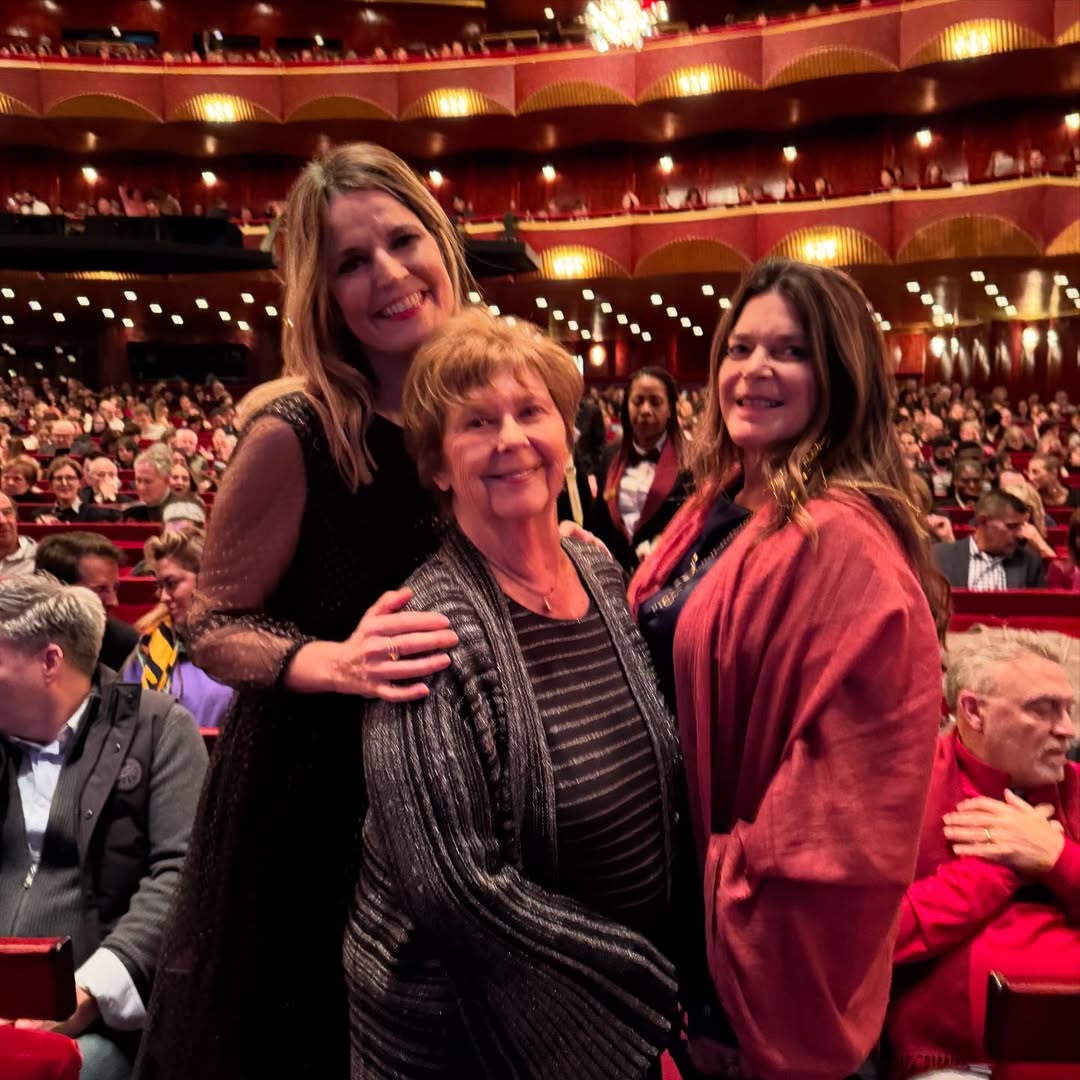
But if the second message was genuine, the case now hinted at something worse. Investigators concluded that Nancy’s disappearance was no longer merely a kidnapping; it also suggested a potential homicide.
The message became even more disturbing. The sender allegedly indicated that Nancy’s body could be returned for a fee. It was unclear whether that amount matched the original $4 million or was something different. This shift sent chills down the spine.
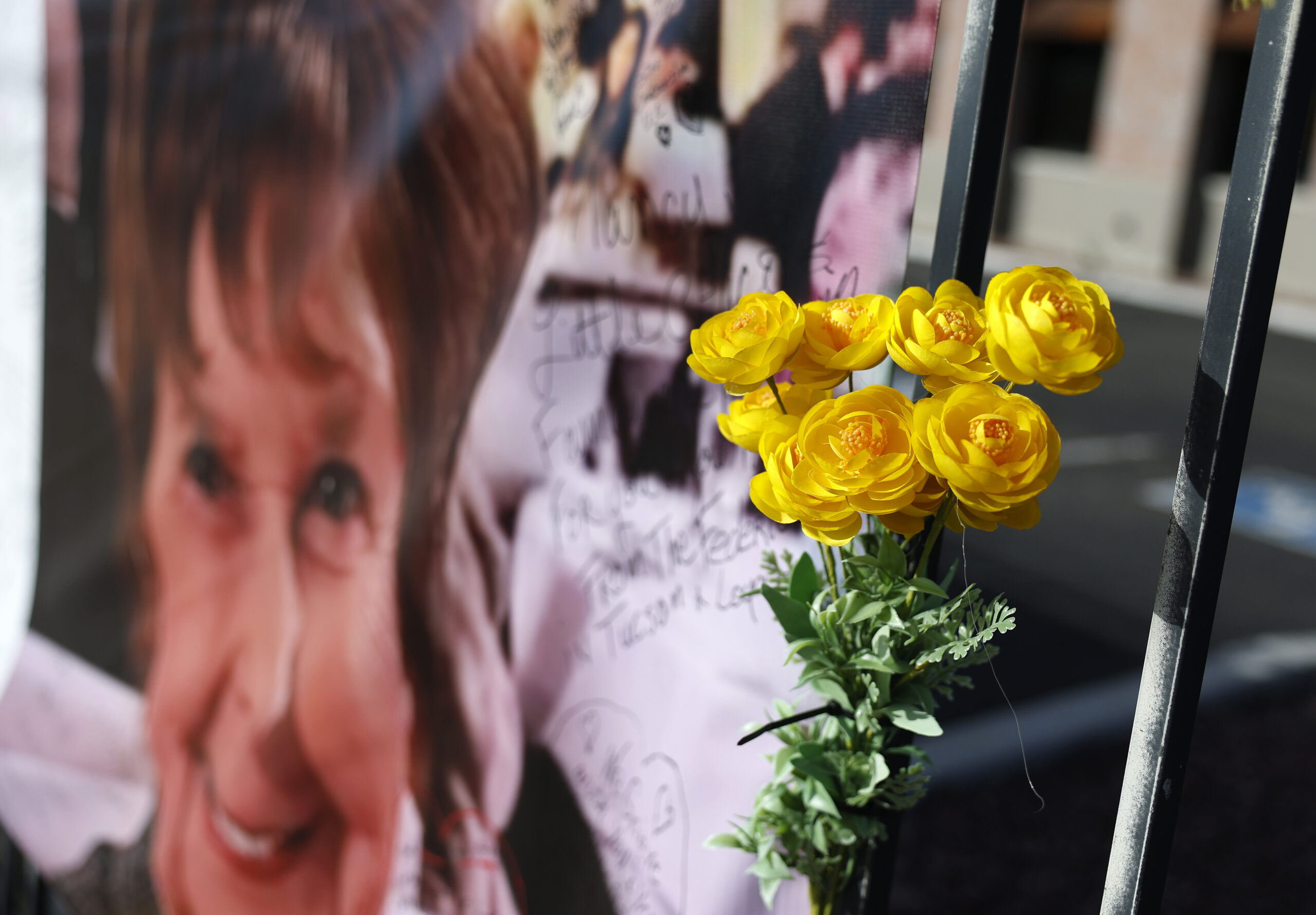
The first note seemed to demand money for Nancy’s living return, while the second suggested payment for her body.
Expert Insights on the Case
That detail alone would haunt any family, but a seasoned death investigator has offered a theory regarding what might have transpired after Nancy was allegedly taken from her home. Her perspective points towards a suspect who might not have been a mastermind.
Barbara Butcher, an experienced medicolegal death investigator and host of Oxygen’s ‘The Death Investigator,’ shared her beliefs about Nancy’s disappearance.
Barbara, who worked for years with one of the largest medical examiner’s offices in the country, theorized that Nancy may have been targeted by someone local. This person may not have been a stranger from afar and likely did not have an elaborate plan.
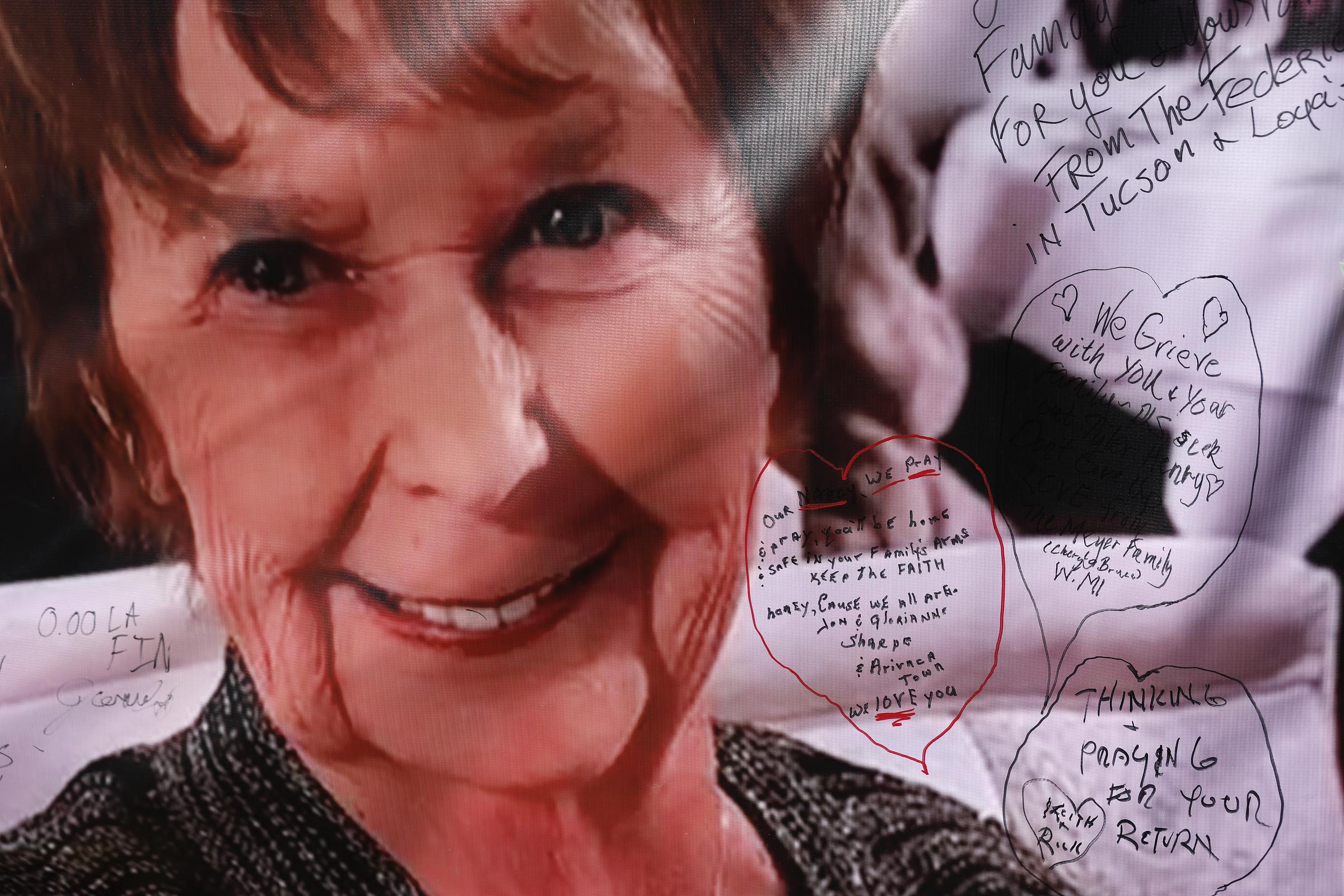
Barbara suggested that the individual might have known just enough about Nancy’s family to make a dangerous assumption.
‘I find it flabbergasting that anyone would take a woman her age, but what I think is probably the case is that someone in the area, maybe a handyman, maybe a service person, found out that Mrs. Guthrie was the mother of Savannah Guthrie and thought, ‘Oh, she must be rich,’
‘So this person is not well,’ she added, highlighting a grim theory. This perspective raises the possibility that Nancy was allegedly targeted because of her family’s perceived wealth.
This angle on the ransom note becomes increasingly unsettling. If the intent had genuinely been ransom, one would expect clear demands, a plan, and follow-up communication. However, Barbara noted that the absence of a credible ransom demand only amplifies the alarm surrounding the case.
She mentioned that as time passed without any valid demand or useful information, she considered another possibility…
‘My second thought was that after time, when there was no valid ransom demand or any information forthcoming, it’s probably likely that Mrs. Guthrie died of shock, fright, heart disease, whatever it was, very soon after being taken from her home,’ the expert remarked.
A Disturbing Theory About Nancy’s Current Location
The investigator’s theory then leads to the haunting question of where Nancy could be. Barbara expressed her feelings candidly: ‘And that’s just horrifying to me…and so now this kidnapper had nothing and probably, unfortunately, took her body into the desert and buried her there.’
This possibility reframes the entire case from a ransom mystery into a more tragic crime committed by someone who may have misjudged Nancy’s life, health, and familial situation.
Of course, Barbara’s remarks represent a theory rather than a confirmed conclusion. No public statement has identified a specific suspect, and Barbara herself described a general profile rather than naming anyone.
Nonetheless, her insights are striking as they connect several unsettling elements: Nancy’s age, the alleged ransom aspect, the lack of a credible demand, and the possibility that the responsible party may have quickly attempted to conceal what transpired. The result is a profoundly sad and disturbing narrative.
The Last Ordinary Evening
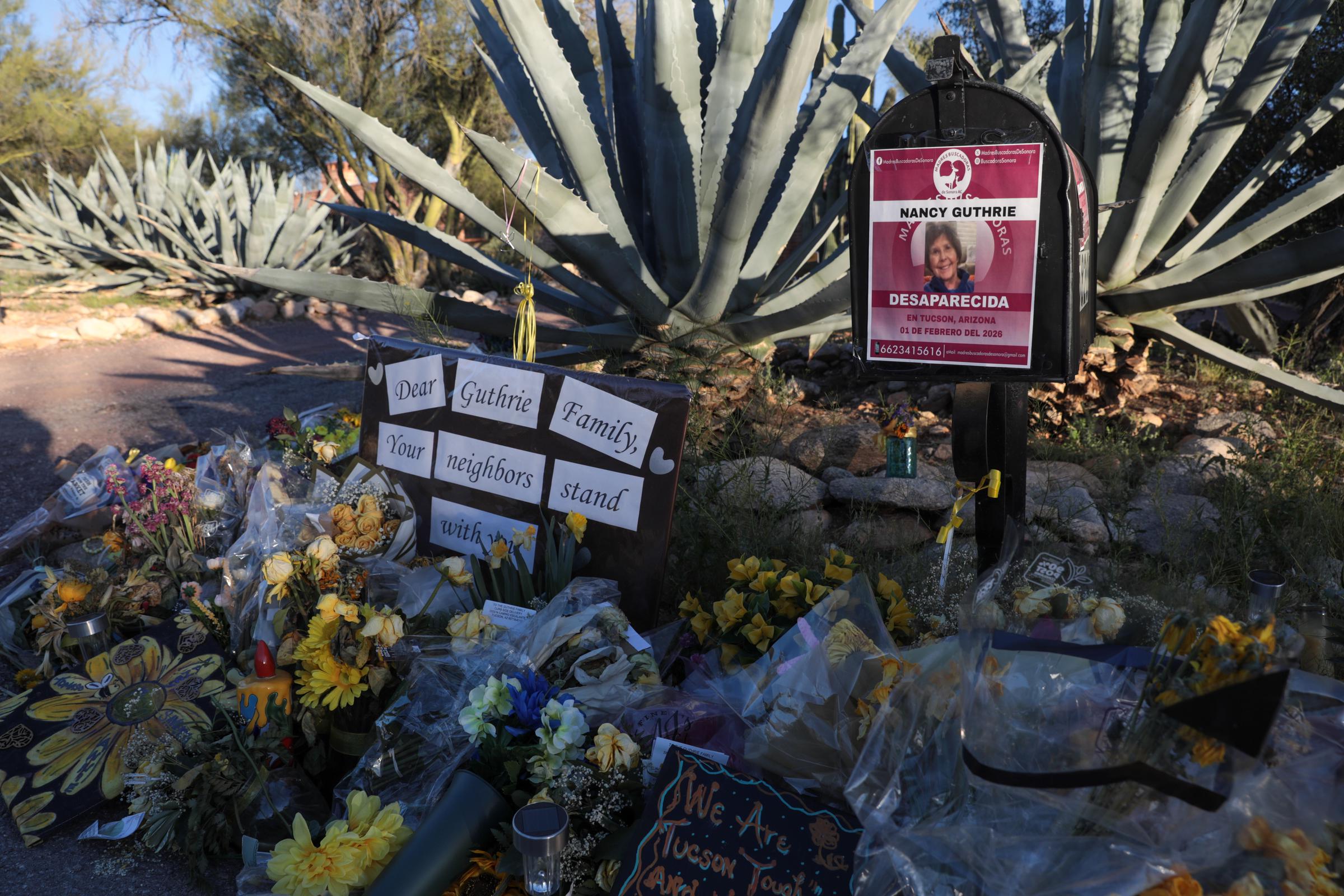
To grasp how deeply Barbara’s insights and the ransom messages have fractured the case, it helps to revisit the last ordinary night anyone can place Nancy in the timeline. She was last seen on Saturday night, January 31. She arrived at her daughter Annie’s home at 5:32 p.m. and had dinner there, surrounded by familial warmth.
Later that night, she was dropped off at her own home in Tucson, Arizona, around 9:48 p.m. Her son-in-law, Tommaso Cioni, waited until he saw Nancy safely inside before driving away.
At 9:50 p.m., her garage door closed. This specific detail became one of the last markers of Nancy’s known life before the mystery began. The garage door closed; Nancy was thought to be home; the night should have ended there. But after that, the trail began to twist…
In the early hours of February 1, the first odd signs emerged. Nancy’s doorbell camera disconnected at 1:47 a.m. About 25 minutes later, software detected movement — possibly from a person or an animal — on a camera. Then, at 2:28 a.m., Nancy’s pacemaker app disconnected from her phone.
Each detail, when considered alone, might have allowed for doubt. But collectively, they formed a troubling pattern. By Sunday morning, Nancy had not made it to church. For those familiar with her routine, that absence was enough to raise alarms.
A friend contacted Nancy’s family. They checked on her and then informed the sheriff’s department around noon.
Authorities arrived at Nancy’s residence at 12:15 p.m. and determined that she was missing under ‘concerning’ circumstances.
The concern was immediate. The 84-year-old had limited mobility and depended on daily medication. This was not a woman who could easily vanish without assistance. The house, the disconnected technology, and her absence from church all seemed to indicate that something was wrong.
She Didn’t Leave Voluntarily
On February 2, Pima County Sheriff Chris Nanos publicly confirmed that Nancy’s disappearance was being treated as a crime. He encouraged neighbors to check their home surveillance footage. Investigators found items at Nancy’s home that raised concerns. Then Nanos made a statement that sharpened the entire investigation:
‘She didn’t walk from there. She didn’t go willingly.’
This declaration changed the emotional tone of the search. Nancy was no longer merely missing; she had been ‘abducted.’ Authorities believed someone had taken her, transforming her quiet Tucson home into a crime scene where the central figure was in danger. A missing person’s flier described Nancy as five feet, five inches tall, with brown hair and blue eyes, weighing 150 pounds.
Blood at the Door, Bitcoin in the Message
By February 3, the clues had become more alarming. Authorities announced they were analyzing a ransom note that included details about Nancy’s clothing from the night she disappeared. The note demanded payment in Bitcoin. Concurrently, investigators were examining what appeared to be drops of blood outside her front door.
A law enforcement source revealed that blood was also discovered inside the house. The blood found outside was later confirmed to belong to Nancy. This detail stripped away some of the case’s remaining softness. This was not just a disappearance; it might have involved violence, or at least injury, near the threshold of Nancy’s own home.
Despite this, there was still no suspect. Surveillance footage had yet to provide investigators with the answers they needed. Sheriff Nanos remarked that nothing had emerged that clearly identified ‘your bad guy.’ The case had evidence, fear, and urgency, but not a suspect’s face.
The First Public Plea
On February 4, the investigation still had no identified suspect or person of interest. That night, the FBI returned to Nancy’s home with canines, following up on leads in the darkness.
Meanwhile, Savannah and her siblings made their first major public appeal. In a video, Savannah addressed the possible captor(s) and requested proof that Nancy was still alive. She stated:
‘We live in a world where voices and images are easily manipulated. We need to know without a doubt that she is alive and that you have her.’
It was both a journalist’s statement and a daughter’s plea. She understood deception but also needed hope. Savannah expressed the family’s readiness to listen and asked whoever had Nancy to reach out. She also highlighted her mother’s fragile health.
‘Mommy, if you are hearing this, you are a strong woman,’ Savannah said.
At that moment, the family’s public message was unmistakable: Show us she is alive and tell us how to bring her home. The subsequent messages would complicate that plea even further…
The First Deadline Approached
On February 5, the ransom demand reached its critical juncture. Sheriff Nanos stated at a press conference that authorities believed Nancy was ‘still out there.’ FBI Special Agent Heith Janke confirmed that the note included a 5 p.m. deadline. He indicated that if a transfer was not made, there would be a second demand the following Monday.
He did not disclose what the note suggested would occur if the demands were ignored, adding to the fear. The FBI announced a $50,000 reward for information leading to Nancy’s recovery or to the arrest and conviction of those involved. Authorities continued to solicit tips, emphasizing that just one piece of information could break the case.
That evening, Camron made another plea for contact. He expressed that the family had not received any direct communication and needed a way to communicate with the person who had taken their mother. But the next day, a message arrived… and it was not the kind anyone had hoped for.
The ‘New Message’ Arrived
On February 6, a local news station received a second message. However, they withheld details out of respect for the family and the investigation. Publicly, authorities acknowledged awareness of a ‘new message’ and were verifying its authenticity.
The Pima County Sheriff’s Department stated that investigators were actively examining the information. This was reportedly the communication containing the rambling ‘apology’ for Nancy’s inadvertent death.
It was the message that may have transitioned the investigation from a kidnapping to a potential homicide, and it was the message Savannah seemed to respond to the very next day.
The Search Transitioned from Hope to Terrain
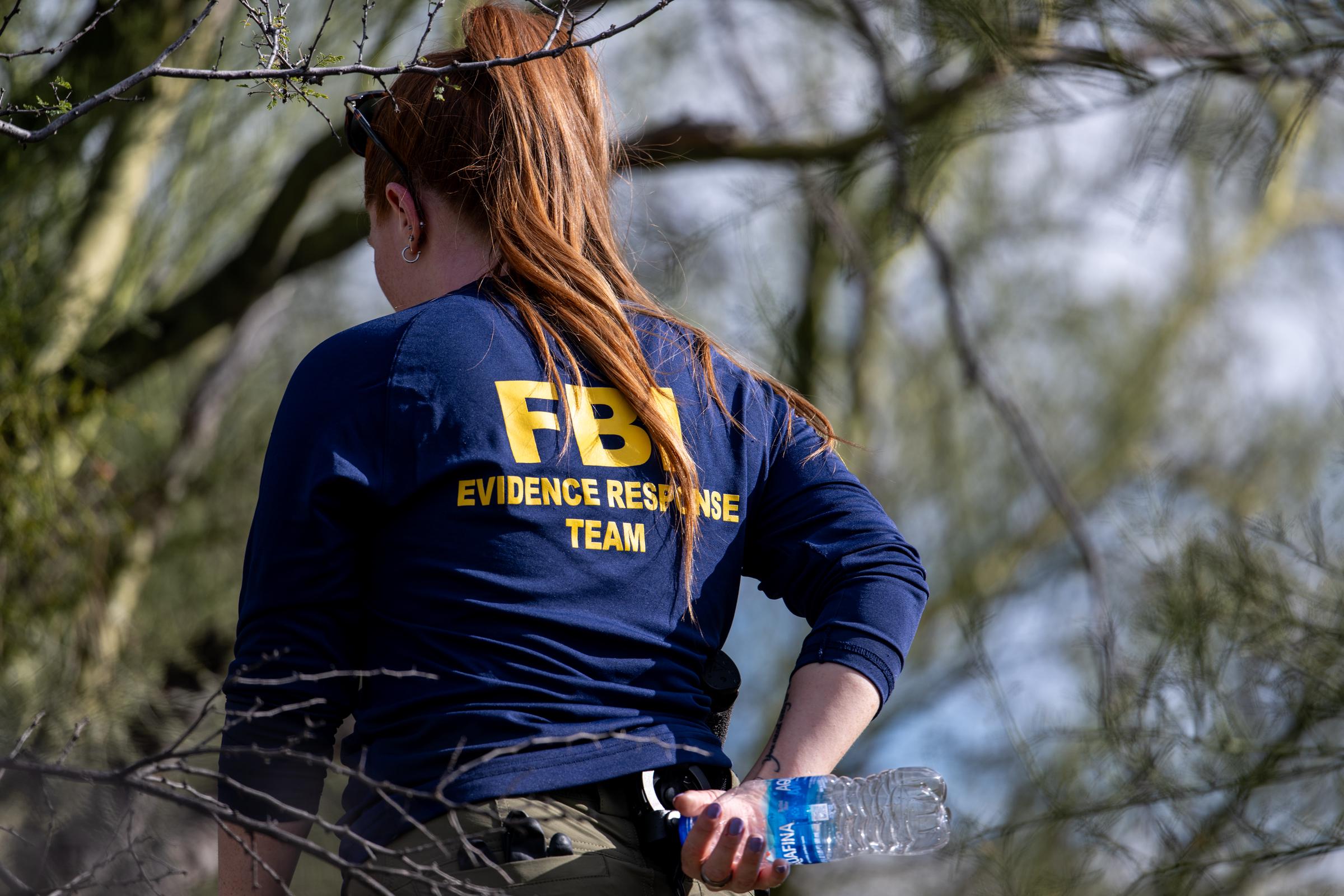
Following the second message, the investigation tightened its focus on physical locations. On February 7, just a few hours after Savannah’s video, investigators visited Annie’s home, where Nancy had shared dinner the night before her disappearance. They spent about two and a half hours there, primarily examining the garage.
Two law enforcement sources indicated that investigators were ‘developing good information,’ although ‘nothing is imminent.’ This phrase was frustrating, suggesting movement but not resolution.
On February 8, detectives returned to Nancy’s home, focusing on the backyard and searching what appeared to be a septic tank. This search detail hinted that officials were no longer just looking for a person; they were seeking traces.
An Hour of Desperation
By February 9, the search had entered its second week. A second ransom deadline was approaching. Investigators canvassed nearby gas stations, searching for suspicious vehicles captured on surveillance cameras around the time of Nancy’s disappearance. A sheriff’s deputy was stationed outside Nancy’s home around the clock.
The case was now both a criminal investigation and a protected scene. That afternoon, Savannah made another public appeal. She described the family as being ‘at an hour of desperation.’ She urged that law enforcement was working tirelessly to bring Nancy home and requested anyone, even those far from Tucson, to report any unusual activity.
The plea carried a new urgency. The family had already received messages; investigators had identified blood; the clock had already moved past the first demand, yet Nancy remained missing.
A Face Without a Name
On February 10, authorities finally released images and video of a subject related to Nancy’s disappearance. The individual was masked, gloved, and carrying a backpack.
The footage was recovered from Nancy’s home security camera system after initially being inaccessible. One video depicted the figure approaching the front door and raising a gloved hand toward the camera. Another showed the individual holding a flashlight in their mouth before covering the camera lens with foliage. The person appeared to be armed.
For the first time, the public could see a figure linked to the mystery. However, seeing someone was not the same as identifying who he was. Savannah reacted to the images by stating: ‘We believe she is still alive. Bring her home.’
Hours later, a subject was detained during a traffic stop south of Tucson and questioned in relation to the case. It seemed, for a moment, that the investigation might have identified a person of interest. But the story did not conclude there…
The Man Who Claimed Innocence
On February 11, a man who stated he had been questioned as a person of interest spoke to reporters after being released. He only identified himself as Carlos and denied knowing Nancy.
‘I didn’t do anything… I’m innocent,’ he declared. Authorities did not confirm whether Carlos was indeed the person of interest or that he had been released. A woman named Josefina Maddox, whose home was being searched by authorities, insisted that her son-in-law was ‘not involved.’ She stated that authorities were ‘just invading my property’ and asserted, ‘we’re not hiding anything.’ The public had witnessed a potential suspect image, heard of a detention, and then watched certainty vanish again. The mystery persisted.
The Backpack Trail
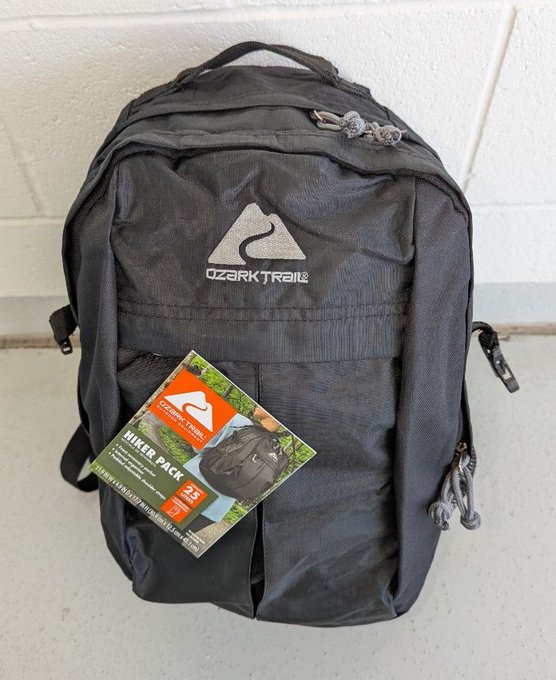
On February 12, the FBI released the first physical description of the suspect, noting he was a male of average build, approximately 5-foot-9 or 5-foot-10. The black 25-liter Ozark Trail Hiker Pack backpack observed in the doorbell footage became a significant clue. The FBI increased its reward to $100,000 for information leading to Nancy’s location or to an arrest and conviction.
Around this time, investigators were also examining black gloves found during the search. These gloves appeared to resemble those worn by the figure in the video.
For investigators, the case began to revolve around objects: a backpack, gloves, a mask, a camera, a door, a pacemaker signal. Each item held the potential for a name. Yet each still needed to prove its connection to the narrative.
On February 15, the FBI announced that a black glove found near Nancy’s home contained DNA evidence. This glove seemed to match those worn by the individual in the surveillance footage. The agency awaited confirmation before submitting an unknown male profile to CoDIS, the national DNA database. This appeared to be a clue that could potentially crack the case.
A glove; DNA; a possible match to the video. However, two days later, on February 17, authorities reported that the unknown male DNA profile did not match anyone in the national database.
Additional DNA evidence collected from Nancy’s home was still being analyzed. The trail had not ended, but it had not yielded answers either.
The Family Was Cleared, and the Search Went Technical
On February 16, Sheriff Nanos publicly cleared all members of the Guthrie family and their spouses from suspicion. He stated that they had been cooperative and gracious, adding that suggesting otherwise was cruel. This mattered.
High-profile cases often attract unkind speculation, and the sheriff’s statement clearly delineated the family as victims rather than suspects.
Meanwhile, investigators scrutinized the suspect’s attire. They believed the clothing and mask captured in the security video may have been purchased at Walmart, either in-store or online.
Furthermore, the Ozark Trail backpack was exclusively sold at Walmart. Sheriff Nanos referred to the backpack as ‘one of the most promising leads’ in the case. Investigators reviewed surveillance footage from local Walmart stores, and the company provided records of Ozark Trail Hiker purchases made in recent months. They also deployed a high-tech tool known as a ‘signal sniffer.’
Mounted on a helicopter, this device was designed to detect low-power electronic signals, including those that might come from Nancy’s pacemaker. It painted a heartbreaking image: a mother was missing, and investigators were searching the sky for a faint signal from her body.
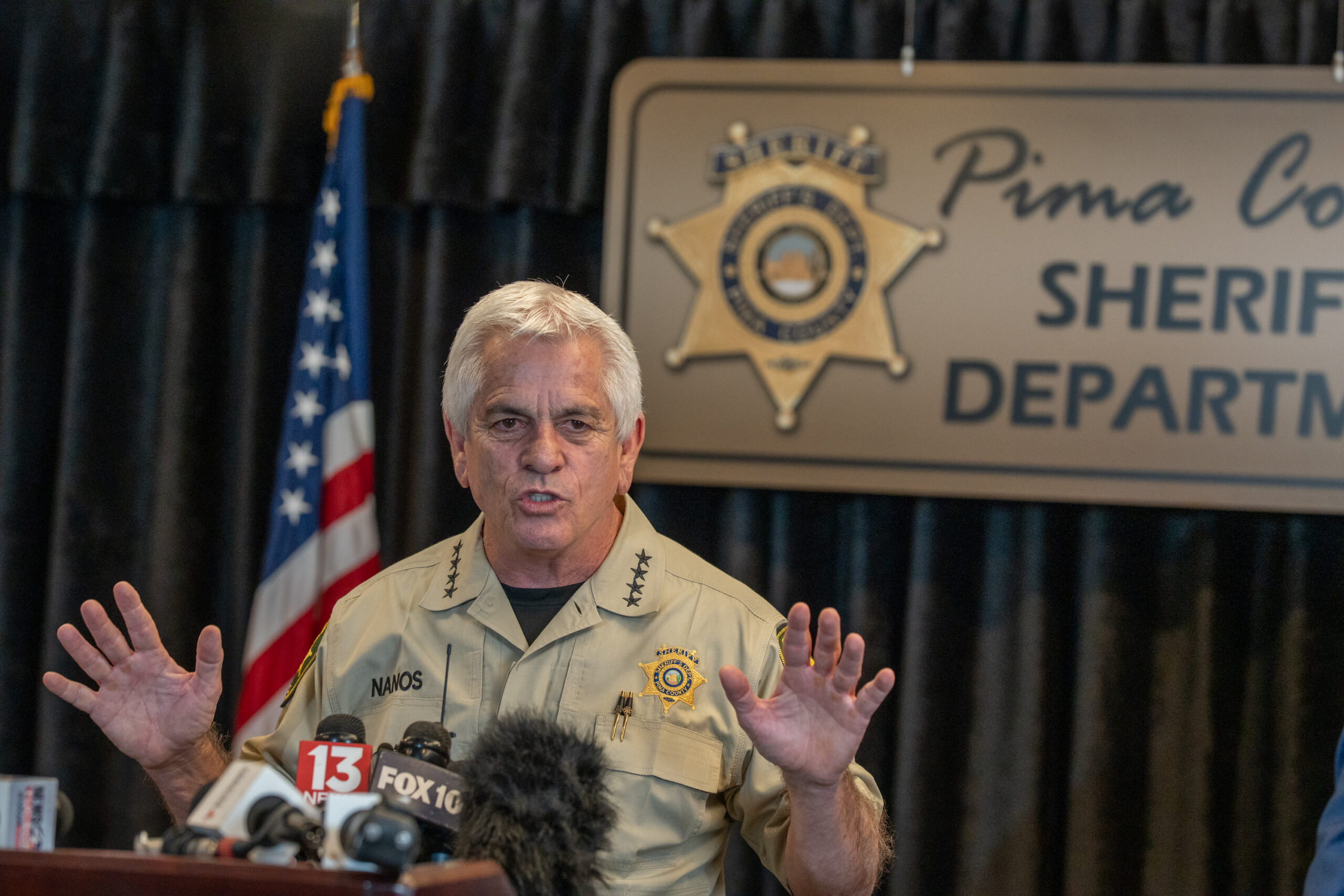
As February progressed, the search expanded beyond Tucson. Investigators had not dismissed the possibility that an accomplice might have assisted the suspected kidnapper. They were also still attempting to recover additional camera footage from Nancy’s property. Sheriff Nanos mentioned in an interview that he believed Nancy was being held close to her home.
However, questions about Mexico also arose. A nonprofit search group in Sonora stated it had been contacted by a family member of Nancy’s to assist in the search. Law enforcement sources later mentioned that the FBI had been in touch with Mexican officials. Nevertheless, authorities stated there was no evidence indicating Nancy had been taken into Mexico.
Officials in Sonora echoed this sentiment. The border theory added a layer of fear but provided no certainty. The case continued to expand without resolution.
Had the Suspect Been Present Before?
On February 23, another disconcerting possibility emerged. A law enforcement source indicated that the masked suspect seen in the doorbell footage seemed to have been at Nancy’s front door prior to the night she vanished.
One image released by the FBI reportedly depicted the individual without a backpack. This image was captured sometime before the suspected abduction, though the exact timing remained unclear. The Pima County Sheriff’s Office cautioned that no date or timestamp was available for the images. Still, the notion lingered…
If the individual had been there before, Nancy’s disappearance may not have been an abrupt intrusion. It could have been preceded by observation, plotting, or testing. This possibility altered the perception of the home itself. The front door was no longer simply where the crime might have started; it may have been where someone had stood before.
A Million-Dollar Plea
On February 24, Savannah announced that the family was offering an additional reward of up to $1 million for information leading to Nancy’s whereabouts. By this time, the public dialogue surrounding the case had begun to shift.
Savannah expressed that the family still believed in a miracle. However, she also acknowledged that Nancy ‘may be lost.’ She stated: ‘She may have already gone home to the Lord that she loves.’
This was not a relinquishing of hope; it was the voice of someone enduring uncertainty for far too long. Savannah continued to implore anyone with information to come forward. ‘Someone out there knows something that can bring her home,’ she urged.
The term ‘home’ had grown more significant than mere survival. It represented answers, Nancy’s location, and whatever form of return was still feasible.
The Investigation Prepared for a Long Road
On February 26, a law enforcement source stated that the FBI was relocating its command post from Tucson to Phoenix. This move was framed as a practical decision for the long term.
Most agents working on the investigation were based in Phoenix, while investigative squads, evidence recovery teams, and SWAT teams would remain in Tucson. The source emphasized that the investigation was still ongoing at full capacity. This detail was crucial, as the move could have been interpreted as a winding down. Instead, officials presented it as preparation for endurance. This was not a search slowing down; it was a search gearing up for the long haul.
The Glove Lead Diminished
On March 4, another clue lost its significance. The Pima County Sheriff’s Department announced that DNA from gloves found about two miles from Nancy’s home had been traced to a local restaurant worker.
This individual had no ties to the investigation. The gloves had initially seemed significant because they resembled those worn by the suspect in the doorbell video. Now, at least that aspect of the trail had been ruled out. The department mentioned that lab analysis was still ongoing for other DNA evidence.
This served as a reminder that in cases like this, not every clue is tied to the mystery. Some merely appear to be.
Savannah Returned to ‘Today’ as the Story, Not the Anchor
By late March, Nancy’s daughter returned to ‘Today,’ but in a manner viewers were not accustomed to. She was not leading the broadcast from the anchor desk.
Instead, she was seated on the other side of the interview on March 25, discussing her missing mother. Savannah’s first public interview regarding Nancy’s disappearance was with Hoda Kotb, her colleague, confidant, and emergency stand-in.
The conversation aired in two parts and was described as agonizing to watch. Both women were emotional, contrasting sharply with the composure typically expected from morning television anchors.
This reversal lent the interview its emotional weight. Savannah, who had spent years posing difficult questions for a living, was now the one attempting to answer them while enduring the crisis. She spoke about the unbearable possibility that Nancy may have been targeted ‘because of me,’ describing that thought as ‘too much to bear.’
Savannah also expressed her belief that the ransom notes were genuine while admitting, ‘We don’t know anything.’ This contradiction captured the anguish of the case. There were clues that felt real, messages that seemed significant, and evidence and law enforcement activity.
Yet there was still no sign of Nancy. Savannah also spoke more openly about her faith than before, stating she felt assured by God that Nancy was with Him. For the first time, she publicly contemplated the possibility that her mother was ‘in Heaven.’ The interview did not resolve the case, but it illustrated the toll Nancy’s situation was taking on those at its heart.
One Hundred Days Without an Answer
On May 12, 100 days had passed since Nancy’s disappearance. The painstaking process of DNA analysis continued. However, publicly, there were few clear signs of progress. Sheriff Nanos stated it would be inappropriate to discuss the evidence in detail.
He also remarked that investigators needed to protect the integrity of the case in case an arrest was made. This created a difficult balance in a public investigation: the family and the public sought answers, while law enforcement required silence.
Nanos confirmed that authorities were diligently working with their partners to resolve the case. Still, time marched on. One hundred days meant one hundred mornings without Nancy. One hundred nights without knowing her whereabouts.
The June Revelation That Recontextualized the Beginning
Then, on June 22, new insights emerged regarding the ransom notes. This detail not only added more information but altered the perception of earlier moments.
The first note had stated Nancy was ‘safe but scared.’ It demanded $4 million in Bitcoin, warned of a price increase, and concluded with ‘Or else.’ The second note came from the same IP address. It began with an ‘apology’ for Nancy’s inadvertent death.
It then seemingly suggested that Nancy’s body could be returned for a fee, and the very next day, Savannah appeared on camera, indicating the family had received the message and understood.
This sequence is now at the core of the mystery. If Savannah was already aware of what the second message claimed, her video was not only a public appeal but also a coded conversation with the person who plunged the family into grief.
Her line — ‘return our mother to us, so that we can celebrate with her’ — now feels less like an expression of hope and more like a plea for dignity. And ‘This is very valuable to us, and we will pay’ may have been a response to a horrific offer. This is why the ‘apology’ holds significance. This is why the term inadvertent death matters.
And this is why the chilling ‘Or else’ from the first note now feels like a pivotal point between two interpretations of the case. One interpretation was a kidnapping with a ransom demand; the other was a probable homicide, with a family trying to bring Nancy home in whatever way remained.
Nancy remains the focal point of this story; not the notes, not the videos, not the public speculation. Nancy — the mother who went to dinner, returned home, and vanished into a mystery that has only grown more ominous with time.
However, the ransom notes have altered how the narrative is interpreted. They transformed Savannah’s most cryptic words into something almost unbearably clear.
Sometimes the truth of a message is not in what is overtly stated. Sometimes it is concealed in what a daughter cannot yet articulate.