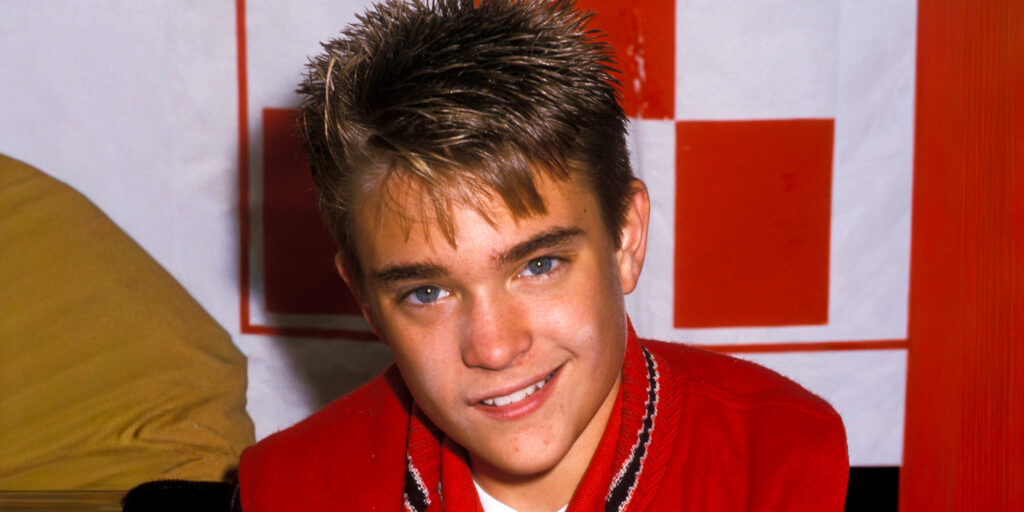
He Was ‘Every Teenage Girl’s Dream’ in the ’90s – Now He Is a Psychologist Living a Quiet Life
The former teen sensation was a familiar face on magazine covers and one of the most recognized figures on television among youth.
Before stepping away from fame, this actor and producer spent a significant portion of his childhood on set. He appeared in various popular shows that established him as a household name and a regular presence in American homes. Today, he has embraced a completely different career path and is thriving in it.
A Childhood Sacrificed for Fame
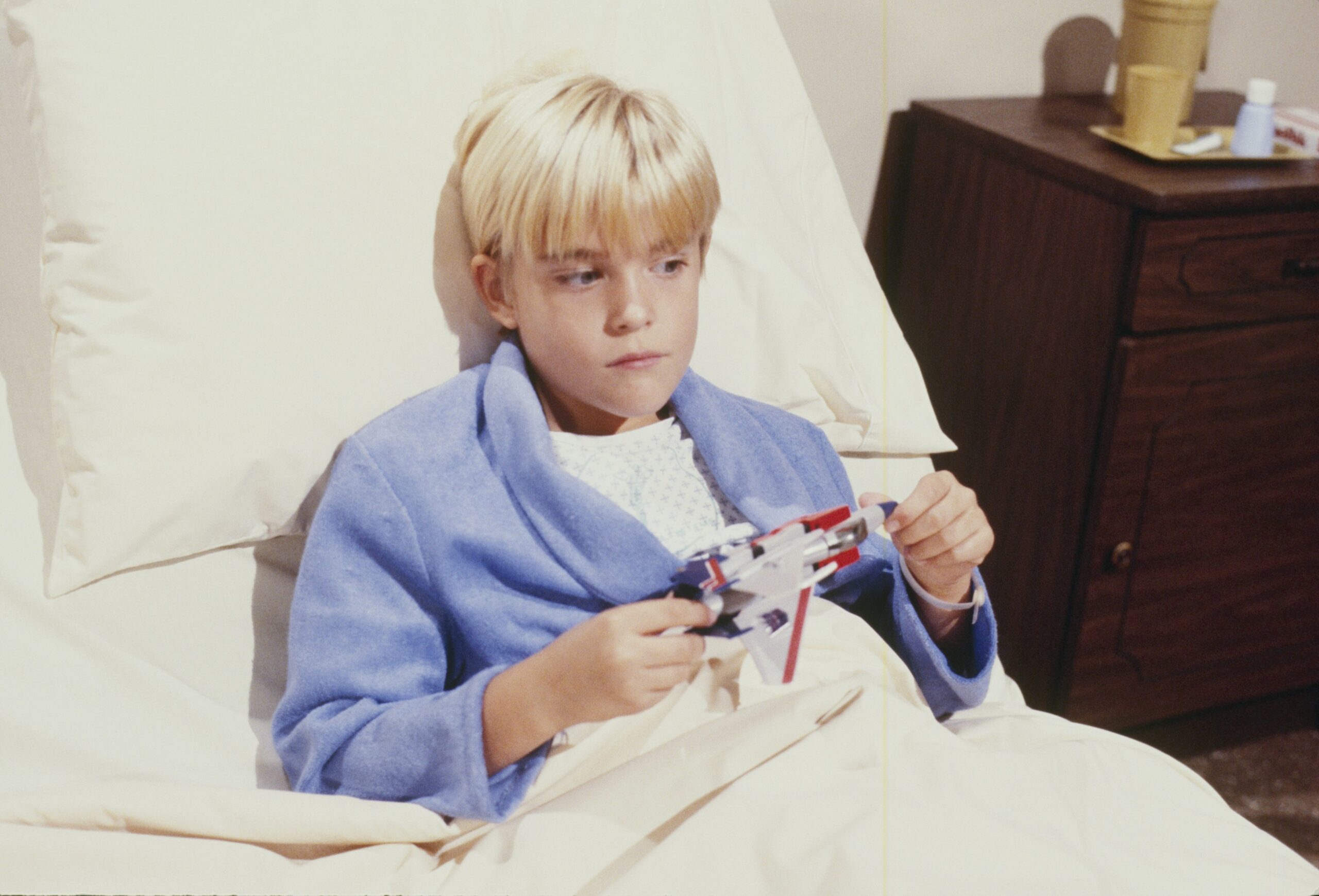
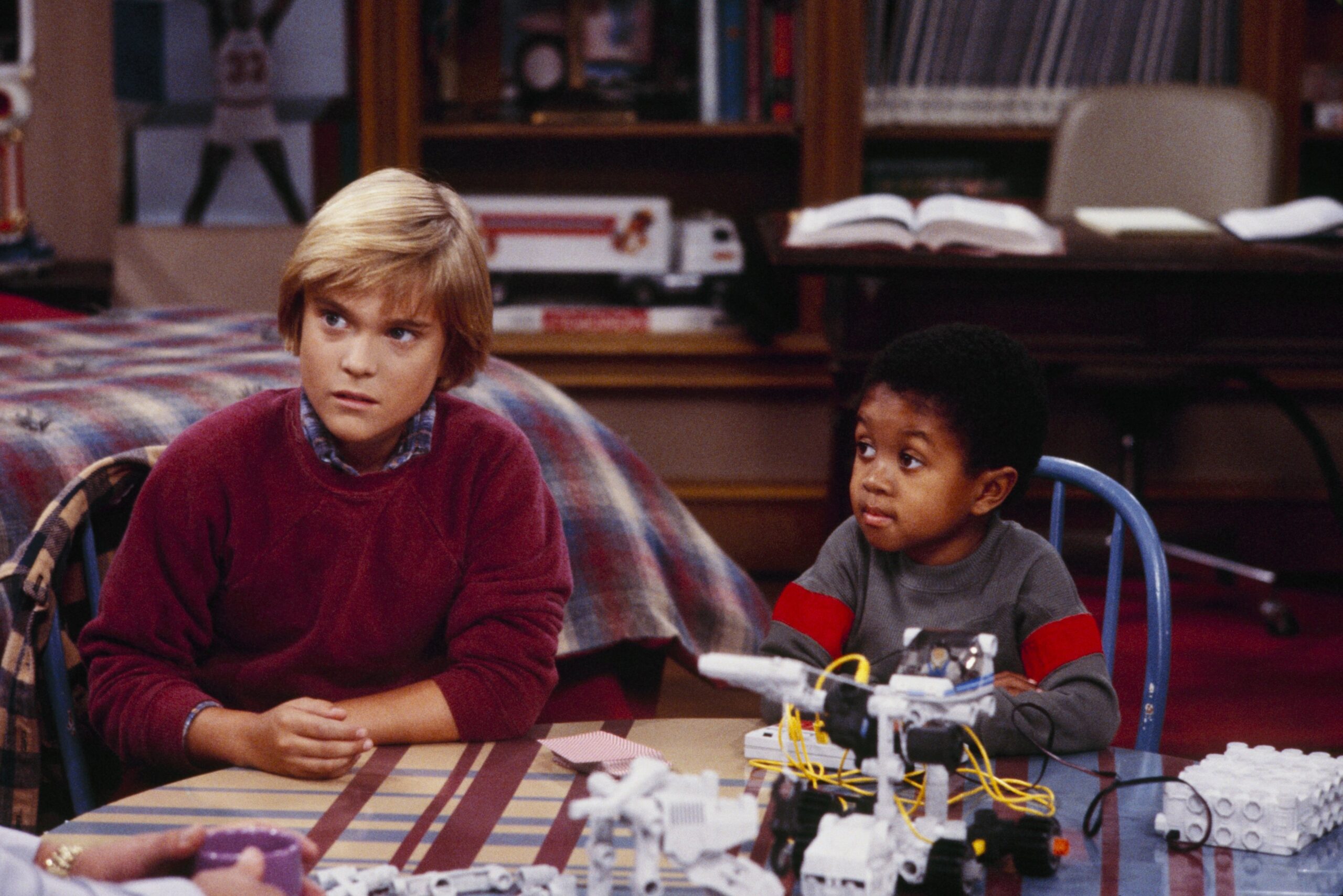
The teen idol essentially grew up performing, juggling school with long hours on the sets of five different television shows. Among these were ‘Our House’ and ‘My Two Dads,’ where he acted alongside Paul Reiser.
"My memories are this: I played pretend, and I was good at it and enjoyed it for many reasons, but then suddenly people were making a lot of money, and I didn’t want to do it anymore," he shared.
He landed his first acting role at just eight years old, portraying an autistic child on the medical drama ‘St. Elsewhere.’ Before filming, his mother helped him grasp the character, explaining that autistic children often exist in their own world.
"And I got that. I would sit there, creating an entire world in my mind, following patterns on the wall, as if there was an imaginary battle between the shapes. So I felt like I understood my role," he remarked.
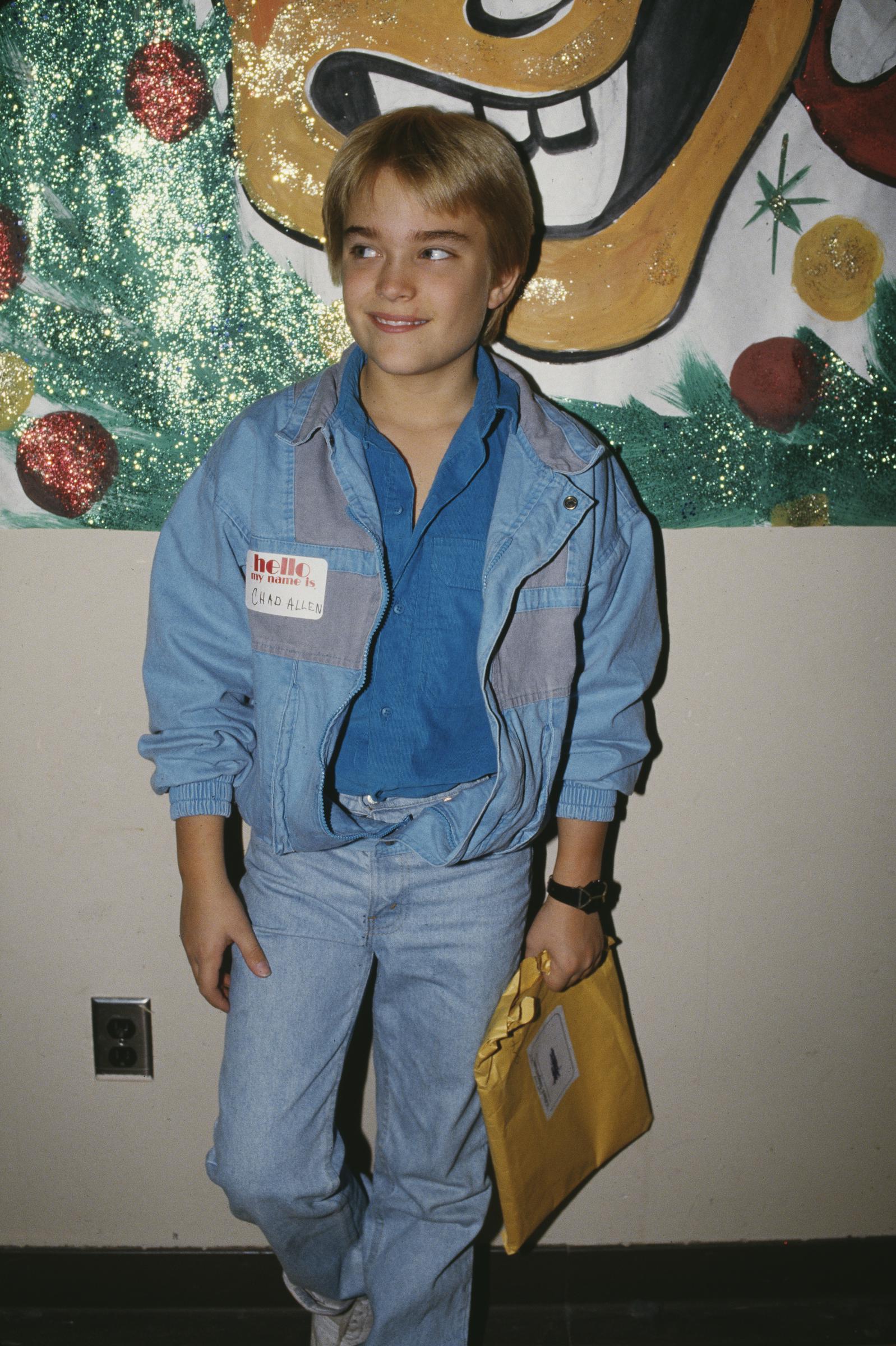
Reflecting on his experiences, the actor noted, "I was a child actor but never a child star, except, of course, in my own mind. I was happiest when performing." However, acting came at a significant price. Growing up on set left little room for typical childhood experiences, as he missed out on playground friendships and carefree days.
Although his career launched early, he later acknowledged that the industry can be unpredictable and overwhelming for children. For this reason, he expressed that he would never want his own children to experience that environment, where it’s nearly impossible to simply be a kid among peers.
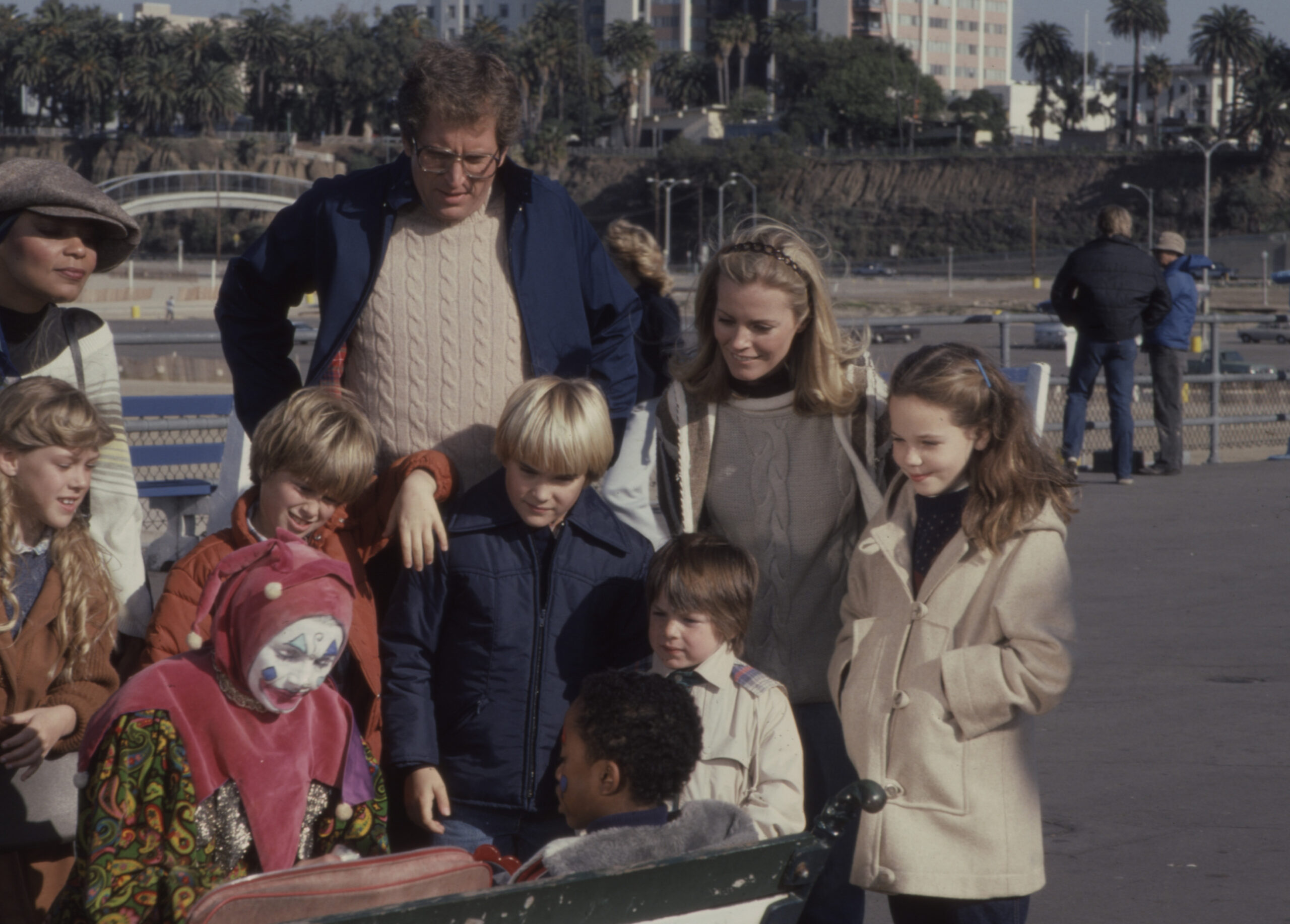
Behind the Scenes: A Carefully Crafted Image
As his fame escalated, so did the surrounding machinery — publicists, photoshoots, interviews, and fan letters. The actor became the charming, clean-cut heartthrob that everyone adored.
Yet, behind that polished facade, he found himself questioning who the person on the magazine covers really was. "He was very well put together, and I wanted to get to know him," the actor revealed.
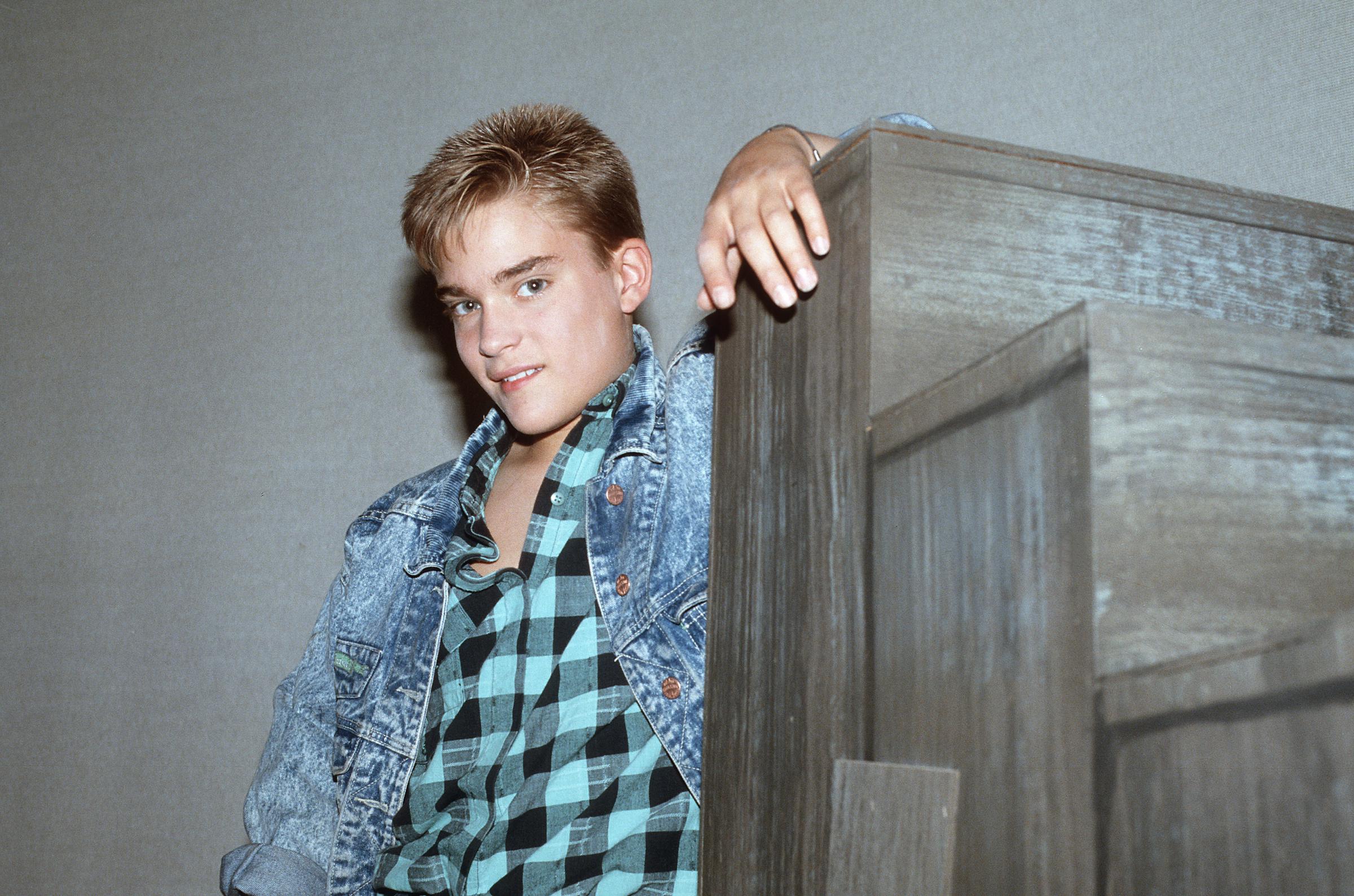
Much of that persona was carefully curated by others. Growing up in a strict Catholic household while spending most of his youth on set, he eventually yearned for a sense of normalcy. At 16, he made the choice to step back from acting and focus on his high school education.
"I wanted to play sports, date, and do all those things. But I made the mistake of joining the drama department, which was basically for the outcasts, the gay kids, very uncool," he recalled.
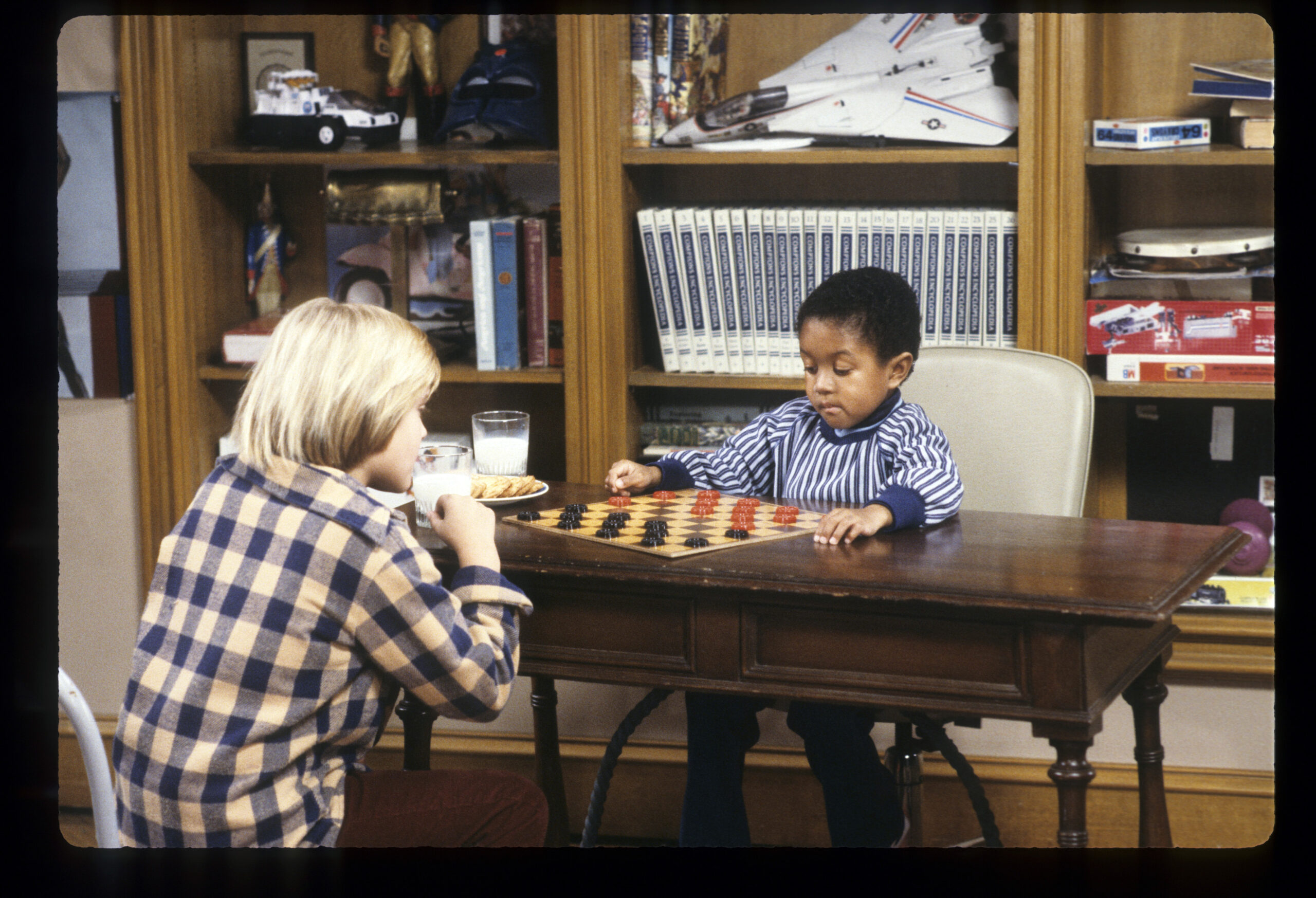
In the theater program, he rediscovered his passion for performance. Although he hesitated to identify himself as an actor once more, he was drawn to the sense of belonging and artistic freedom that theater provided. "I found that I liked the theater world, which was so different from being a teen star," he noted.
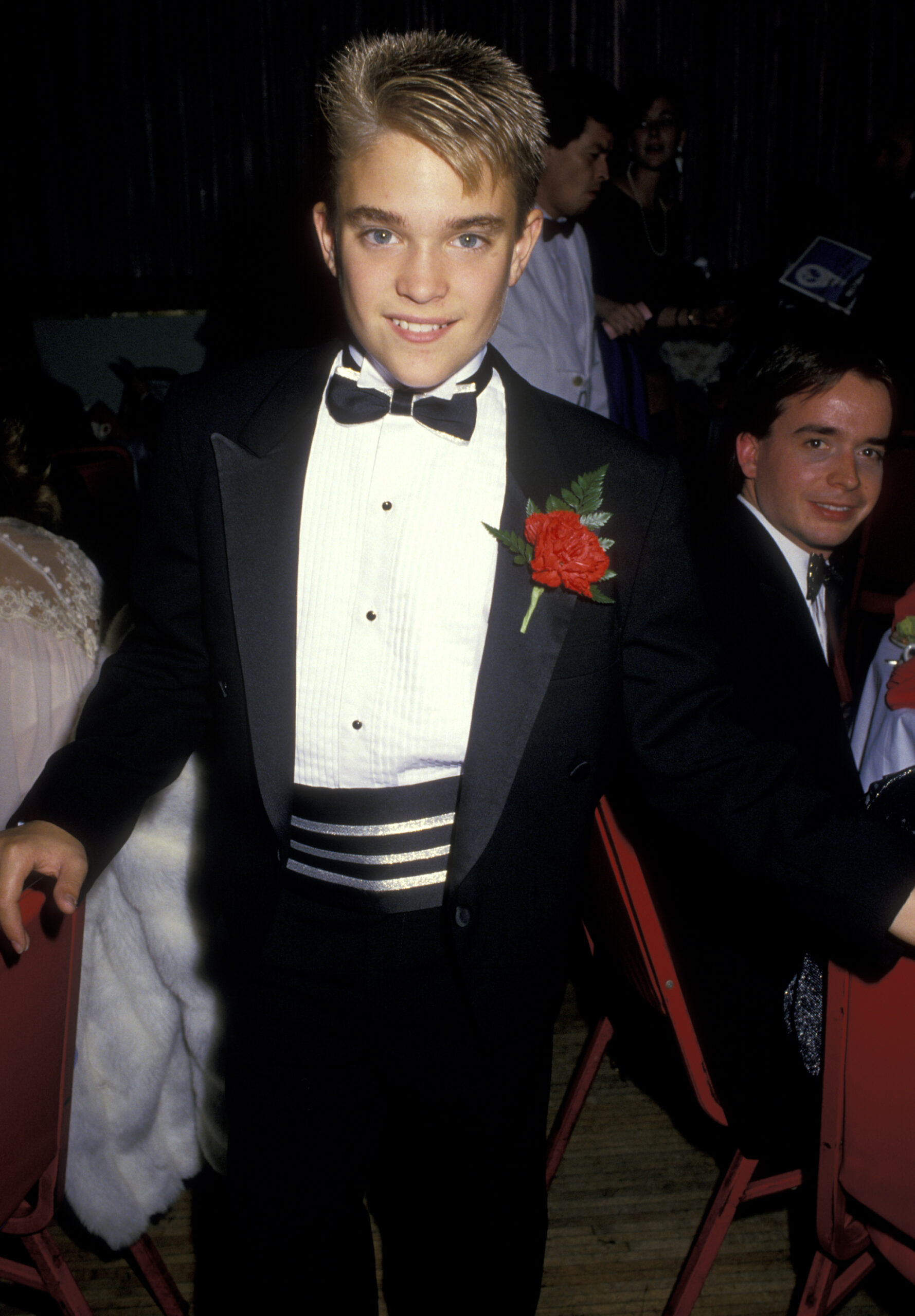
Faith, Addiction, and the Desire to Help
The Catholic environment of his upbringing, combined with 12 years in Catholic school, instilled in him a strong sense of faith, discipline, and community. However, it was through confronting his struggles with addiction that he found a deeper meaning in helping others.
During his recovery, he discovered that aiding others was not only fulfilling but vital to his healing process. His commitment to being helpful became a key element of his sobriety. This sense of purpose ultimately enabled him to rebuild his life and maintain his sobriety.
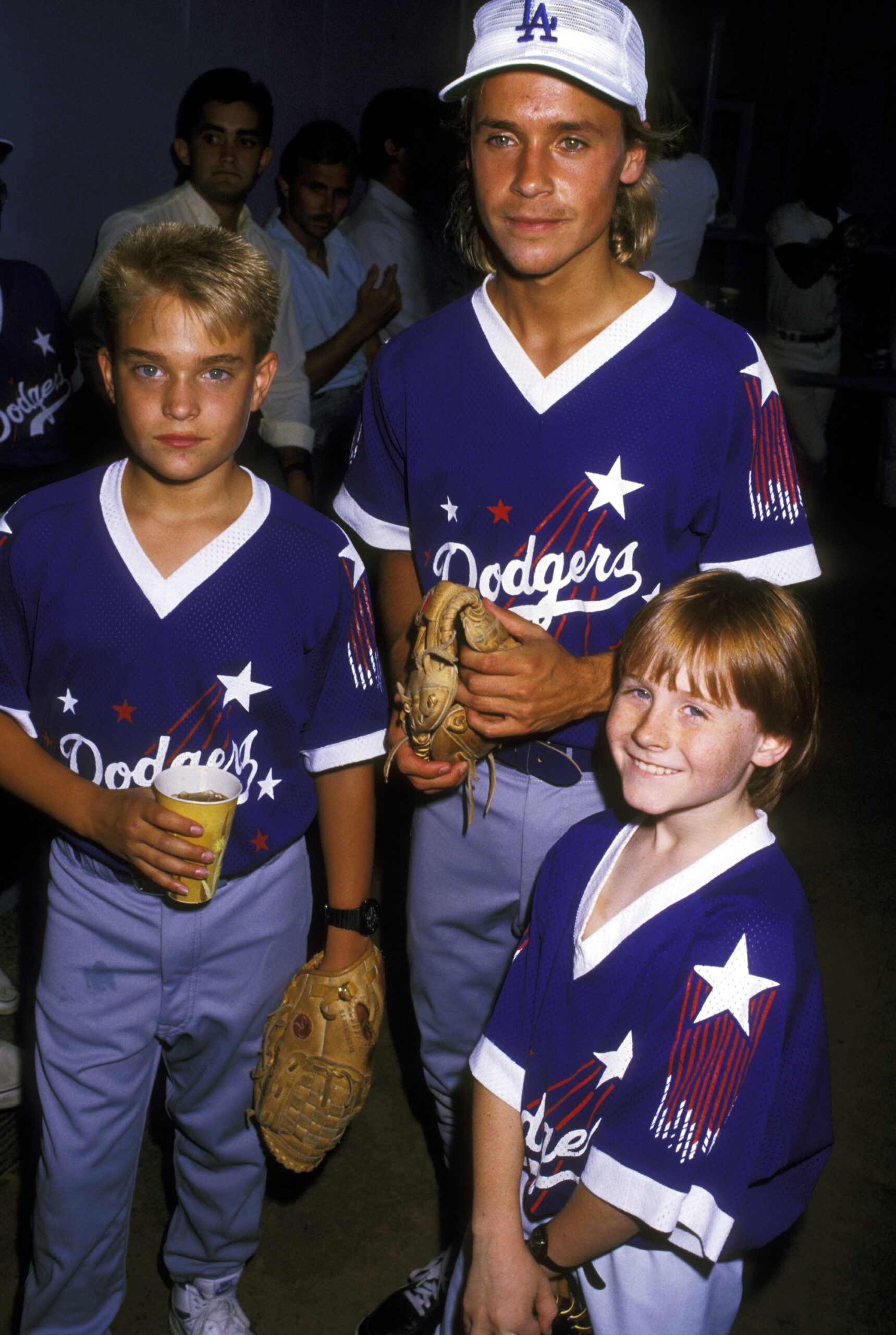
Despite his Catholic background, his relationship with religion became more complex over time. He described himself as deeply spiritual rather than strictly religious.
He shared that while his faith in God started early, his experiences with the Church led him to question its teachings. This initiated a lifelong quest for spiritual truth, prompting him to explore Buddhism, Hindu philosophy, and Native American beliefs.
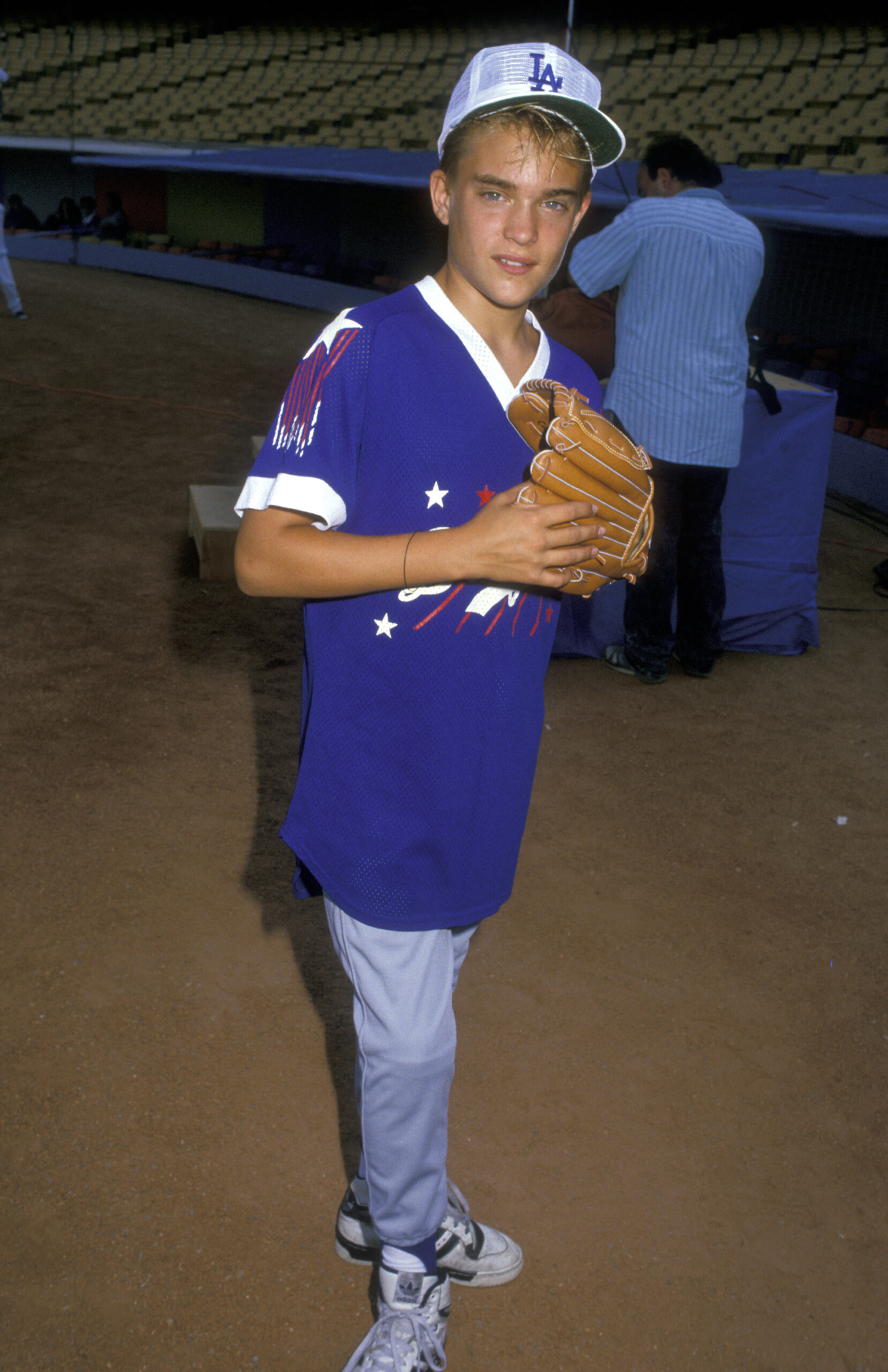
Ultimately, he developed a personal spirituality that emphasizes love and unity. "My greatest hope is that when we die, we experience God and release all judgments and preconceived notions of separation. Anything associated with fear or judgment cannot be of God," he expressed.
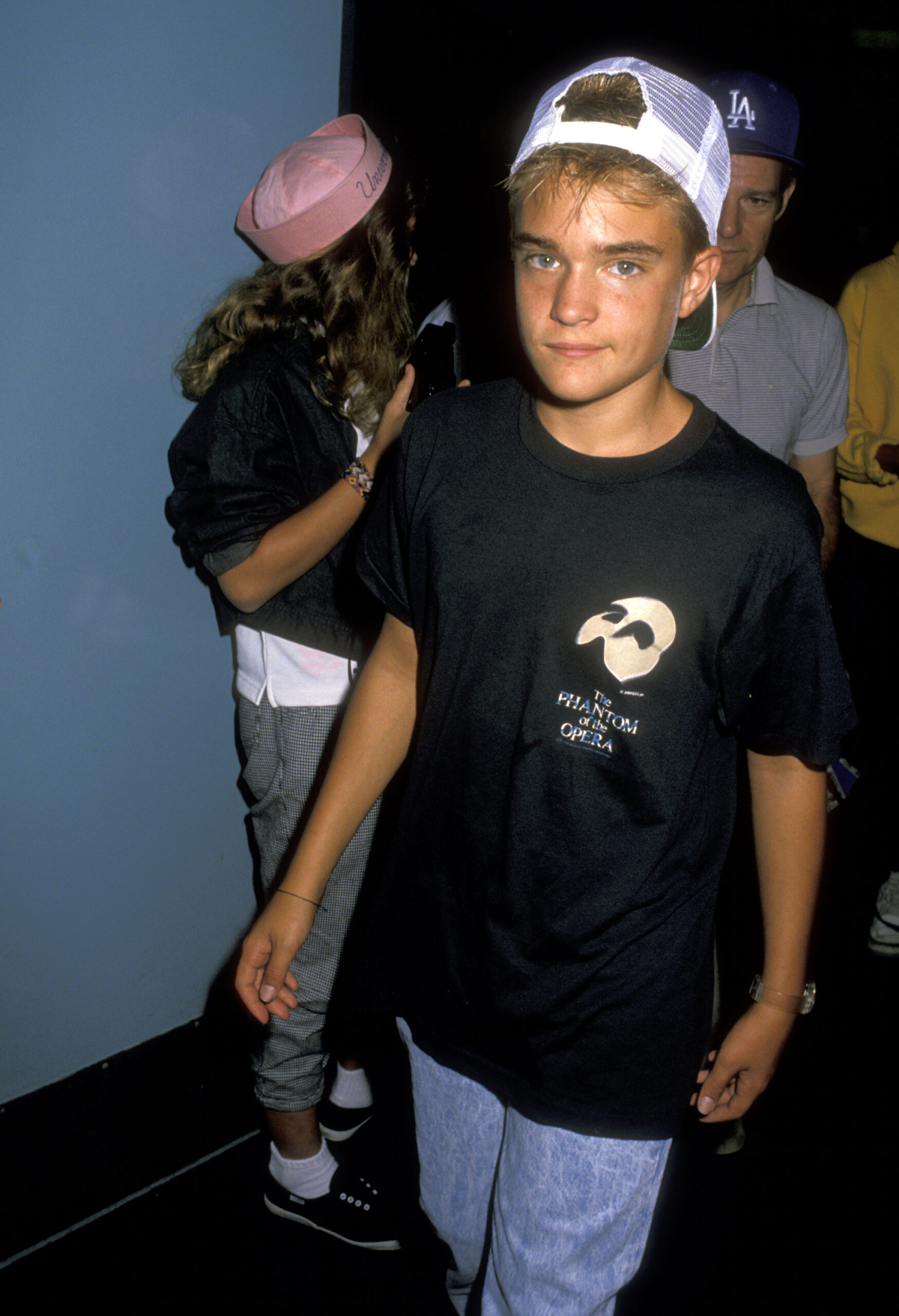
From Teen Idol to Self-Sufficient Actor
The actor discussed in this piece is Chad Allen, and he takes pride in his current position. He remarked feeling satisfied with his life, having achieved sobriety. Allen also made a return to acting after his child star years.
He featured in several independent films, including a role as a drug addict in ‘Downtown.’ This version of Allen was far removed from the teen idol whose face filled numerous glossy magazines in the ’80s.
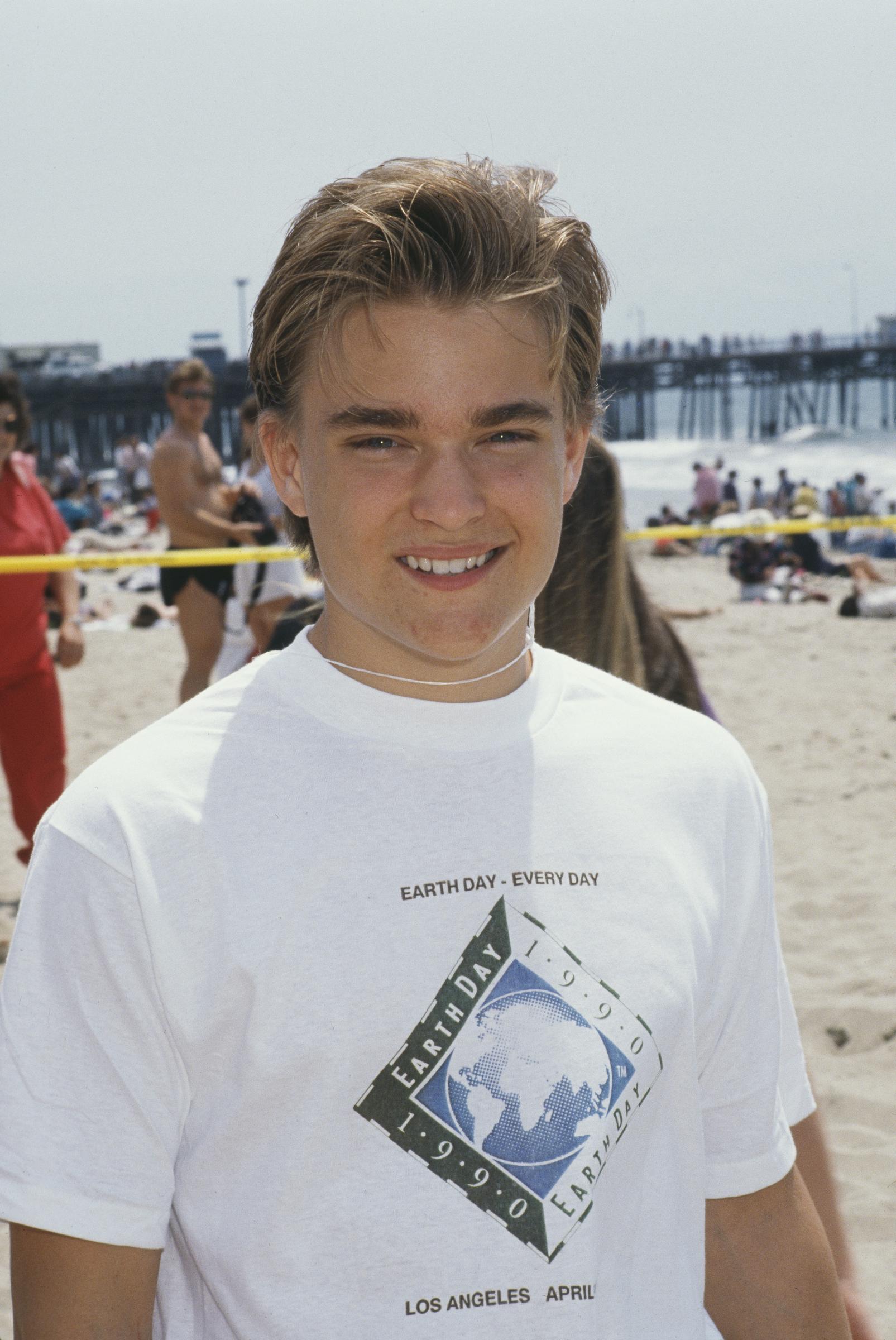
He became deeply involved in live theater and supported emerging theater companies in Los Angeles and New York. The man he had become was not the same Allen who, in his early twenties, battled substance abuse.
A Friend’s Ultimatum and the Path to Sobriety
In his younger years, the actor garnered a reputation for his reckless lifestyle, often linked to drugs and late-night parties. Allen described himself as someone who constantly pushed limits, seeking to amplify every sensation and experience.
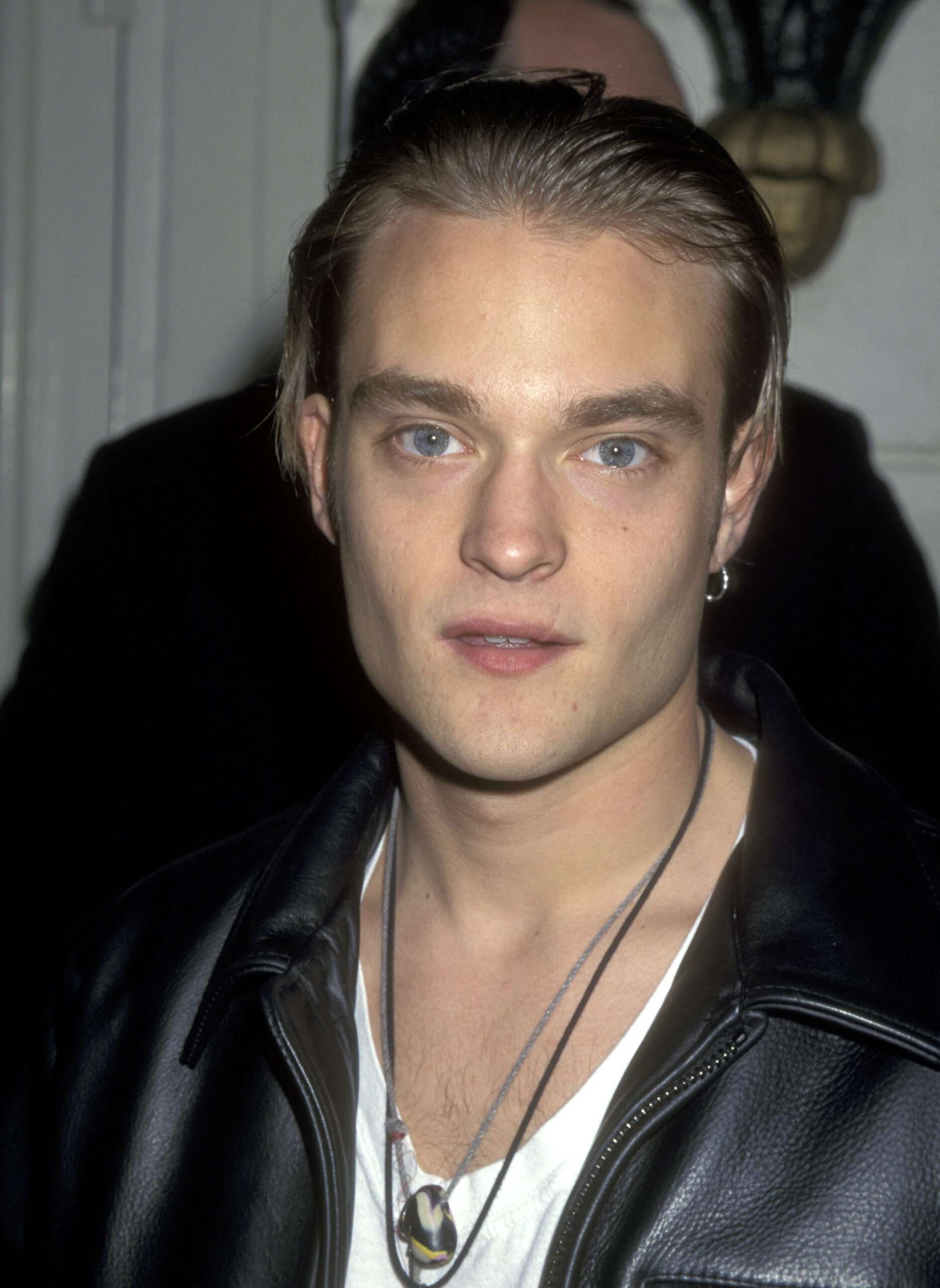
This quest led him through the rave and underground scenes in New York and Los Angeles, as well as the circuit party culture popular within the gay community during that era.
"Ultimately, I was isolated, unable to stop drinking, and it wasn’t a pleasant situation. It was just Chad alone in a Malibu condo with no one else around, facing the brink of death," he recounted.
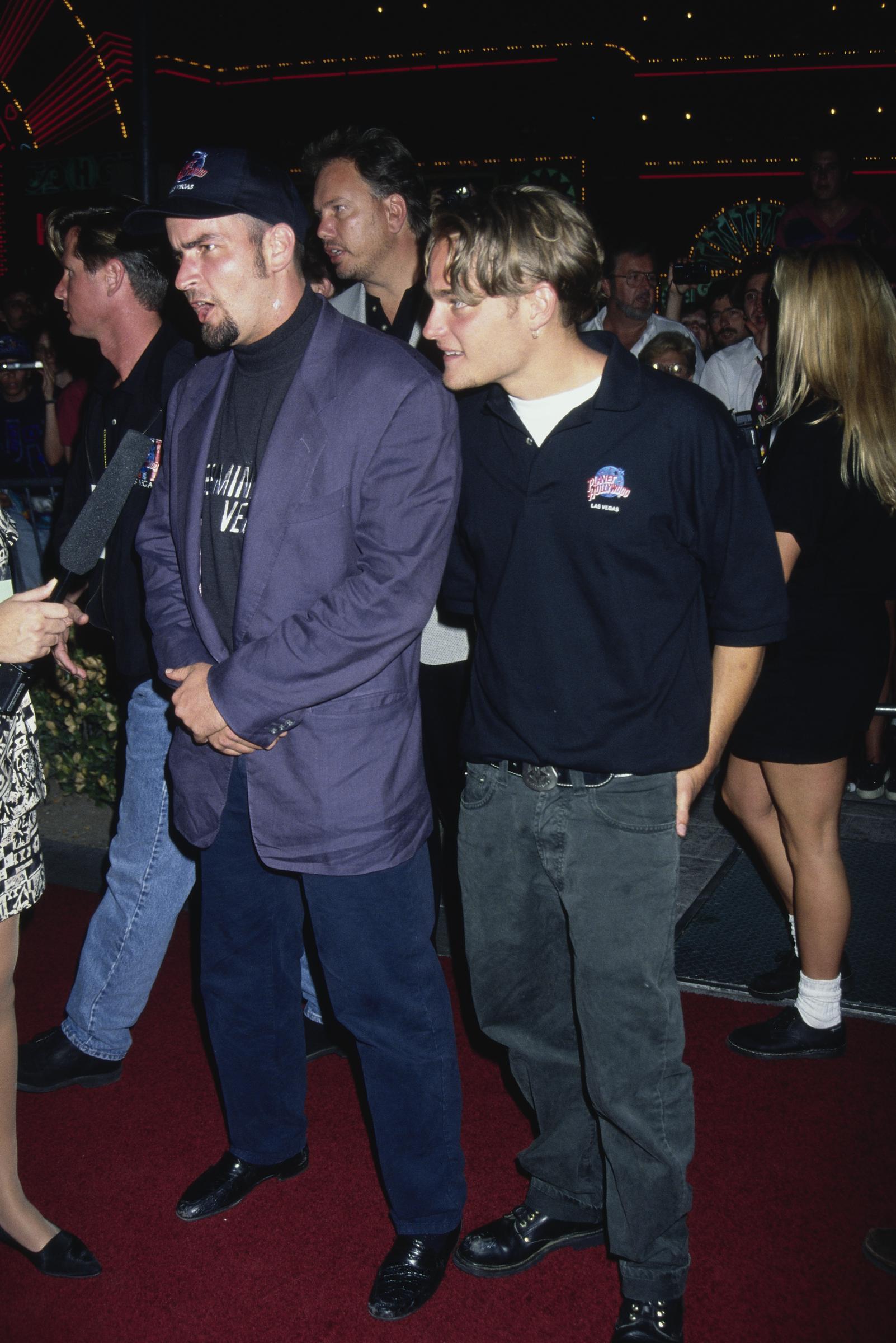
Eventually, a close friend, Heather Tom, chose to distance herself from him. Tom refused to watch Allen spiral downward, which served as a wake-up call for him to recognize what he stood to lose. "When she stepped away, I realized I was losing my family," Allen reflected.
Tom’s decision prompted him to enroll in an intensive recovery program. Years later, he continues to actively pursue his sobriety journey, grateful for the second chance it afforded him.
Outed and Betrayed
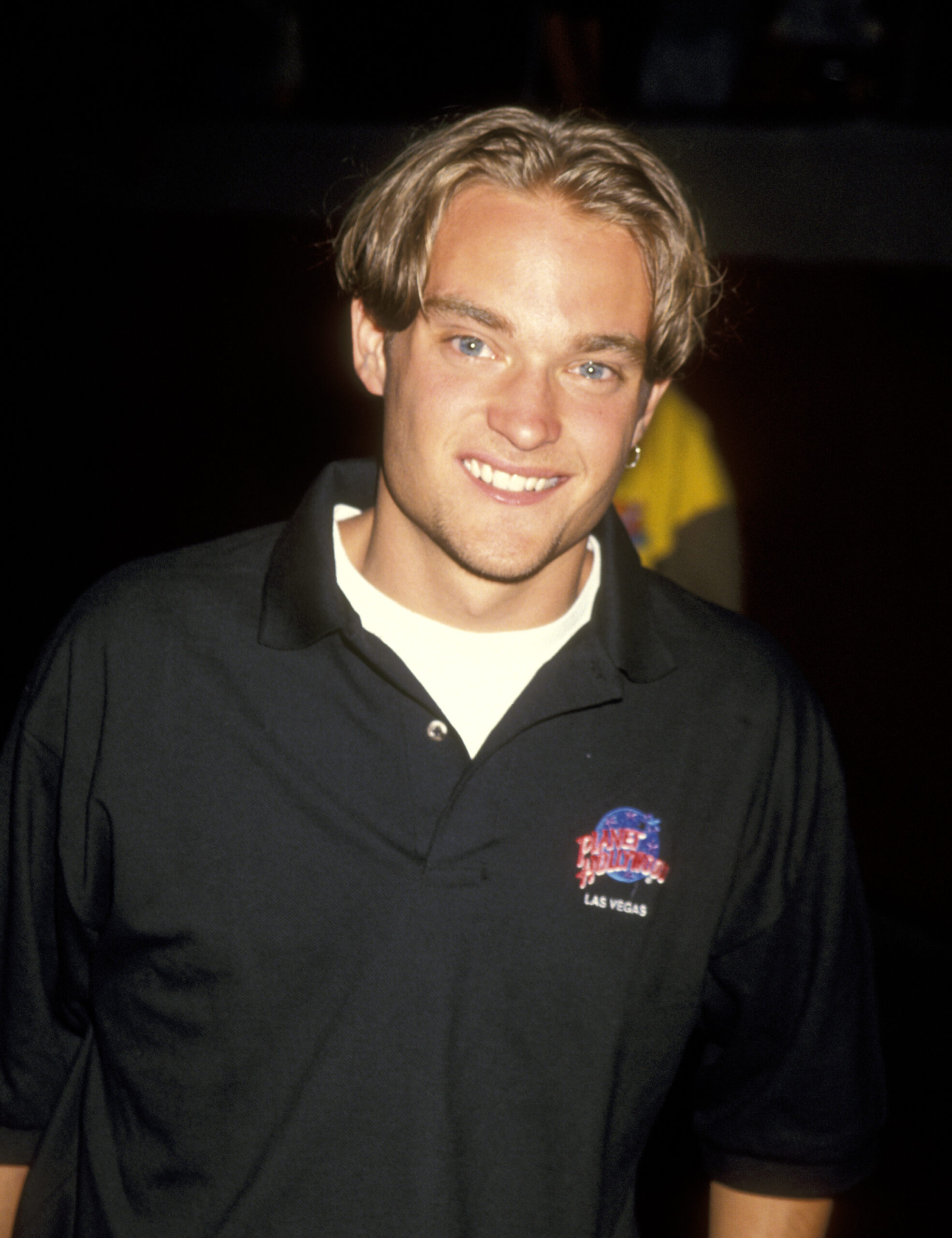
Allen also faced challenges regarding his sexuality. At 21, while working on a family-friendly TV show, he was unexpectedly outed as a gay man under extraordinary circumstances. A partner he was dating sold photos of them kissing in a swimming pool to a tabloid.
The magazine intended to publish the images alongside fabricated claims, including accusations of his involvement with a prostitute. Consequently, Allen faced intense public scrutiny at a young age. "So I was terrified. Just scared," he admitted.
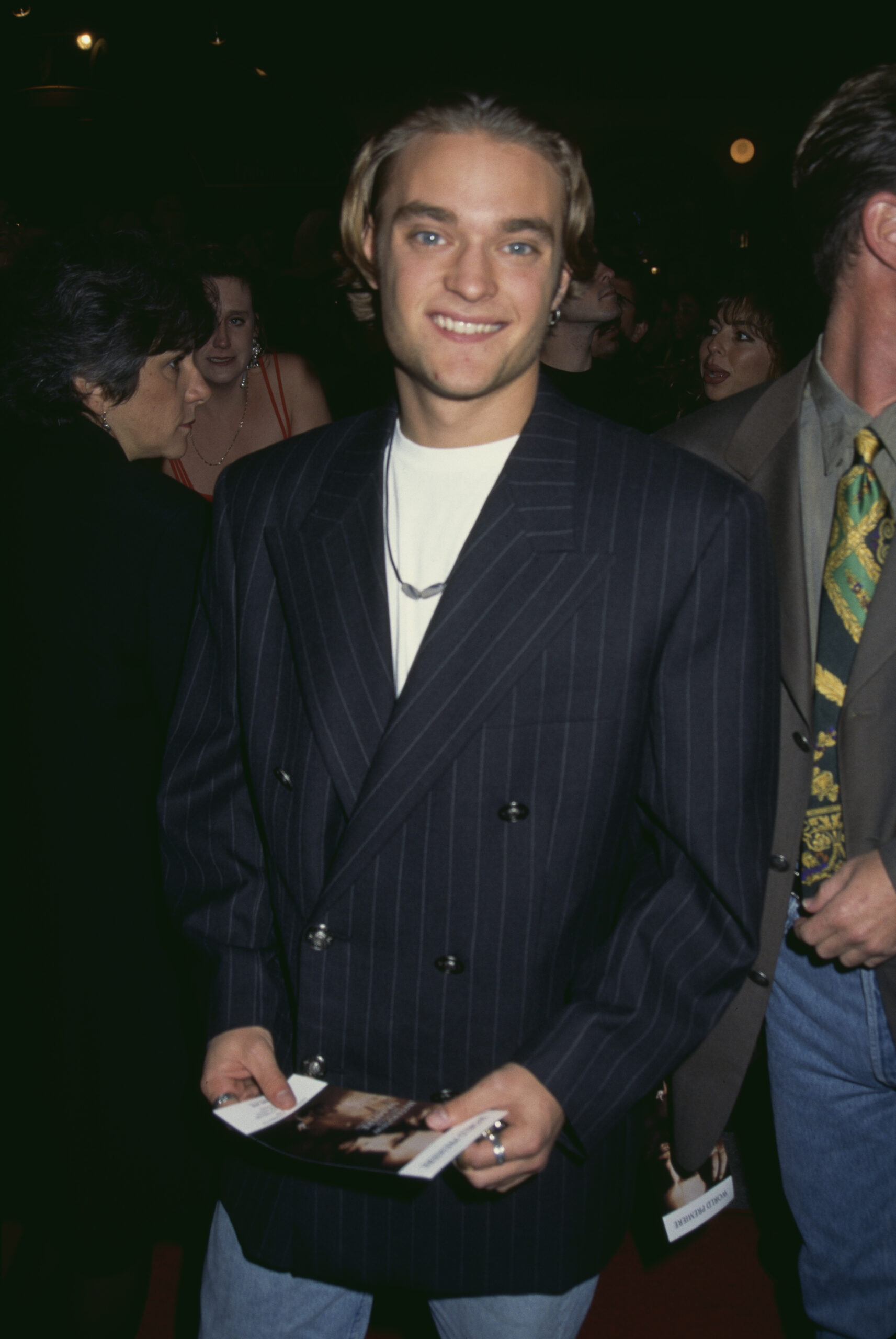
Suddenly, he found himself surrounded by lawyers, agents, managers, and network publicists, all debating how to manage the public revelation of his sexuality. In his early twenties, he felt trapped, unable to openly express who he was.
Allen did not want to appear on magazine covers, but he also refused to lie about himself. While others pushed for a specific public stance, he resisted being part of anyone’s agenda, insisting on remaining true to himself.
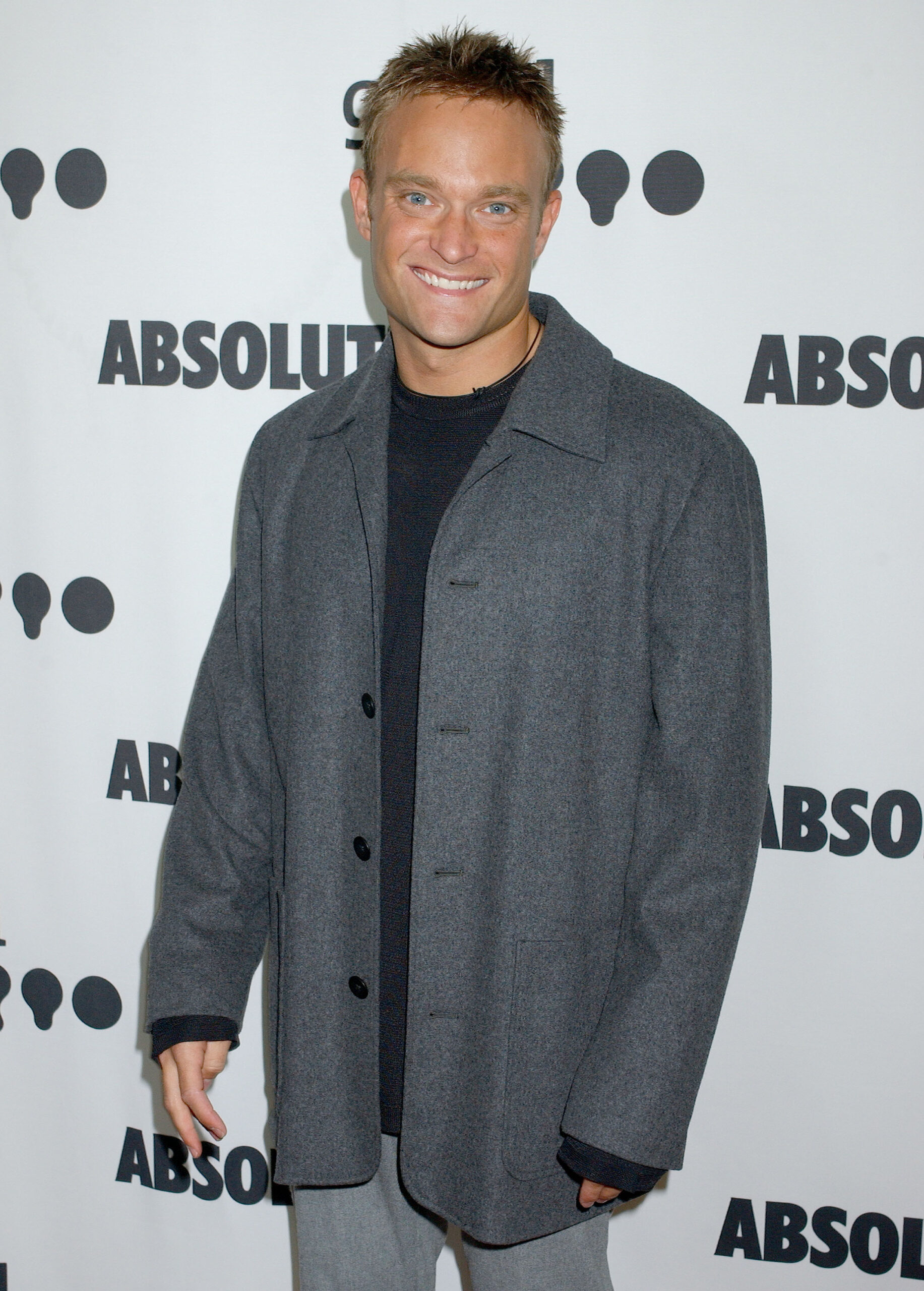
Amidst the pressure, his primary concern shifted to his family — especially his mother — while his father’s opinion mattered less at that moment. He eventually had to confront his parents in person. In that conversation, he provided a detailed account of what had transpired and what was about to be revealed.
His mother, unsure how to respond, attempted to cry and then remarked that she had always thought he was too charming not to have a girlfriend. Initially, Allen’s father struggled to accept his sexuality and rejected him, adding another layer to his personal journey.
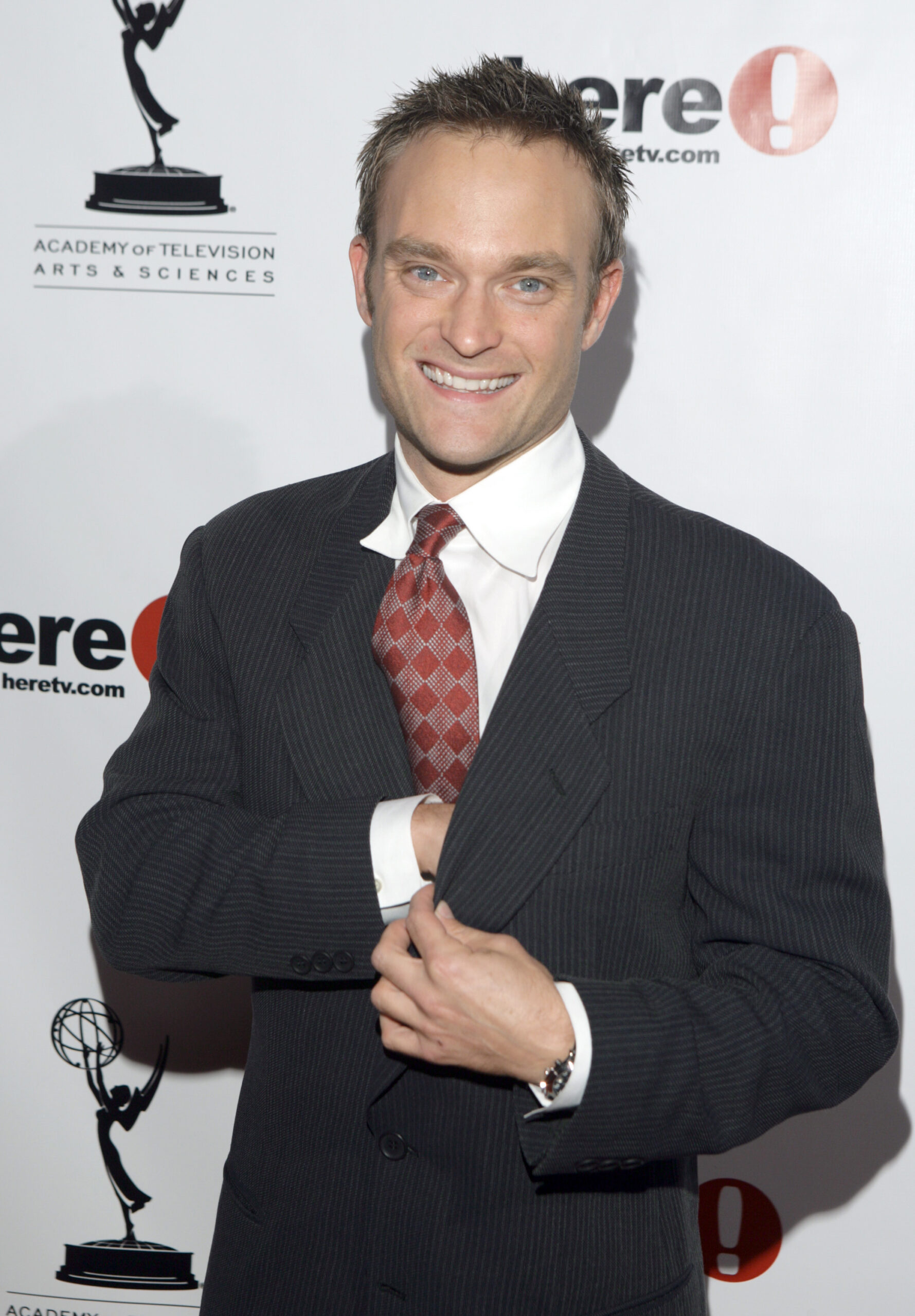
"My dad couldn’t make eye contact with me. That hurt. Because a son always seeks his father’s approval. I knew I had been deceiving them. What’s remarkable is that I’m even able to talk about my parents now. For a long time, that wouldn’t have been possible," Allen explained.
Ultimately, their relationship improved. "It took a long time before my dad could look me directly in the eyes again. I desperately wanted his approval, and I feared I might never receive it," Allen shared.
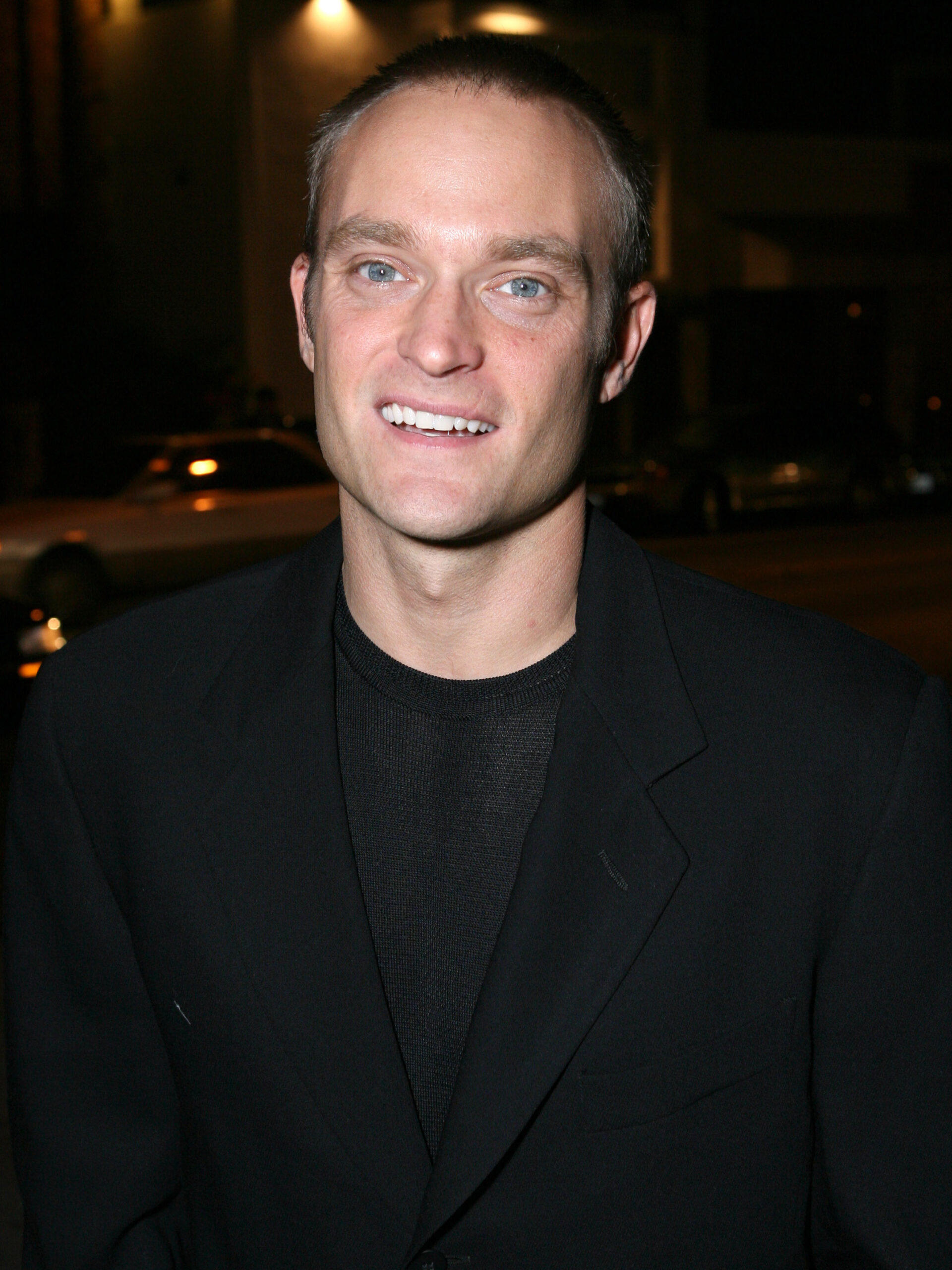
Messages of Hope from Strangers
Regarding the tabloid’s claims, the photo depicted him with another man in the pool. However, the additional allegations, including supposed involvement with a prostitute, were entirely false.
The article could not explicitly use the term "homosexual," yet a candid photo of him kissing another man in real life — unrelated to any film or television project — was sufficient to spark speculation and public discourse.
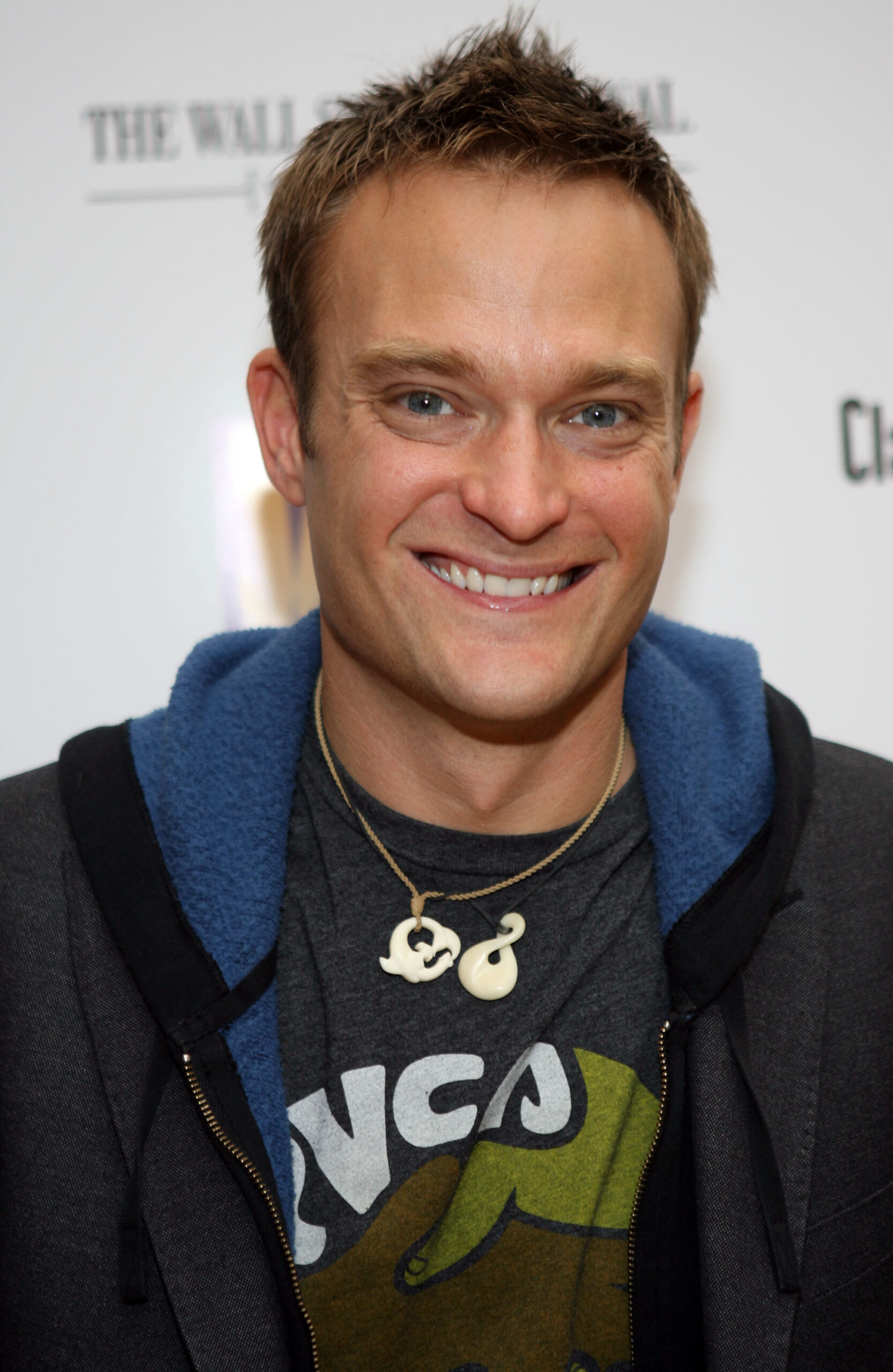
This attention had an unexpected effect. Letters began arriving from LGBTQ individuals expressing gratitude. They conveyed how significant it was for them to see someone like him in a prominent position.
For the first time, Allen started responding to fan mail personally. Many letters came from young people seeking role models who could reassure them that they were accepted and not alone.
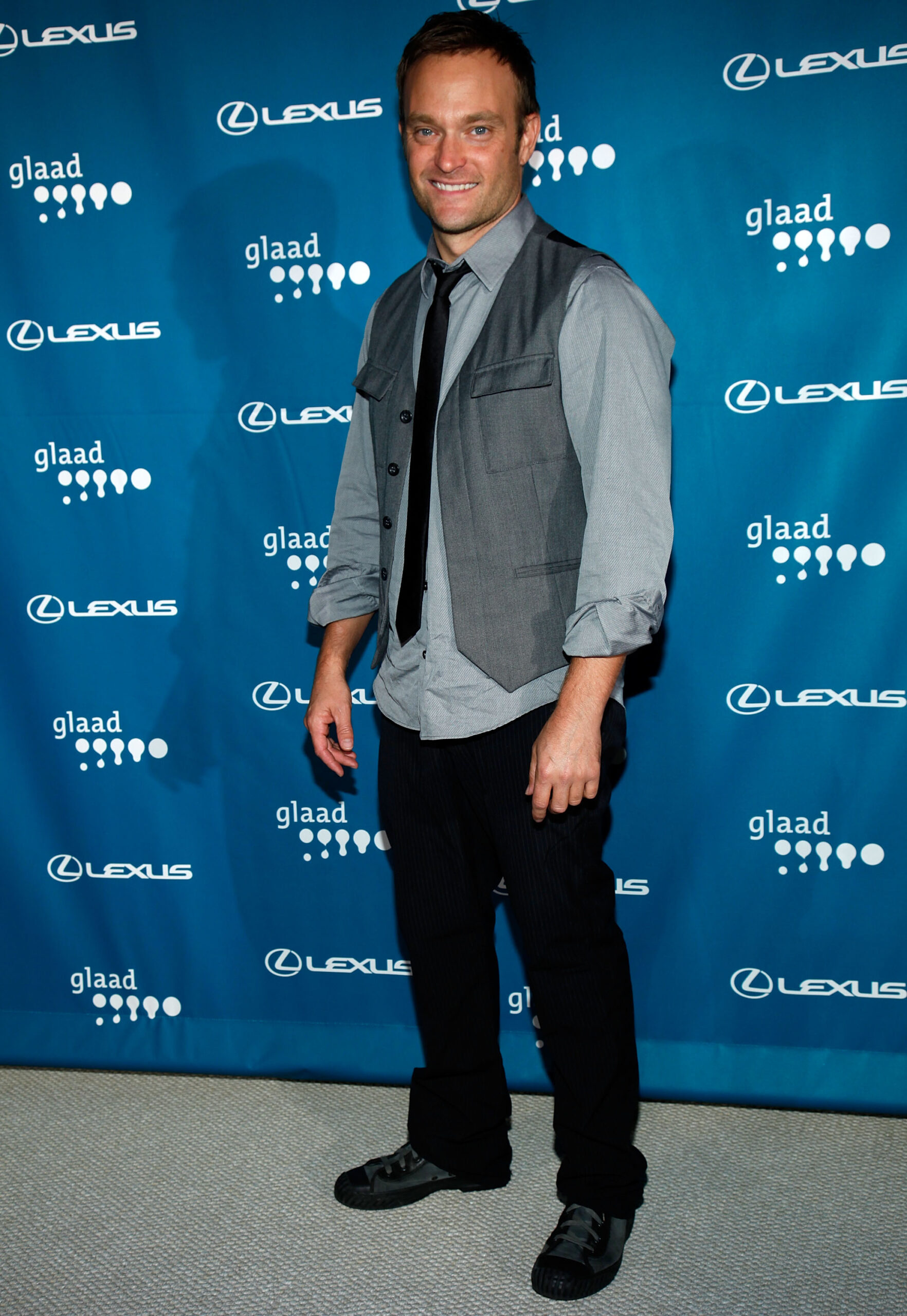
He took the time to handwrite replies, a practice he had never done before, and the experience turned out to be profoundly meaningful.
"It actually helped me, all the pressure I was facing to identify myself. It meant so much to realize I wasn’t alone in this journey. After all, what is love? There’s so much stigma attached, but at the end of the day, it’s just love. I’ll embrace it, however it comes," Allen stated.
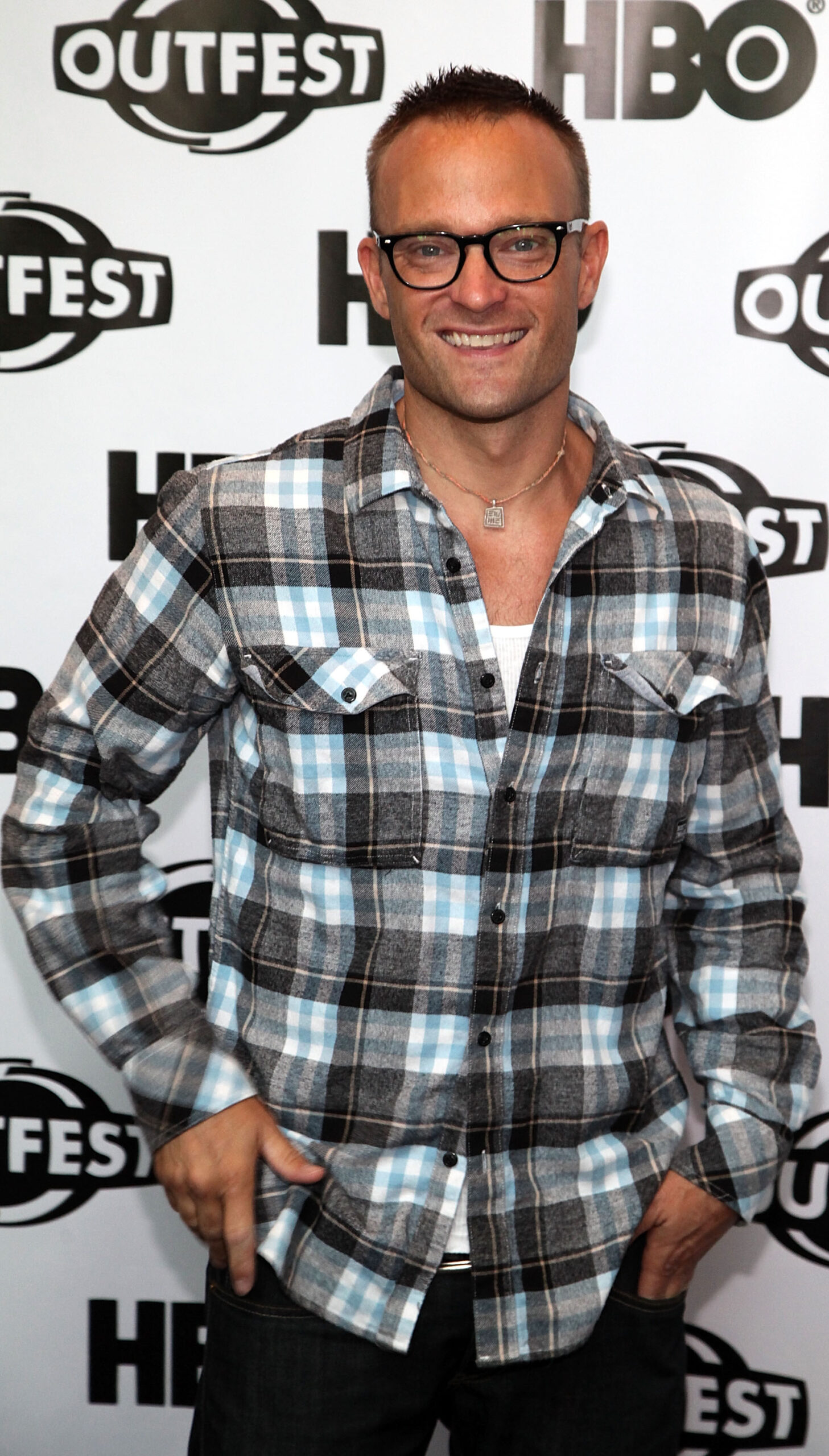
Furthermore, Allen never felt like he was hiding or being dishonest about his sexuality. "There were certainly many people in my life who didn’t know I was gay, as they never cared to inquire or weren’t close enough, but many others were already aware," he explained.
It was easy for others to assume, given the timing of his public coming out and the roles he undertook, that he had spent years concealing his truth. "But I never felt that there was a point in my life or career where I was being dishonest or hiding. I lived my life exactly as I knew I should. I went out, had fun, and was open," he shared.
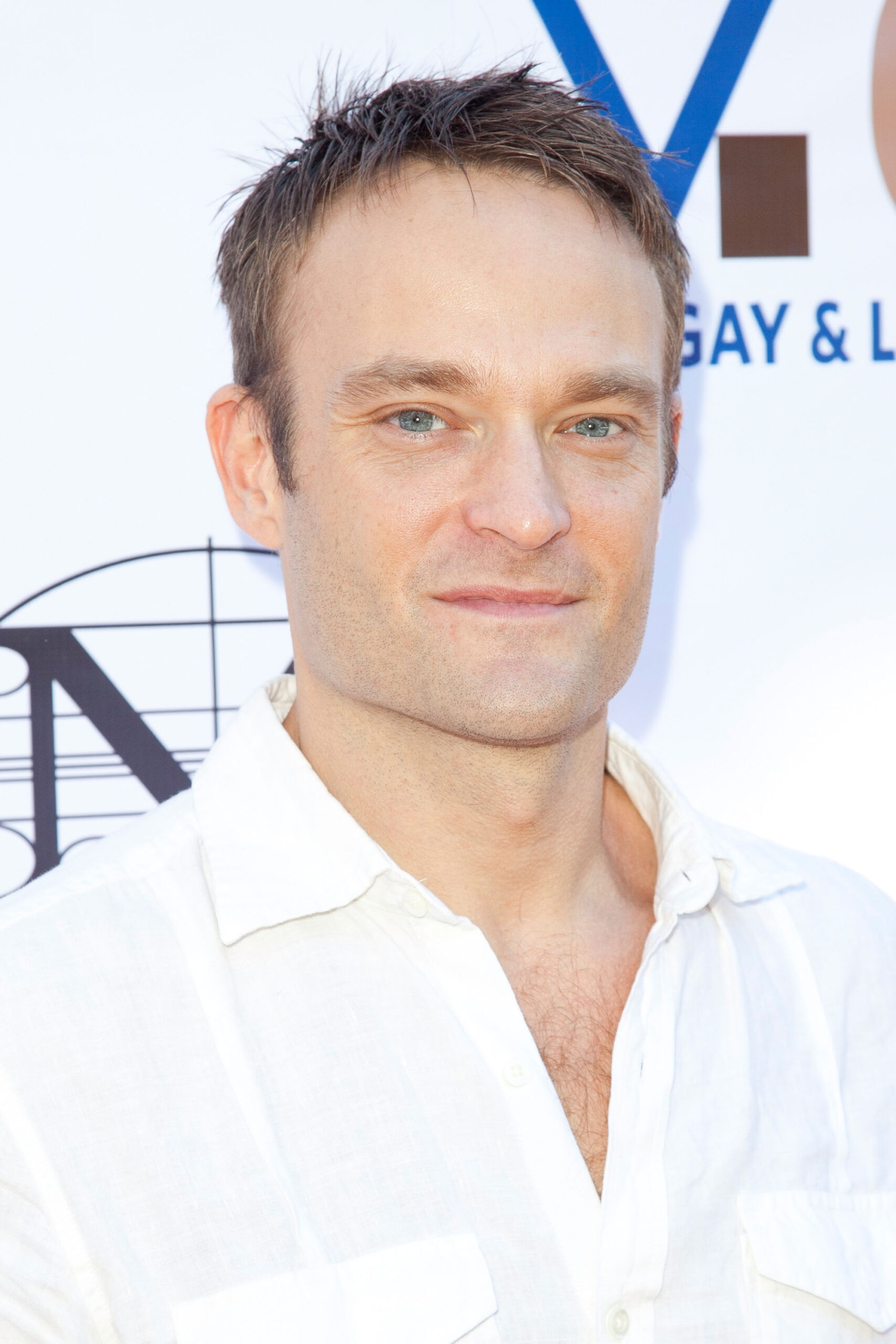
Before 1996, the entertainment industry’s publicity machine had crafted an image of Allen as "every teenage girl’s dream." Consequently, he feared that coming out might jeopardize his acting career, noting that many still believe being an openly gay actor can hinder opportunities.
"I don’t see it that way anymore, or I wouldn’t be having this conversation. You must understand that acting has always meant more to me — and still does — than anything else. I love it," the actor emphasized.
A New Identity, A New Purpose
Before stepping back from acting, Allen appeared alongside notable stars like Jane Seymour in ‘Dr. Quinn, Medicine Woman’ and Shannen Doherty in ‘Our House.’
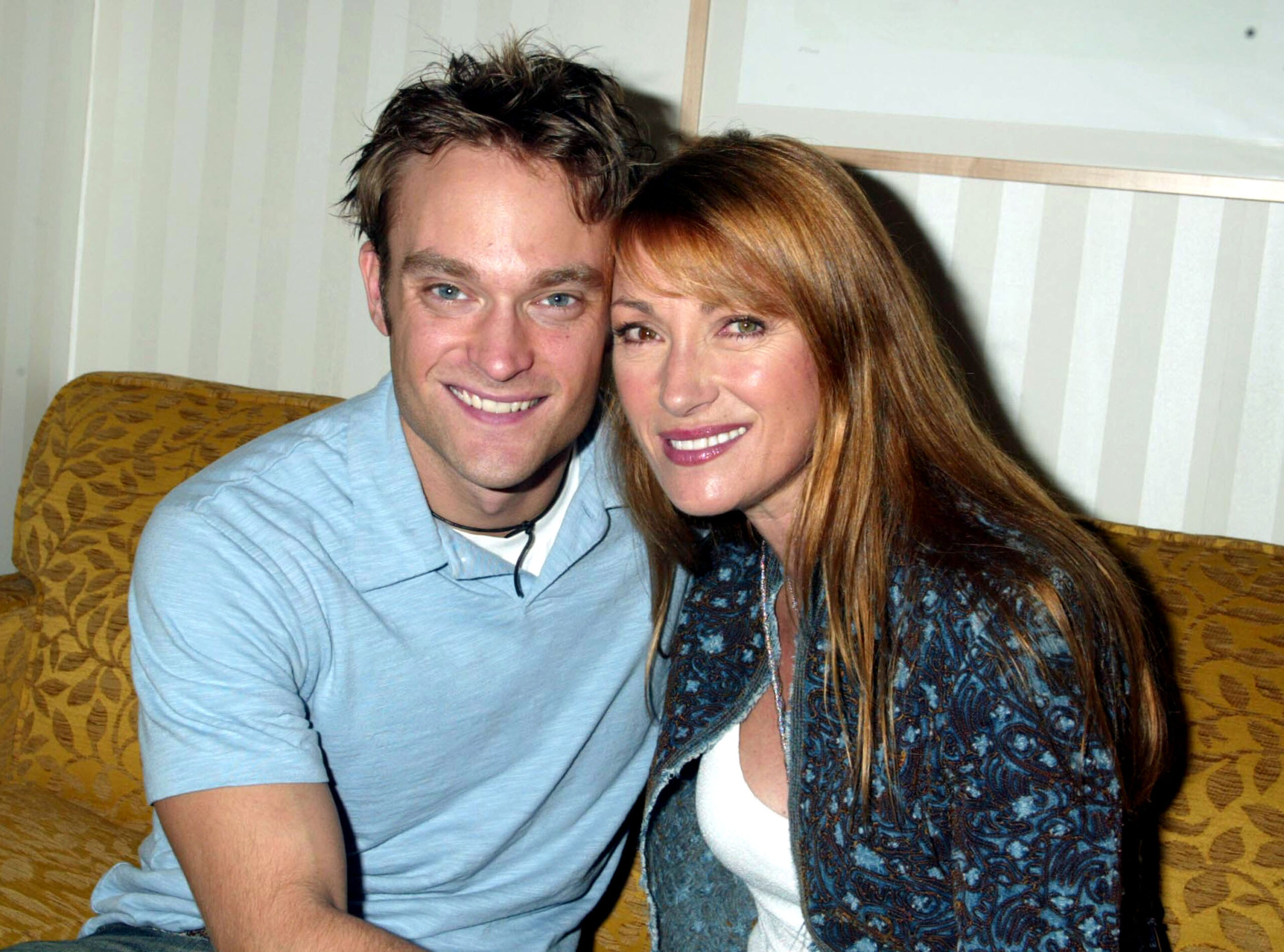
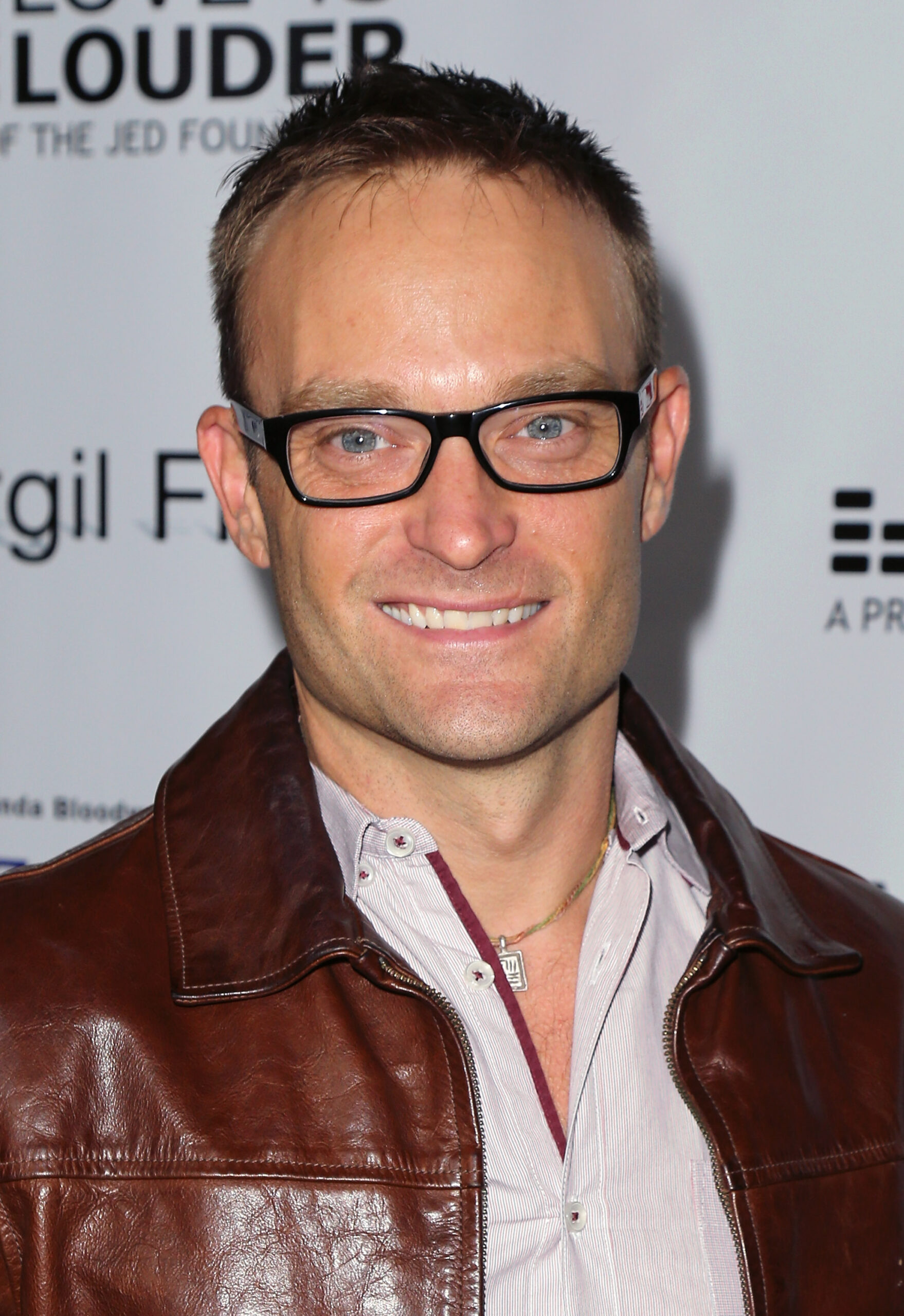
Currently, Chad Allen has ventured into a career that is quite distant from the entertainment world. He serves as a part-time staff psychologist at Williams College and previously worked as the clinical director at Path at Stone Summit. In 2020, he earned his Doctor of Psychology in Clinical Psychology from Antioch University New England.
He also runs a private practice called Confluence Psychotherapy, named after the point where two rivers converge. Allen considers it a space where what was once separate comes together to become richer and more powerful. He specializes in assisting older teens and adults from diverse backgrounds in overcoming trauma of all kinds.
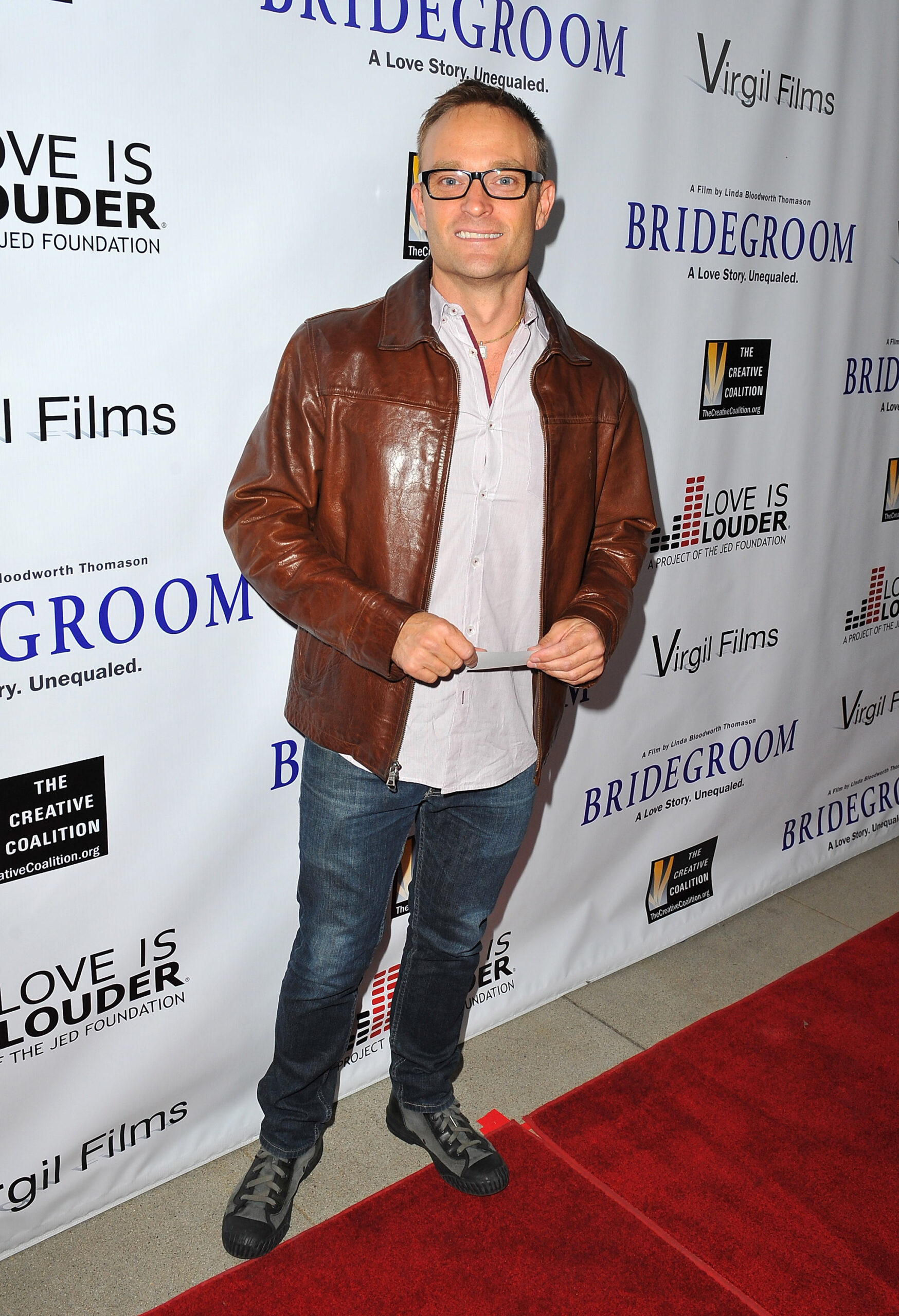
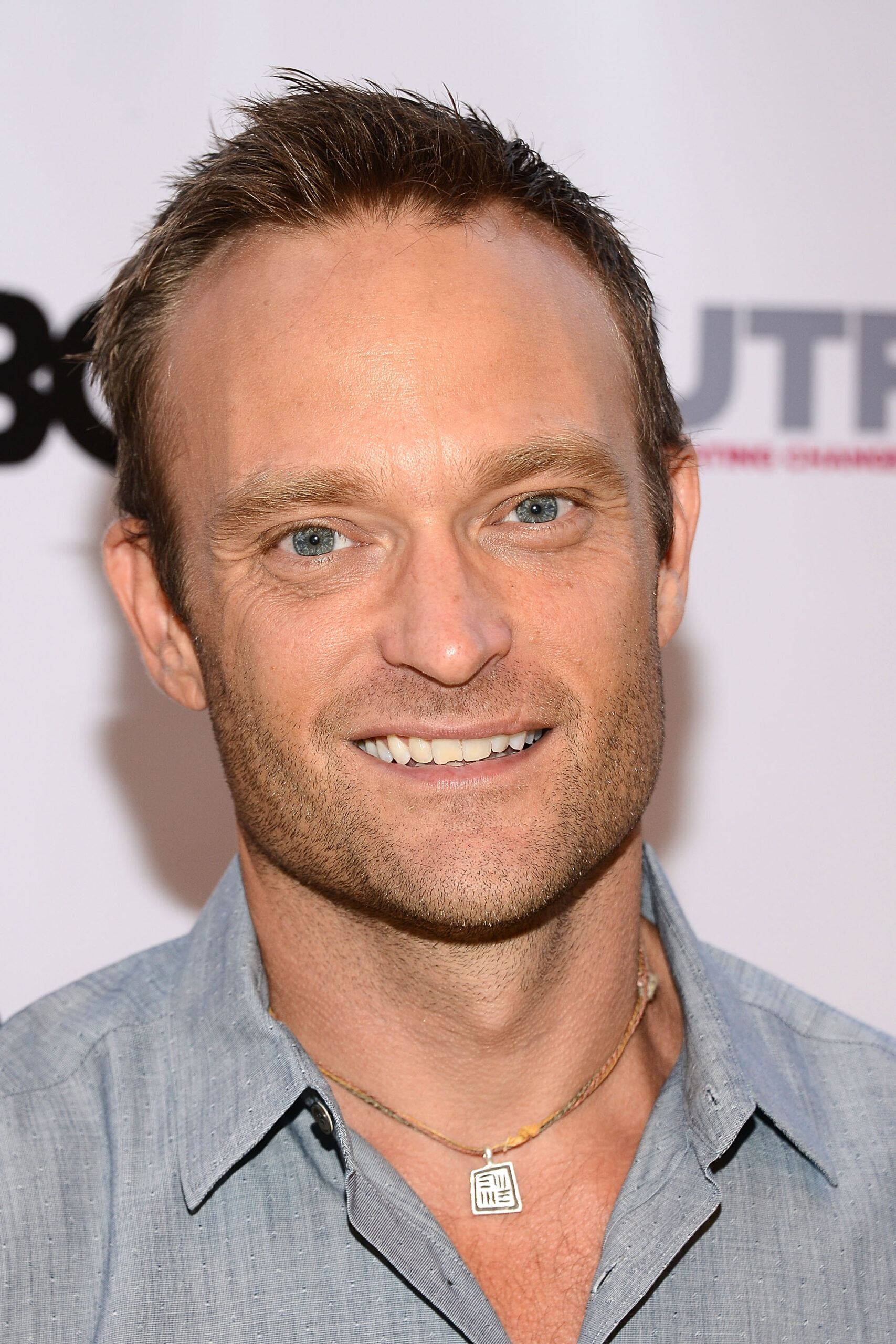
After navigating challenges like substance abuse, the pressures of being a child star, and the public scrutiny regarding his sexuality, Allen has established a solid foundation that is far removed from the hustle and turmoil of Hollywood.
Today, he leads a balanced life grounded in his work as a psychologist, pursuing his passions and finding fulfillment and stability outside of the limelight.